



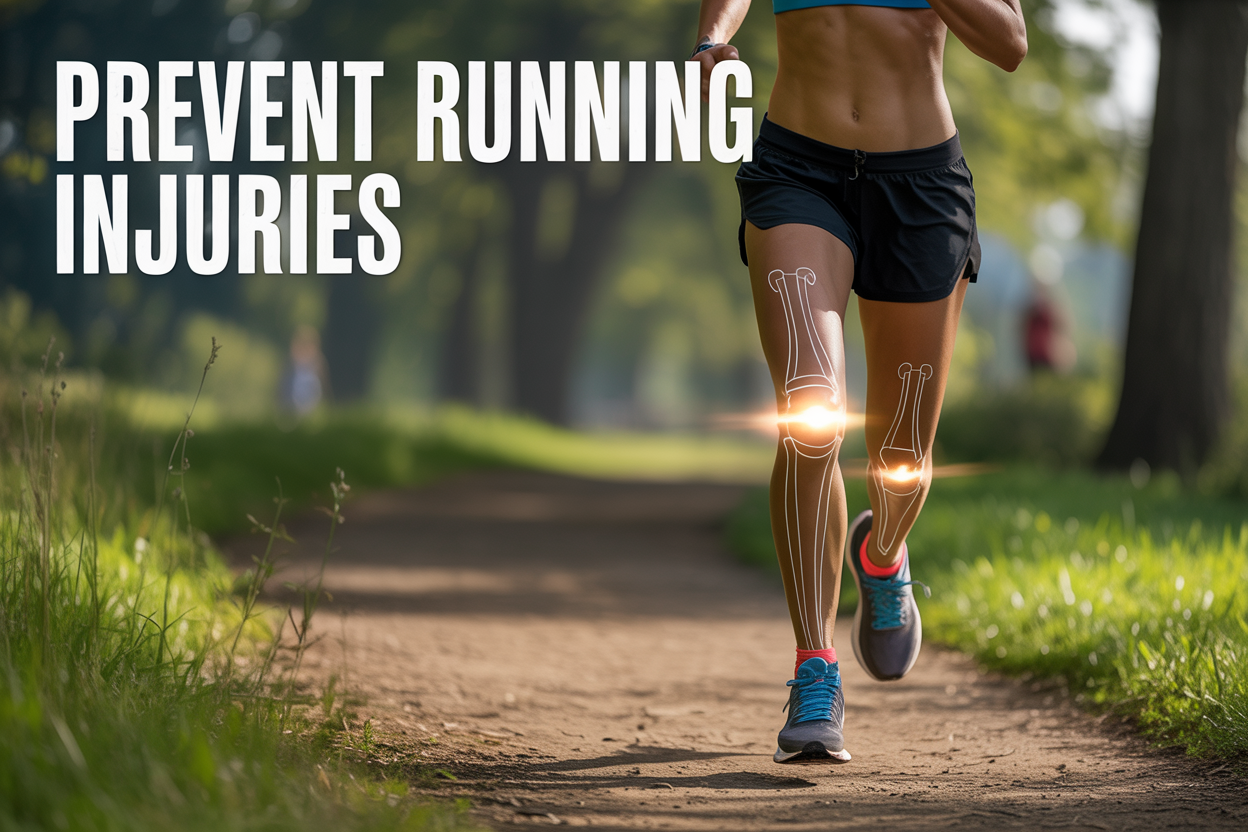
7 Running Injuries You Can Prevent Before They Start
Most running injuries don’t come out of nowhere. They build up quietly — through skipped warm-ups, worn-out shoes, or doing too much too soon. By the time your knee is screaming or your heel hurts with every step, the damage is already done.
This guide is for runners of all levels — beginners just logging their first miles and seasoned athletes pushing for a new PR — who want to stay on the road longer and avoid the cycle of training, getting hurt, and starting over.
You’ll get a clear breakdown of seven common running injuries, including runner’s knee, IT band syndrome, and plantar fasciitis. For each one, you’ll learn what actually causes it, how to spot the early warning signs, and the specific steps you can take for running injury prevention before a small ache turns into weeks off your feet.
No fluff, no vague advice like “just stretch more.” Just practical, injury-free running tips you can start using on your next run.
Table of Contents
Runner’s Knee: Stop the Pain Before It Sidelines You

Identify the Early Warning Signs of Runner’s Knee
Catching runner’s knee early makes all the difference. Watch for these red flags:
- Dull aching pain around or behind the kneecap
- Discomfort when going downstairs or sitting for long periods
- Swelling or a grinding sensation around the knee joint
- Pain that worsens during downhill running
If you notice any of these, dial back your mileage immediately.
Strengthen Your Quads to Protect Your Kneecap
Weak quads are a primary driver of runner’s knee. Strong quadriceps keep your kneecap tracking properly, reducing painful friction.
Key exercises:
- Wall sits – Hold 30–60 seconds, 3 sets
- Terminal knee extensions – Great for targeted quad activation
- Step-downs – Slowly lower one foot off a step, 3 sets of 12
Choose the Right Footwear to Reduce Knee Strain
Worn-out or poorly fitted shoes shift stress directly to your knees. Replace shoes every 300–500 miles and get a gait analysis at a specialty running store. Runners who overpronate often benefit from stability shoes.
Adjust Your Running Form to Minimize Impact
Small form tweaks deliver big results for running injury prevention:
- Shorten your stride to reduce impact forces
- Increase cadence to around 170–180 steps per minute
- Avoid heel striking — aim for a midfoot landing
IT Band Syndrome: Keep Your Hips and Knees Pain-Free

Why the IT Band Tightens During Running
The iliotibial band is a thick strip of connective tissue running along your outer thigh. During repetitive running strides, it rubs against the lateral femoral condyle — the bony bump on the outside of your knee. Over time, this friction creates inflammation and that sharp, burning pain IT band syndrome is known for. Tight hip muscles, worn-out shoes, and running on cambered roads all speed up this process.
Stretch and Foam Roll for IT Band Flexibility
Consistency beats intensity here. Try these daily:
- Cross-body IT band stretch — stand and cross one leg behind the other, lean away from the back leg
- Pigeon pose — held for 60–90 seconds per side
- Foam rolling — slow passes along the outer thigh, pausing on tender spots (avoid rolling directly on the knee)
Fix Hip Weakness Before It Becomes a Problem
Weak hips are the hidden driver behind most IT band issues. When your glutes can’t stabilize your pelvis, your knee collapses inward and the IT band bears the load.
Prioritize these moves:
- Clamshells — 3 sets of 15 reps
- Single-leg glute bridges — 3 sets of 12 reps
- Lateral band walks — 20 steps each direction
Strong hips = happy knees. It really is that straightforward.
Plantar Fasciitis: Protect Your Feet From the Ground Up
Recognize the First Signs of Heel and Arch Pain
Plantar fasciitis announces itself with sharp, stabbing heel pain — especially those first steps out of bed in the morning. Catching it early matters. Watch for:
- Stiffness along the bottom of your foot after rest
- Arch pain that fades mid-run but returns afterward
- Tenderness when pressing along the heel bone
Strengthen Your Foot Muscles to Support Your Arch
Weak foot muscles put extra stress on the plantar fascia. Build resilience with these daily moves:
- Toe curls — scrunch a towel with your toes
- Single-leg calf raises — slow and controlled
- Marble pickups — great for intrinsic foot strength
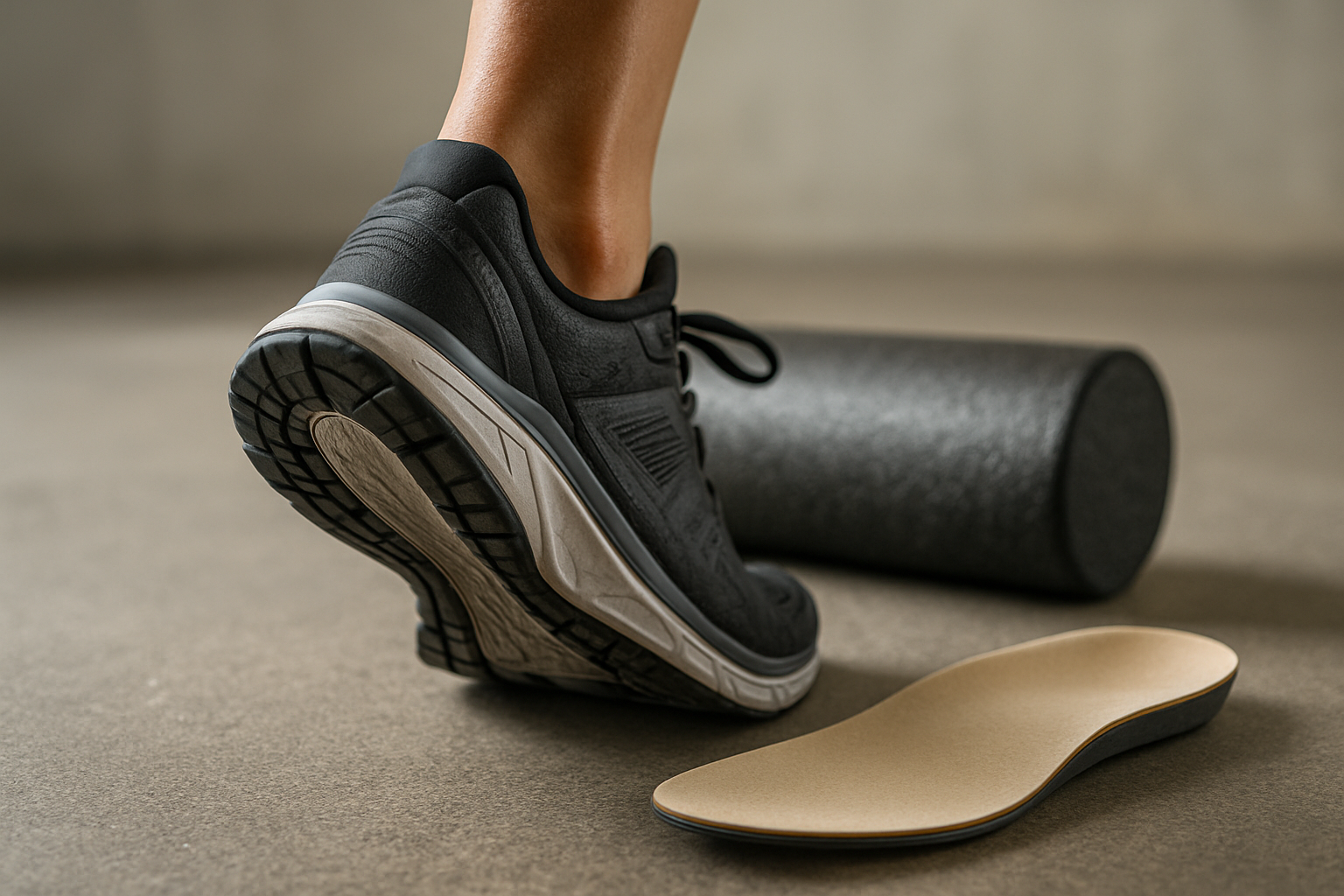
Invest in Proper Insoles and Footwear for Lasting Relief
Plantar fasciitis prevention tips almost always circle back to footwear. Worn-out shoes lose cushioning and arch support fast. Replace running shoes every 300–500 miles. Custom or over-the-counter insoles with solid arch support can significantly reduce fascia strain during long runs.
Ease Into Mileage Increases to Avoid Overloading the Fascia
The 10% rule exists for a reason — never jump your weekly mileage by more than 10% at a time. Sudden spikes are the fastest way to inflame the fascia before it can adapt.
Shin Splints: Build Stronger Legs and Run Farther

Learn What Causes Shin Splints in New and Returning Runners
Shin splints (medial tibial stress syndrome) happen when the muscles, tendons, and bone tissue around your tibia get overloaded. New runners are especially vulnerable because their bones haven’t adapted to repetitive impact yet. Returning runners after a break face the same risk — your fitness comes back faster than your bones do.
Common triggers include:
- Ramping up mileage too quickly
- Running on hard surfaces like concrete
- Worn-out shoes with poor cushioning
- Overpronation (feet rolling inward excessively)
- Weak hip and core muscles
Follow a Gradual Training Plan to Prevent Bone Stress
Shin splints causes and prevention come down to one key principle — progressive overload done right. Stick to the 10% rule: never increase your weekly mileage by more than 10% from the previous week. Give your body time to remodel bone tissue and strengthen supporting muscles before pushing harder.
Cross-Train to Reduce Repetitive Impact on Your Shins
Swapping some running days for low-impact activities cuts the cumulative stress your shins absorb.
| Cross-Training Option | Benefit |
|---|---|
| Swimming | Zero impact, full cardio |
| Cycling | Builds leg strength without pounding |
| Elliptical | Mimics running mechanics, less stress |
| Yoga/Pilates | Improves flexibility and core stability |
Rotate these into your weekly schedule and your shins will thank you.
Achilles Tendinitis: Keep Your Tendons Strong and Flexible
Spot the Tightness and Stiffness That Precede Tendon Damage
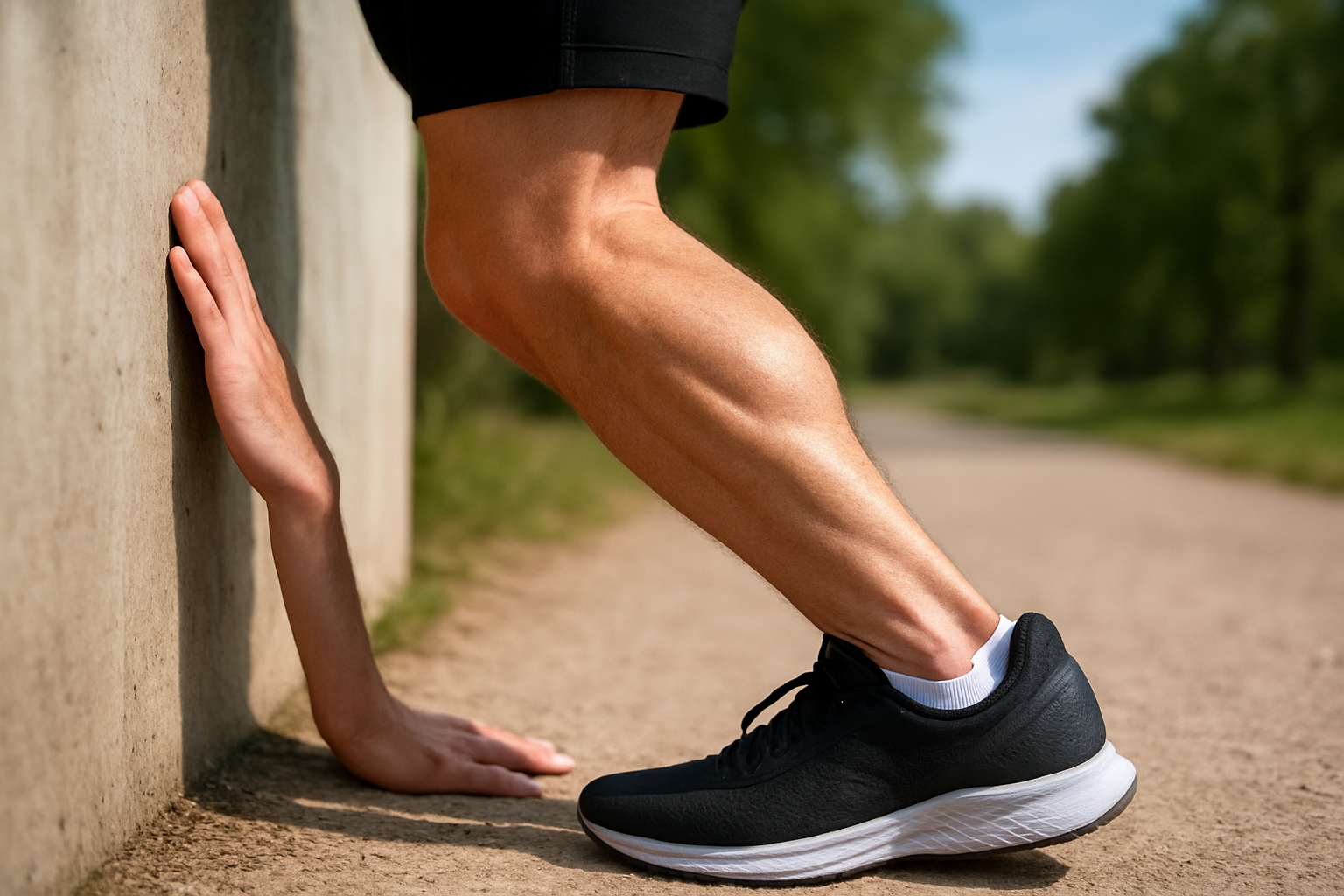
Your Achilles tendon gives you warning signs before things get serious. Watch for:
- Morning stiffness at the back of your heel that loosens after a few minutes
- Mild aching during the first mile of a run that fades as you warm up
- Tenderness when you pinch the tendon between your fingers
If that stiffness keeps returning, don’t push through it. That’s your tendon asking for attention, not toughness.
Incorporate Eccentric Heel Drops Into Your Routine
Eccentric heel drops are one of the most research-backed Achilles tendinitis exercises you can do. Here’s the basic version:
- Stand on a step with your heels hanging off the edge
- Rise onto both toes, then lower slowly using only the affected leg
- Do 3 sets of 15 reps, once daily
This controlled loading strengthens the tendon progressively and builds resilience over time.
Avoid Sudden Spikes in Training Intensity or Volume
The 10% rule exists for a reason — never increase your weekly mileage by more than 10% at a time. Jumping too fast in speed work or hill training puts enormous strain on your Achilles before it’s ready to handle the load.
Stress Fractures: Safeguard Your Bones for Long-Term Running
Understand How Cumulative Impact Leads to Stress Fractures
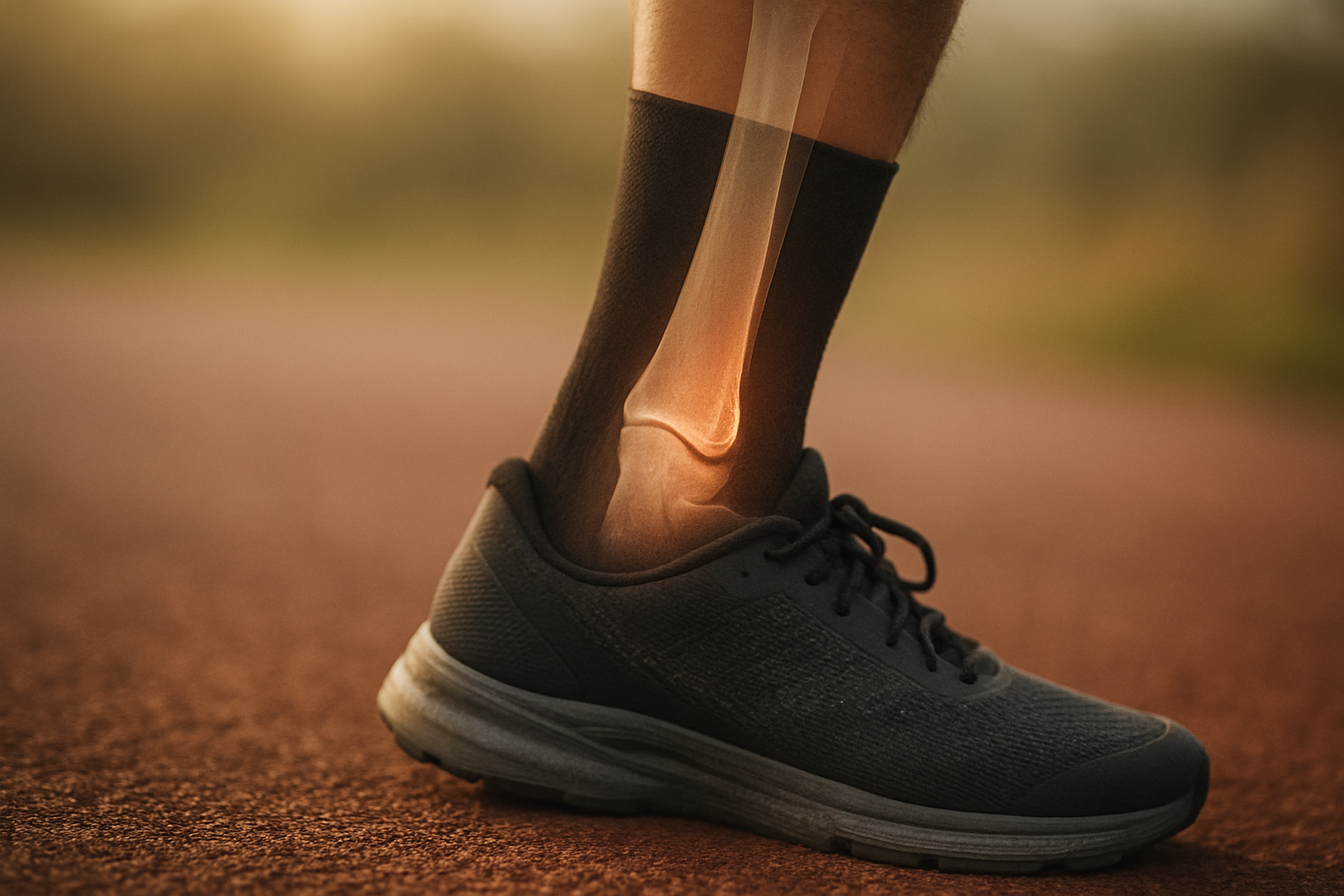
Stress fractures in runners don’t happen from one bad landing—they build up over time. Repeated impact gradually weakens bone faster than your body can repair it. Ramping up mileage too quickly is the #1 culprit, so follow the 10% rule: never increase weekly distance by more than 10% at a time.
Fuel Your Body With Bone-Strengthening Nutrients
Your bones need the right raw materials to handle running loads:
- Calcium – dairy, leafy greens, fortified foods
- Vitamin D – sunlight, fatty fish, supplements if deficient
- Protein – supports bone matrix repair after hard efforts
- Magnesium – nuts, seeds, whole grains
Low bone density is a serious stress fracture risk factor, especially for female runners dealing with the female athlete triad.
Listen to Localized Bone Pain Before It Becomes a Fracture
Sharp, pinpoint pain along your shin, foot, or hip that worsens with activity is a red flag. Unlike muscle soreness, this pain doesn’t ease up after warming up—it gets worse. Stop running and see a doctor immediately.
Schedule Rest Days to Allow Bone Remodeling and Recovery
Bone remodeling happens between runs, not during them. Build at least 1–2 full rest days into every training week, and cycle in lower-mileage recovery weeks monthly.
Hip Flexor Strains: Stay Powerful and Injury-Free

Identify Muscle Imbalances That Put Hip Flexors at Risk
Tight hip flexors paired with weak glutes are a recipe for strain. When your glutes underperform, your hip flexors compensate by working overtime — especially during the push-off phase of your stride. Watch for these red flags:
- Anterior pelvic tilt — your lower back arches excessively when standing
- Weak glutes — difficulty holding a single-leg balance for 30 seconds
- Limited hip extension — your stride feels short or restricted
Addressing these imbalances early is key to hip flexor strain recovery before it becomes a real problem.
Warm Up Dynamically to Prepare Hip Flexors for Running
Static stretching before a run can actually reduce muscle power. Instead, prime your hip flexors with:
- Leg swings (front-to-back and side-to-side) — 10 reps each leg
- Walking lunges with rotation — 8 reps per side
- High knees — 20 seconds at moderate pace
Strengthen Your Core to Take Pressure Off Your Hips
A strong core keeps your pelvis stable, which directly reduces hip flexor stress. Add these to your routine:
- Dead bugs — 3 sets of 8 reps
- Glute bridges — 3 sets of 15 reps
- Plank holds — 3 x 30 seconds

Staying ahead of these common running injuries comes down to one thing: being proactive. From protecting your knees and IT band to keeping your Achilles strong and your bones healthy, the steps you take before pain shows up are what keep you on the road, trail, or track longer. Small habits like proper warm-ups, smart training increases, and listening to your body go a long way in preventing the setbacks that sideline so many runners.
You don’t have to wait until something hurts to start taking care of yourself. Pick one or two areas from this list that feel most relevant to your running right now and start there. Your future self—the one still running strong months from now—will thank you for it.