



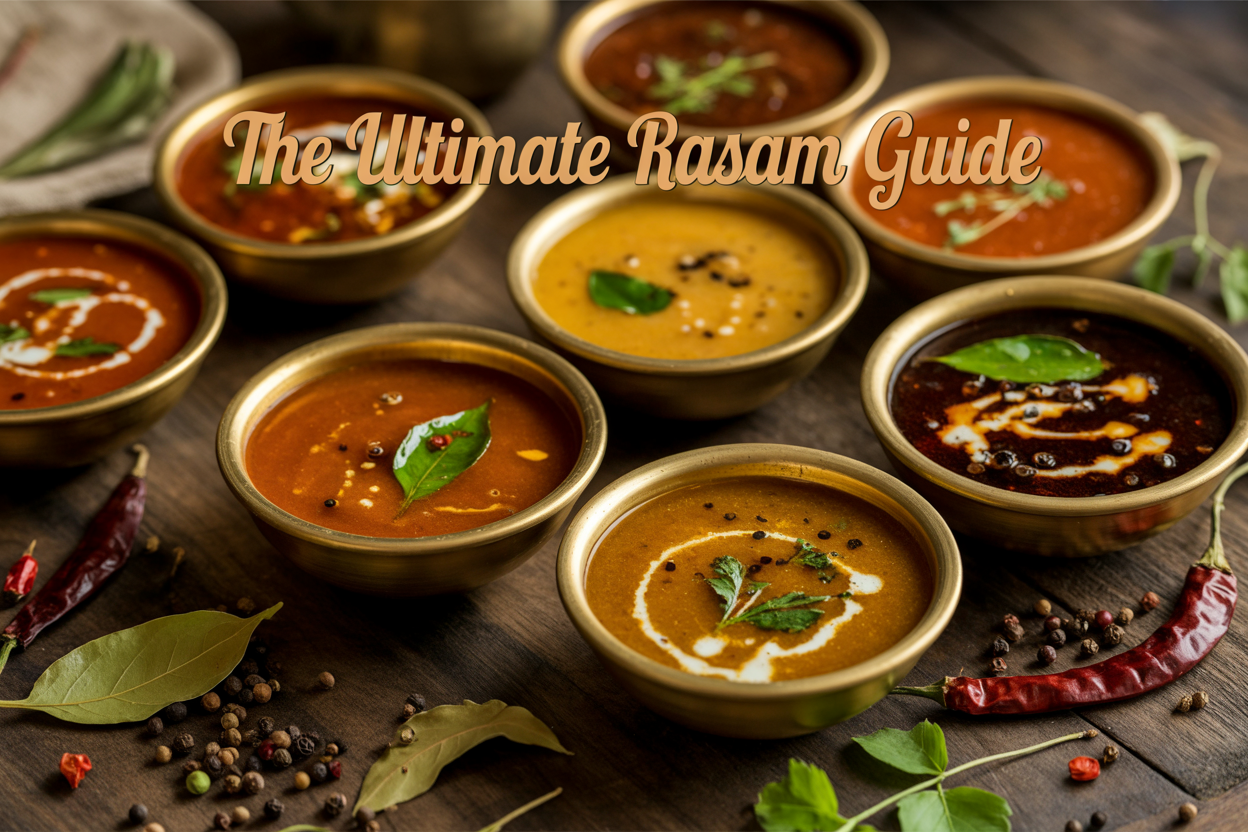
The Ultimate Guide to Rasam: Every Type Explained
If you’ve ever had a bowl of rasam on a rainy day or when you were feeling under the weather, you already know there’s something almost magical about it. This guide is for anyone who loves South Indian rasam and wants to go deeper — home cooks, curious food lovers, and beginners looking for an easy rasam recipe to start with.
Here, you’ll get the full picture. We’ll walk through the must-know traditional rasam varieties like tomato rasam and pepper rasam, dig into regional rasam recipes from across South India, and break down the rasam health benefits that make this humble soup way more than just a side dish.
No fluff, no guesswork — just everything you need to understand, cook, and fall in love with every type of rasam out there.
Table of Contents
What Makes Rasam a Staple of South Indian Cuisine
The Ancient Origins and Cultural Significance of Rasam
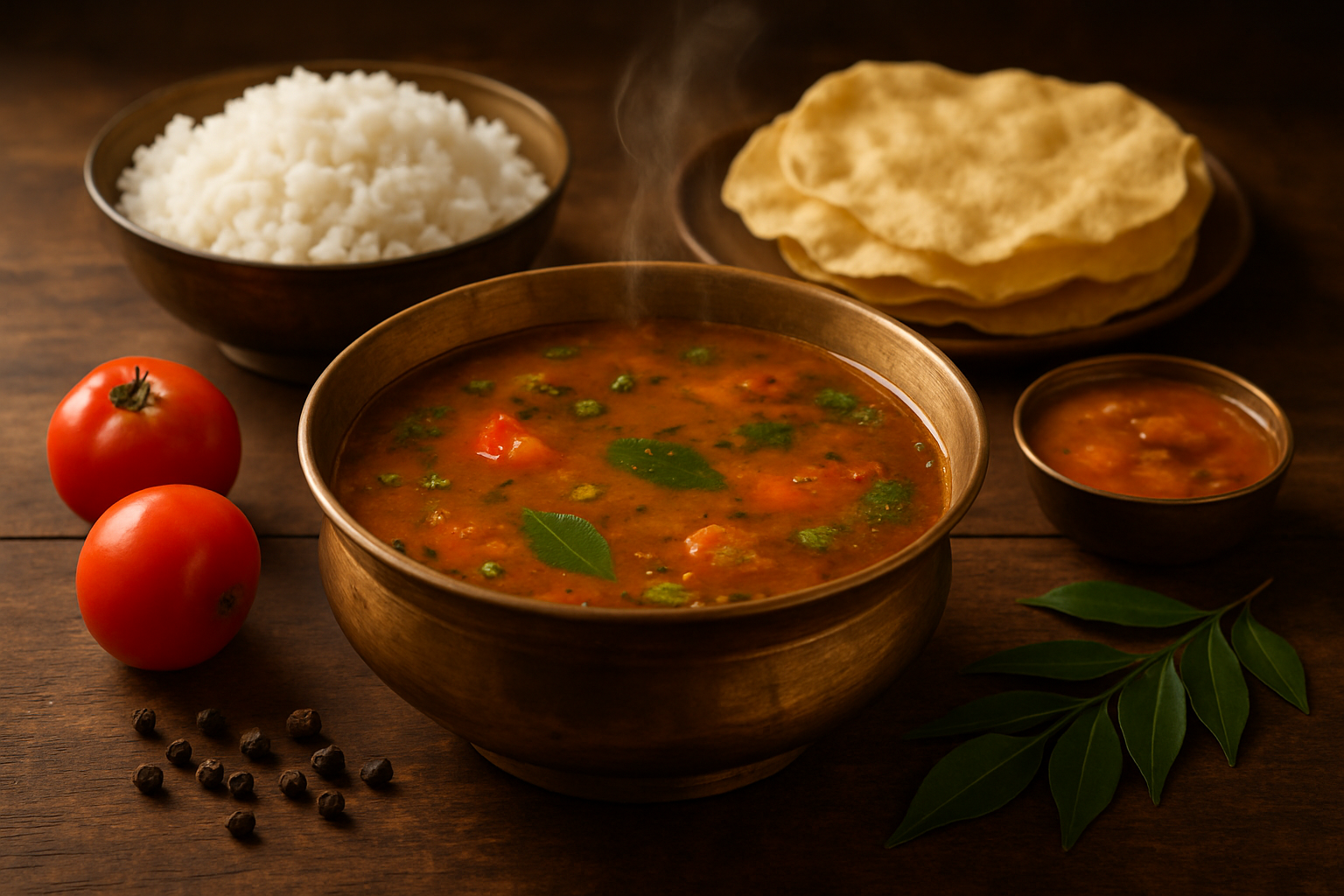
Rasam has been around for centuries, with roots in ancient Tamil Nadu and Ayurvedic cooking traditions. Originally called saaru or chaaru, meaning “essence,” it was designed to extract maximum nutrition from simple ingredients. Today, no South Indian meal feels complete without it.
Key Flavor Profiles That Define a Perfect Rasam
A great rasam balances four distinct tastes simultaneously:
- Sour – from tamarind or tomatoes
- Spicy – from black pepper and dried chilies
- Savory – from toor dal and cumin
- Aromatic – from curry leaves and mustard tempering
Essential Ingredients Every Rasam Recipe Relies On
| Ingredient | Purpose |
|---|---|
| Tamarind | Delivers signature sourness |
| Black pepper | Adds heat and digestive benefits |
| Tomatoes | Balances acidity and adds body |
| Toor dal water | Creates a light, nourishing base |
| Curry leaves + mustard | Defines the tempering aroma |
How Rasam Differs Across South Indian States
Each state puts its own spin on South Indian rasam:
- Tamil Nadu – tamarind-heavy, thinner consistency
- Karnataka – uses saarina pudi spice blend
- Andhra Pradesh – noticeably spicier with extra chilies
- Kerala – coconut milk adds a creamy, mild touch
Must-Know Traditional Rasam Varieties
Tomato Rasam: The Everyday Comfort Classic
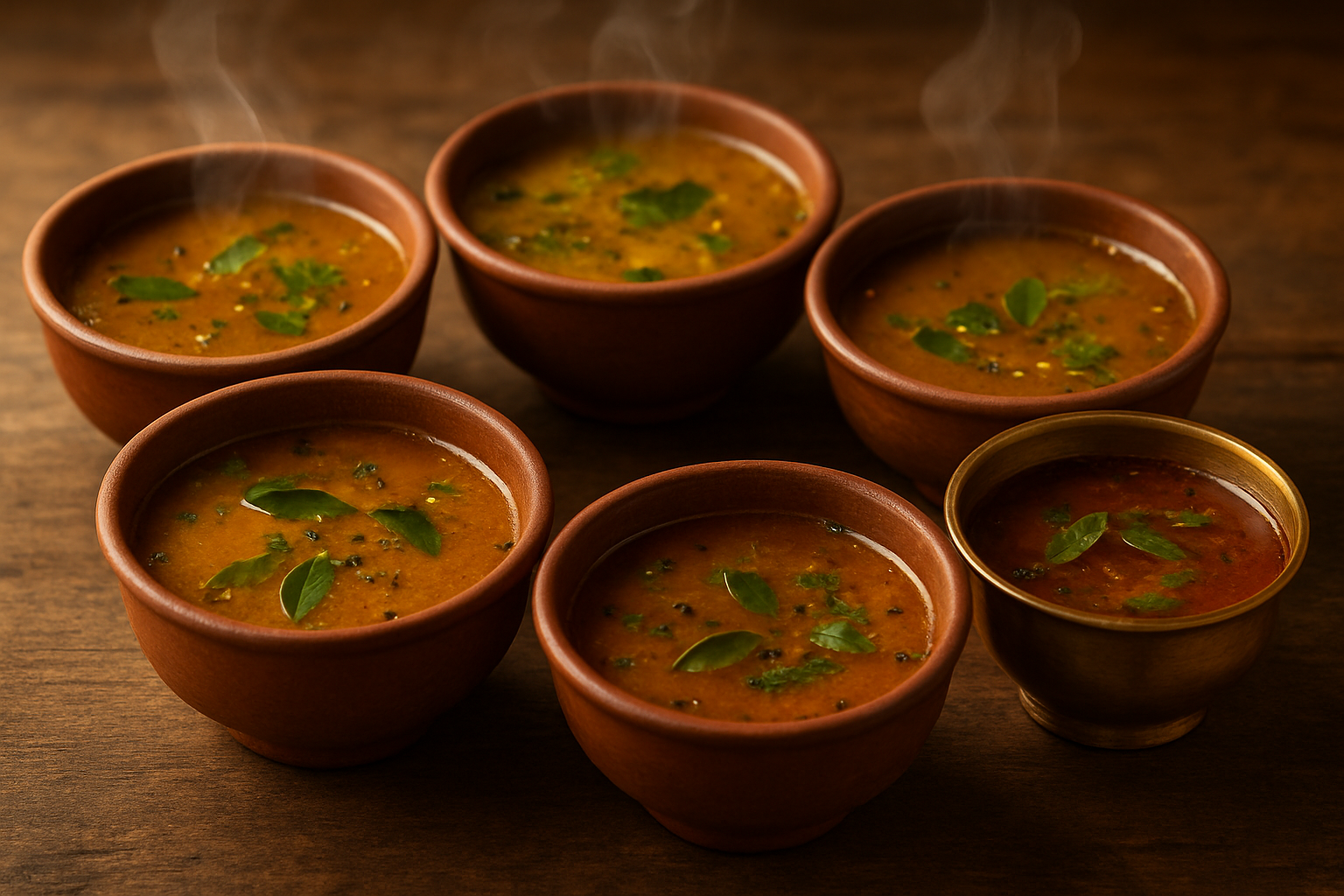
Tomato rasam is the version most South Indian households make on a weeknight without a second thought. Ripe tomatoes, mustard seeds, curry leaves, and a pinch of asafoetida create a light, tangy broth that pairs beautifully with steamed rice.
Pepper Rasam: The Powerful Remedy for Cold and Flu
Milagu rasam leans heavily on black pepper and cumin, making it the go-to rasam recipe when someone is under the weather. The heat from pepper actively clears congestion and aids digestion.
Tamarind Rasam: The Bold and Tangy Original
This is the backbone of traditional rasam varieties. Tamarind pulp gives it a deep, sour punch balanced by toor dal and rasam powder. It’s bold, warming, and deeply satisfying.
Lemon Rasam: The Bright and Refreshing Everyday Favorite
Skip the tamarind and squeeze fresh lemon in at the end — the result is a lighter, citrusy South Indian rasam that feels almost restorative on a hot day.
Garlic Rasam: The Deeply Aromatic and Healing Version
Whole garlic cloves are tempered in ghee until golden, then simmered into a rich, pungent broth. Known for its immune-boosting properties, this easy rasam recipe is especially popular in Tamil Nadu households during monsoon season.
Regional Rasam Recipes Worth Exploring
Mysore Rasam: The Rich and Coconut-Infused Delight
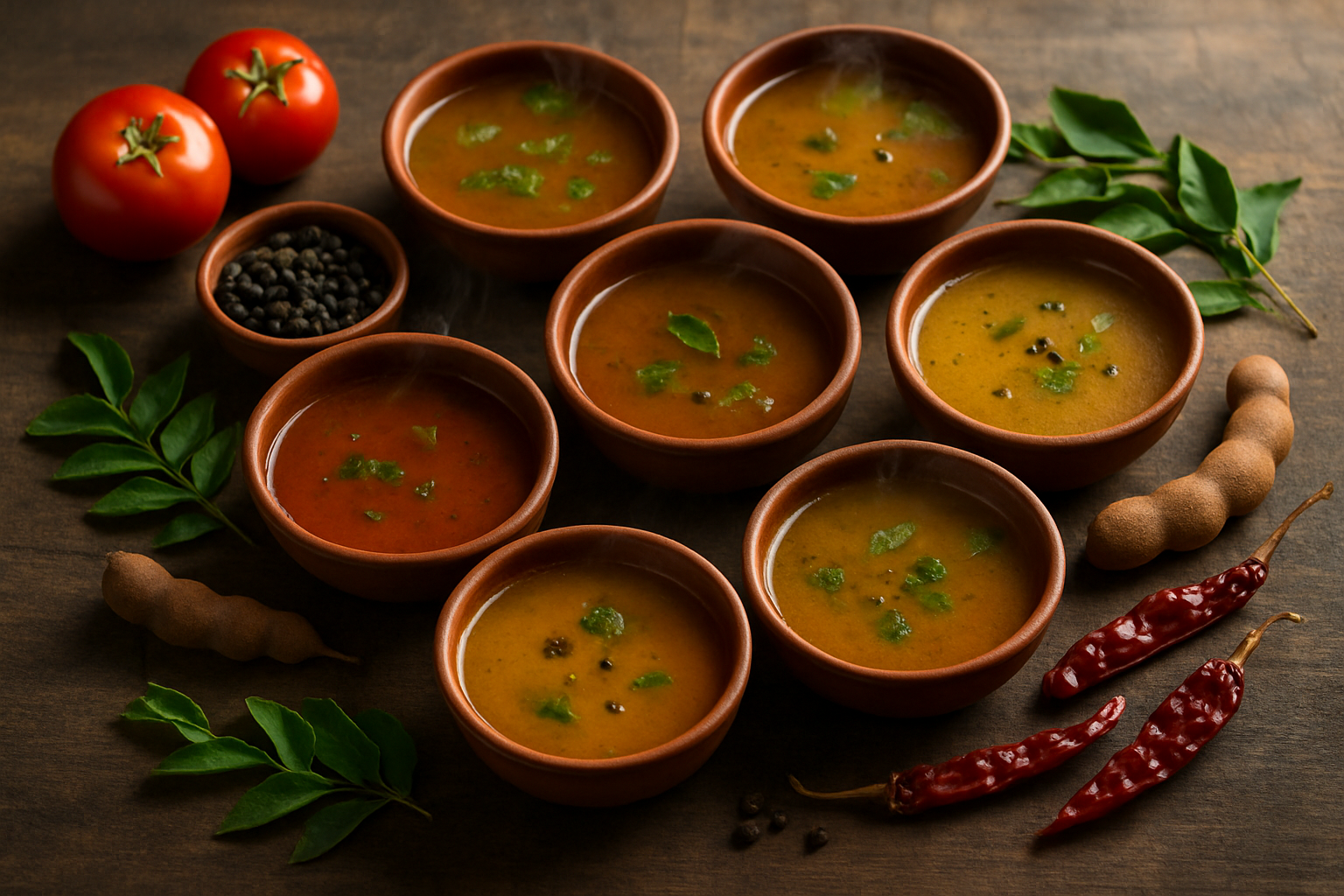
Mysore rasam stands out with its freshly ground coconut and spice paste, giving it a thicker, richer body than most other regional rasam recipes. The blend of roasted coriander seeds, dried red chilies, and grated coconut creates a deep, nutty flavor that pairs beautifully with steamed rice.
Chettinad Rasam: The Fiery and Spiced Specialty
Chettinad rasam is bold, aromatic, and unapologetically spicy. Kalpasi (stone flower), marathi mokku (dried flower pods), and freshly cracked black pepper give this South Indian rasam its signature complex heat. It’s a warming, punchy rasam recipe that serious spice lovers absolutely need to try.
Kerala Rasam: The Coconut Milk Twist on Tradition
Kerala’s take swaps the usual water base for creamy coconut milk, making the rasam noticeably smoother and milder. Curry leaves and mustard seeds sizzle in coconut oil, adding a distinctly coastal South Indian character.
Andhra Rasam: The Extra Spicy Regional Staple
Andhra rasam cranks up the heat with generous amounts of red chilies and tamarind. The tamarind-forward tanginess balanced with fiery spice makes it one of the most intense traditional rasam varieties out there — definitely not for the faint-hearted.
Unique and Lesser-Known Rasam Variations to Try
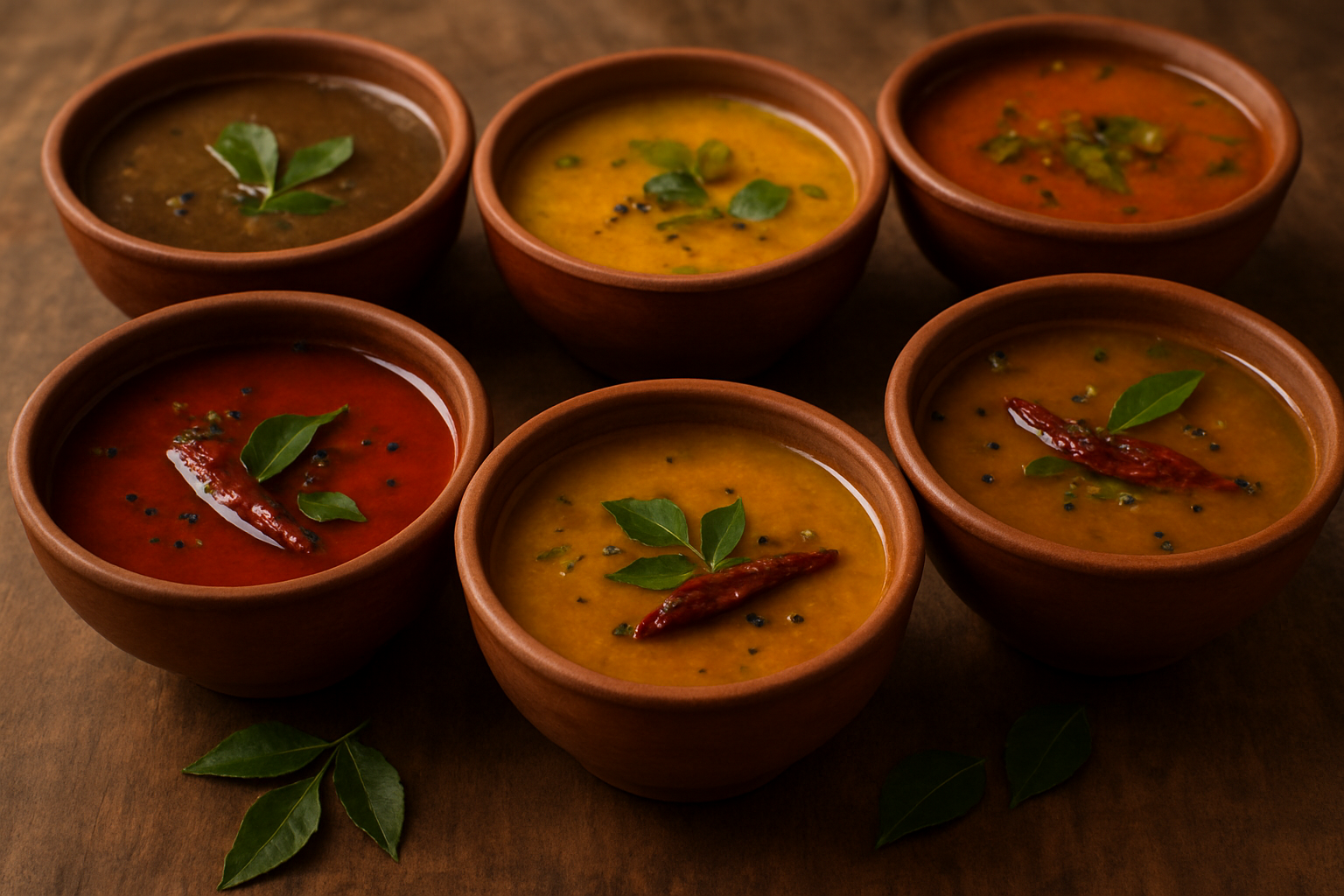
Pineapple Rasam: The Sweet and Tangy Crowd Pleaser
Fresh pineapple juice replaces tamarind here, creating a rasam that’s bright, fruity, and surprisingly addictive. The natural sweetness balances beautifully against black pepper and mustard seeds. Serve it as a palate cleanser between courses or sip it warm on a cold day.
Drumstick Rasam: The Nutritious and Earthy Option
Moringa pods (drumsticks) add a subtle earthiness and a serious nutritional punch. The rasam recipe stays close to tradition — tamarind, tomatoes, rasam powder — but the drumstick broth deepens the flavor in a way that’s hard to describe until you taste it.
Beetroot Rasam: The Vibrant and Antioxidant-Rich Choice
This one turns heads instantly with its deep magenta color. Roasted or boiled beetroot blended into the base adds mild sweetness and loads of antioxidants. It’s one of those types of rasam that looks fancy but comes together quickly.
Jeerakam Rasam: The Cumin-Forward Digestive Booster
Cumin takes center stage in this South Indian rasam, with very little tamarind or tomato competing for attention. It’s thin, clean, and incredibly soothing after a heavy meal. Many families swear by it as a natural digestive remedy — and honestly, it works.
Health Benefits That Make Rasam More Than Just a Soup
How Rasam Supports Digestion and Gut Health
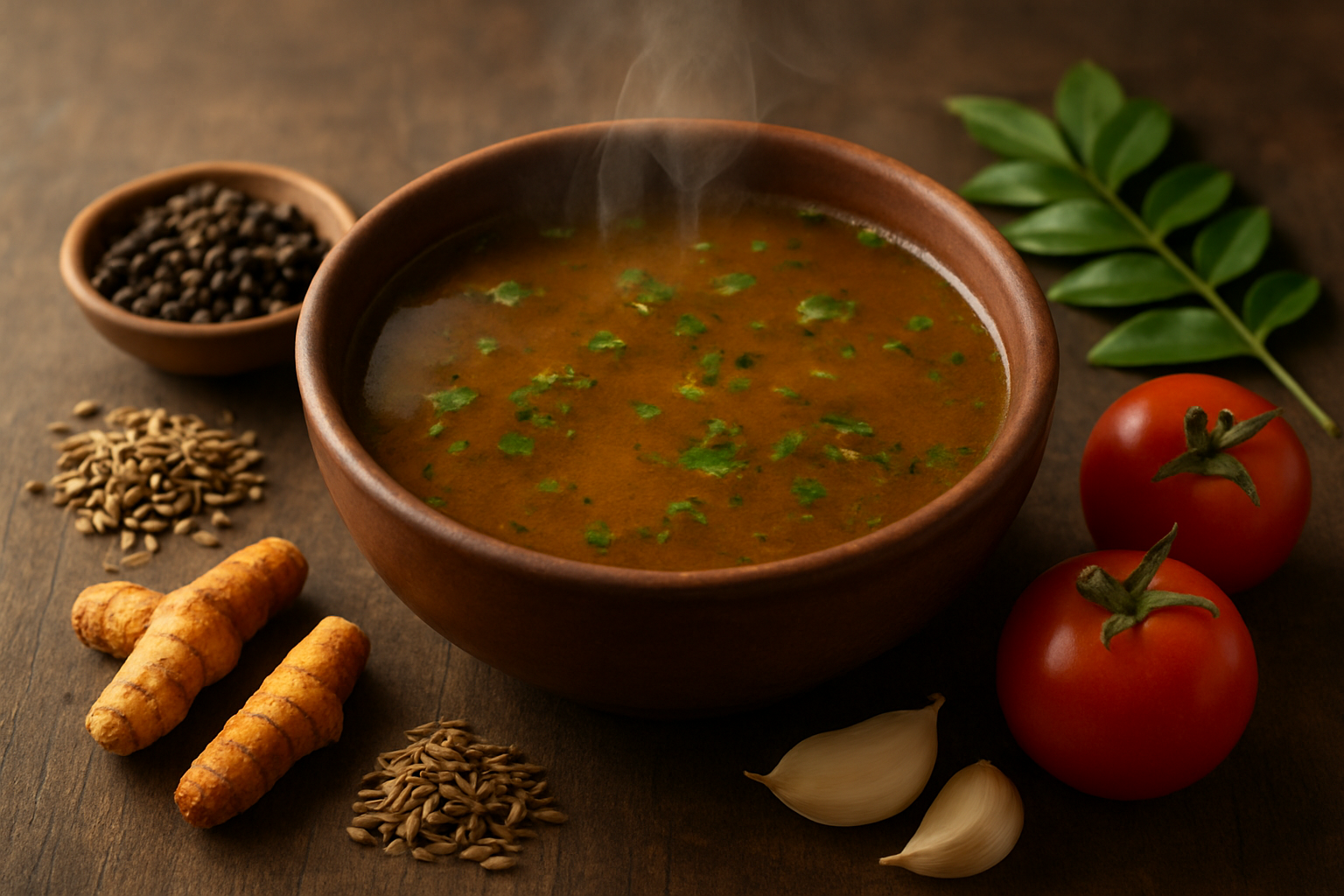
Rasam is essentially a digestive powerhouse. The tamarind base stimulates digestive enzymes, while cumin and asafoetida (hing) actively reduce bloating and gas. That’s why a small bowl of rasam served mid-meal in traditional South Indian homes isn’t just custom — it genuinely helps break down heavier foods.
- Tamarind acts as a natural laxative and soothes the gut lining
- Cumin promotes enzyme secretion
- Asafoetida relieves flatulence and intestinal discomfort
Why Pepper and Spice Blends Boost Immunity Naturally
Pepper rasam recipe staples like black pepper and turmeric do serious immune-boosting work. Black pepper contains piperine, which improves nutrient absorption and has antimicrobial properties. Turmeric’s curcumin is one of nature’s most researched anti-inflammatory compounds.
| Spice | Key Benefit |
|---|---|
| Black Pepper | Antimicrobial, boosts nutrient absorption |
| Turmeric | Reduces inflammation |
| Garlic | Antiviral, strengthens immune response |
| Ginger | Anti-nausea, warms the body |
Rasam as a Proven Home Remedy for Respiratory Relief
Generations of South Indian families have reached for hot pepper rasam the moment a cold hits. The steam, combined with the heat from black pepper and ginger, clears nasal congestion fast. Garlic adds antiviral support, making this traditional rasam variety a genuinely effective remedy — not just folklore.
Tips to Master Rasam at Home Every Time
Choosing the Right Tamarind for Authentic Flavor
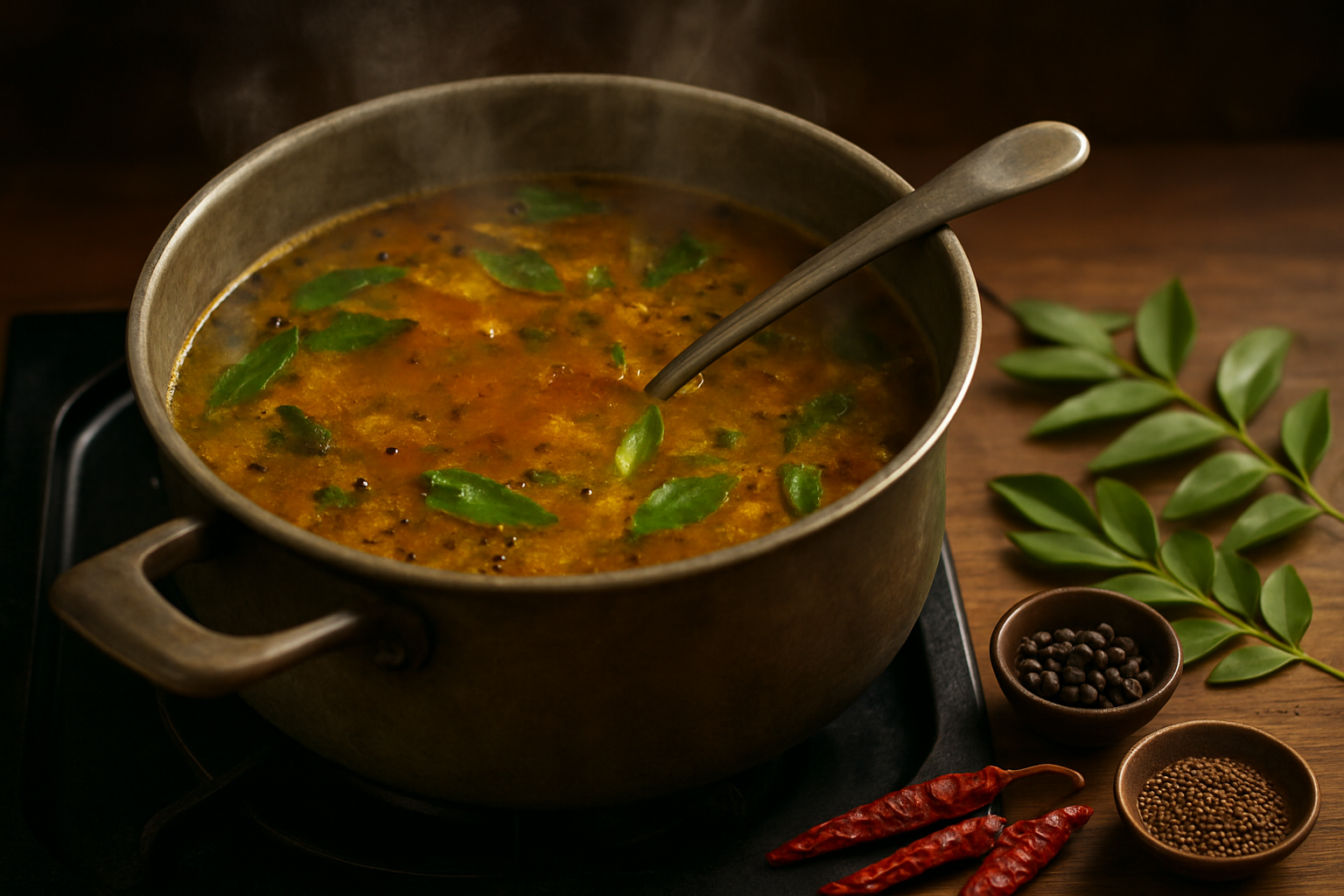
Fresh tamarind pulp beats store-bought concentrate every time. Soak a small ball of tamarind in warm water for 10 minutes, then squeeze out the pulp. This gives your South Indian rasam that genuine tangy depth you just can’t fake.
Balancing Spice Levels to Suit Every Palate
- Add black pepper gradually — it’s the backbone of pepper rasam
- Use green chilies for sharp heat, red chilies for smoky warmth
- A pinch of jaggery softens excessive sourness beautifully
- Taste as you go; rasam is very forgiving
Common Mistakes That Ruin Rasam and How to Avoid Them
| Mistake | Fix |
|---|---|
| Boiling too long | Remove from heat once it froths |
| Skipping tempering | Always finish with mustard seeds in hot ghee |
| Adding too much water | Keep it thin but flavorful |
| Using old spice powders | Fresh-ground rasam powder changes everything |
Best Ways to Serve and Pair Rasam for Maximum Enjoyment
Rasam works best served piping hot. Pour it over steamed rice with a side of papad, or sip it straight from a cup when you’re under the weather. Tomato rasam pairs wonderfully with plain rice and potato fry, while pepper rasam shines alongside simple dal and rice combinations.