



The Ultimate Guide to Body Fat and Aging Gracefully
Getting older changes your body — and your body fat is no exception. If you’ve noticed shifts in how your clothes fit, where you’re carrying extra weight, or how hard it feels to stay lean after 50, you’re not imagining things. These changes are real, they’re normal, and they’re manageable.
This guide is for adults in their 40s, 50s, 60s, and beyond who want straight answers about body fat and aging — without the fluff or the shame. No crash diets, no unrealistic promises, just practical information you can actually use.
Here’s what we’ll cover:
- How body fat changes with age and why your body composition shifts even when your habits stay the same
- What a healthy body fat percentage by age actually looks like — and how to measure body fat at home or with your doctor
- Nutrition for healthy aging and proven strategies to reduce body fat after 50 without making your life miserable
By the end, you’ll have a clear picture of where you stand, what’s worth your attention, and how to build a healthy weight management plan that works with your aging body — not against it. You’ll also walk away with a healthier mindset around body image as an older adult, because how you feel about your body matters just as much as the numbers.
Let’s get into it.
Table of Contents
Understanding How Body Fat Changes as You Age
Why Body Fat Distribution Shifts After 30
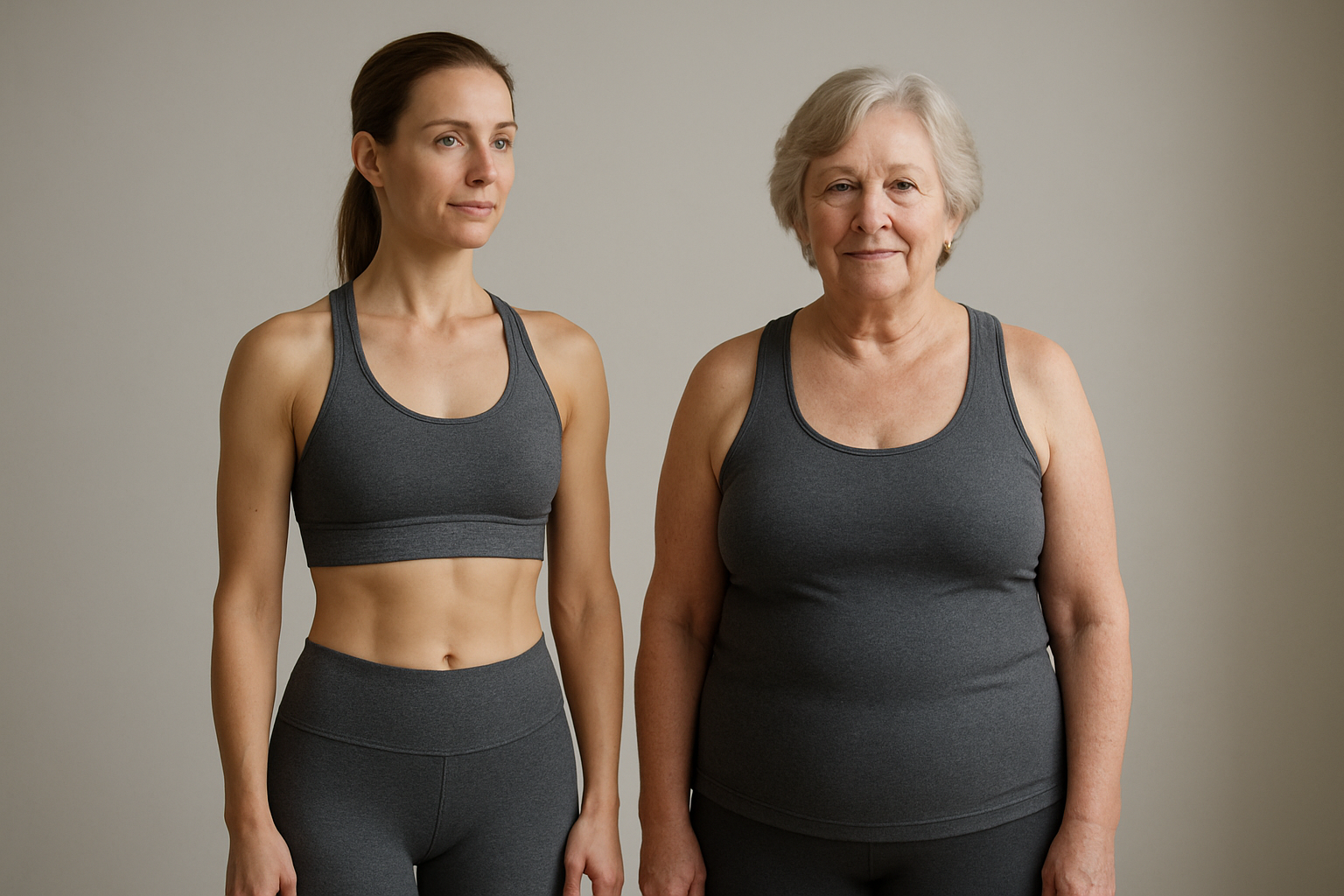
Starting around age 30, the body gradually redistributes fat — less in the limbs and more around the abdomen and internal organs. This shift happens even without weight gain, driven by changes in muscle mass and cellular behavior.
The Role of Hormones in Fat Accumulation
Hormones play a huge role in how body fat changes with age:
- Estrogen decline (in women) triggers fat migration toward the belly
- Testosterone drop (in men) reduces muscle mass, making fat storage easier
- Rising cortisol from chronic stress pushes fat toward the midsection
- Declining growth hormone slows fat breakdown over time
How Metabolism Slows and What It Means for Your Body
Metabolism dips roughly 1–2% per decade after 20, largely because muscle tissue — which burns more calories at rest — decreases. Eating the same as you did at 25 while moving less creates a slow, steady fat gain that sneaks up on most people.
Key Differences in Fat Changes Between Men and Women
| Factor | Men | Women |
|---|---|---|
| Primary fat location | Abdomen (visceral) | Hips/thighs, then abdomen post-menopause |
| Main hormonal driver | Testosterone decline | Estrogen decline |
| Timing of major shifts | Gradual after 30 | Accelerates around menopause |
The Health Risks of Excess Body Fat in Older Adults

How Visceral Fat Raises Your Risk of Heart Disease
As body fat and aging intersect, visceral fat — the deep abdominal fat surrounding your organs — becomes the real troublemaker. Unlike subcutaneous fat you can pinch, visceral fat releases inflammatory chemicals that damage artery walls, raise LDL cholesterol, and drive up blood pressure. Older adults carrying excess belly fat face significantly higher risks of heart attack and stroke, even when other health markers seem normal.
The Link Between Body Fat and Type 2 Diabetes
Excess fat, especially around the abdomen, interferes with how cells respond to insulin. This insulin resistance forces the pancreas to work harder until it can no longer keep blood sugar stable. For adults over 50, managing healthy body composition is one of the most powerful ways to reduce diabetes risk — or slow its progression if already diagnosed.
How Excess Fat Affects Joint Health and Mobility
Every extra pound of body fat places roughly 4 pounds of pressure on your knees. For older adults, this accelerates cartilage breakdown and worsens arthritis symptoms. The impact shows up as:
- Reduced range of motion
- Chronic knee and hip pain
- Increased fall risk
- Decreased overall activity levels
Reducing body fat after 50 directly eases joint stress and keeps you moving comfortably.
Proven Strategies to Maintain a Healthy Body Fat Percentage

Strength Training to Preserve Muscle and Burn Fat
After 50, muscle loss accelerates — but lifting weights fights back. Aim for 2–3 sessions weekly targeting major muscle groups. Even bodyweight exercises like squats and push-ups make a real difference for body composition for older adults.
Cardio Exercises Best Suited for Aging Bodies
High-impact workouts aren’t always the answer. Try:
- Swimming – easy on joints, burns significant calories
- Brisk walking – sustainable and effective
- Cycling – builds endurance without stress on knees
How Sleep Quality Directly Impacts Fat Storage
Poor sleep raises cortisol and disrupts hunger hormones, making fat storage — especially around the belly — much more likely. Prioritize 7–9 hours and keep a consistent sleep schedule to support healthy weight management as you age.
Stress Management Techniques That Prevent Weight Gain
Chronic stress triggers cortisol spikes that encourage fat accumulation. Simple daily habits help:
- 10-minute mindfulness or breathing exercises
- Regular time outdoors
- Journaling or talking with a friend
Staying Consistent with an Active Lifestyle Long Term
Consistency beats intensity every time. Schedule movement like any other appointment, find activities you genuinely enjoy, and build a social routine around staying active — accountability makes all the difference.
Nutrition Habits That Support Healthy Body Composition
Protein Intake Essentials for Preserving Lean Muscle
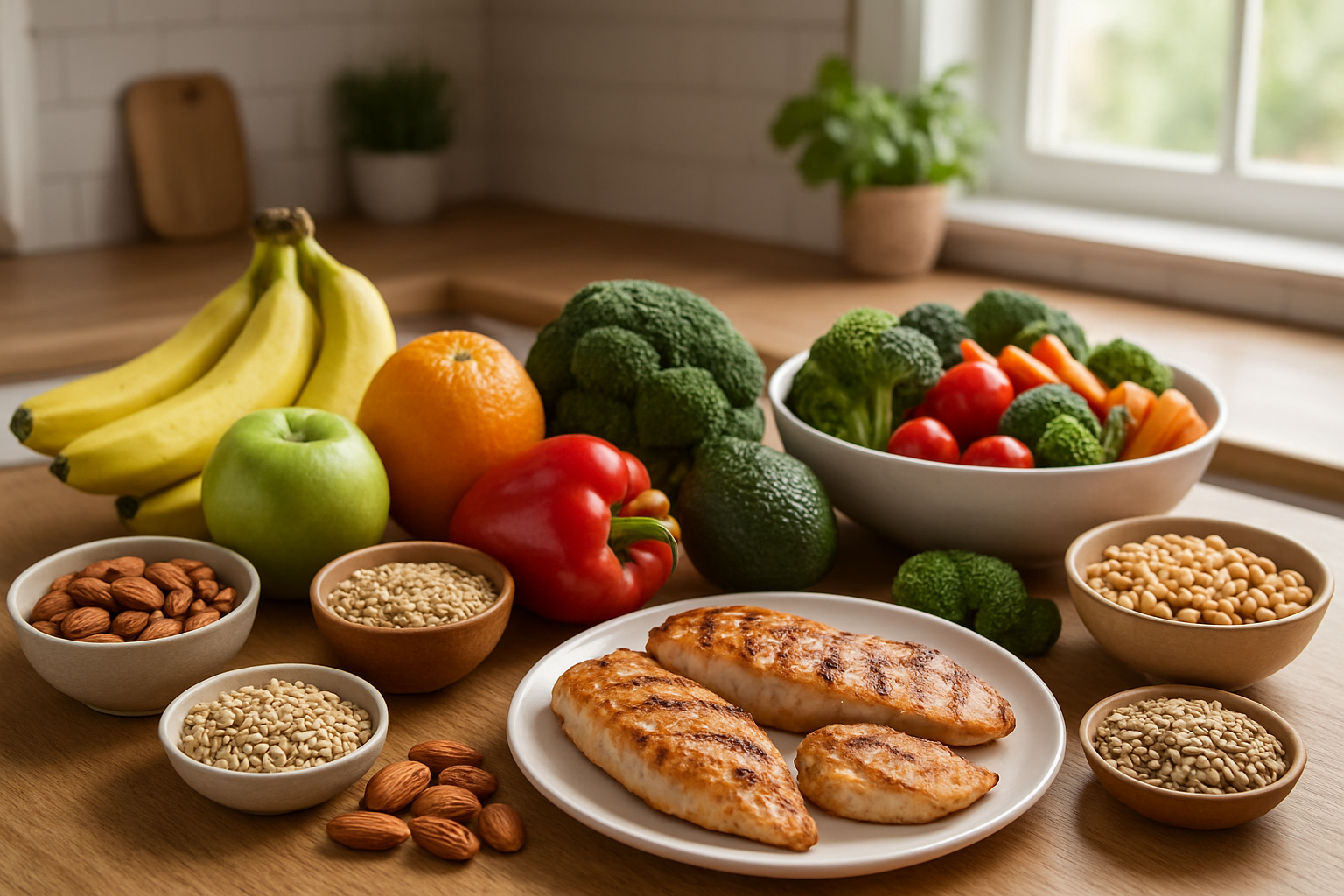
After 50, your body needs more protein, not less. Aim for 1.2–1.6g per kilogram of body weight daily. Spread it across meals — 25–35g per sitting works better than one large dose.
Best sources:
- Eggs, Greek yogurt, cottage cheese
- Chicken, salmon, lean beef
- Lentils, edamame, tofu
Anti-Inflammatory Foods That Help Regulate Fat Storage
Chronic inflammation drives fat accumulation, especially around the belly. Loading up on these foods helps push back:
- Omega-3 rich foods: Salmon, walnuts, flaxseeds
- Colorful vegetables: Berries, leafy greens, beets
- Spices: Turmeric, ginger, cinnamon
How to Adjust Caloric Needs as You Get Older
Metabolism slows roughly 2–3% per decade after 30. A practical approach:
| Age Range | Calorie Adjustment |
|---|---|
| 40s | Reduce by ~100–150 kcal/day |
| 50s | Reduce by ~200–250 kcal/day |
| 60s+ | Focus on nutrient density over quantity |
Practical Meal Planning Tips for Sustainable Fat Loss
- Eat protein first at every meal
- Don’t skip breakfast — it regulates hunger hormones
- Batch cook on weekends to avoid poor weekday choices
- Stay hydrated; thirst often masquerades as hunger
Measuring and Monitoring Body Fat the Right Way
Understanding BMI vs. Body Fat Percentage
BMI gets a lot of attention, but it tells an incomplete story — especially as you age. It only factors in height and weight, missing the crucial detail of what that weight is made of. Two people with identical BMIs can have wildly different health profiles if one carries mostly muscle and the other carries mostly fat.
Body fat percentage gives a much clearer picture of body composition for older adults, since muscle mass naturally declines with age even when weight stays stable.
| Metric | What It Measures | Limitation |
|---|---|---|
| BMI | Height-to-weight ratio | Ignores muscle vs. fat |
| Body Fat % | Actual fat tissue proportion | Requires proper tools |
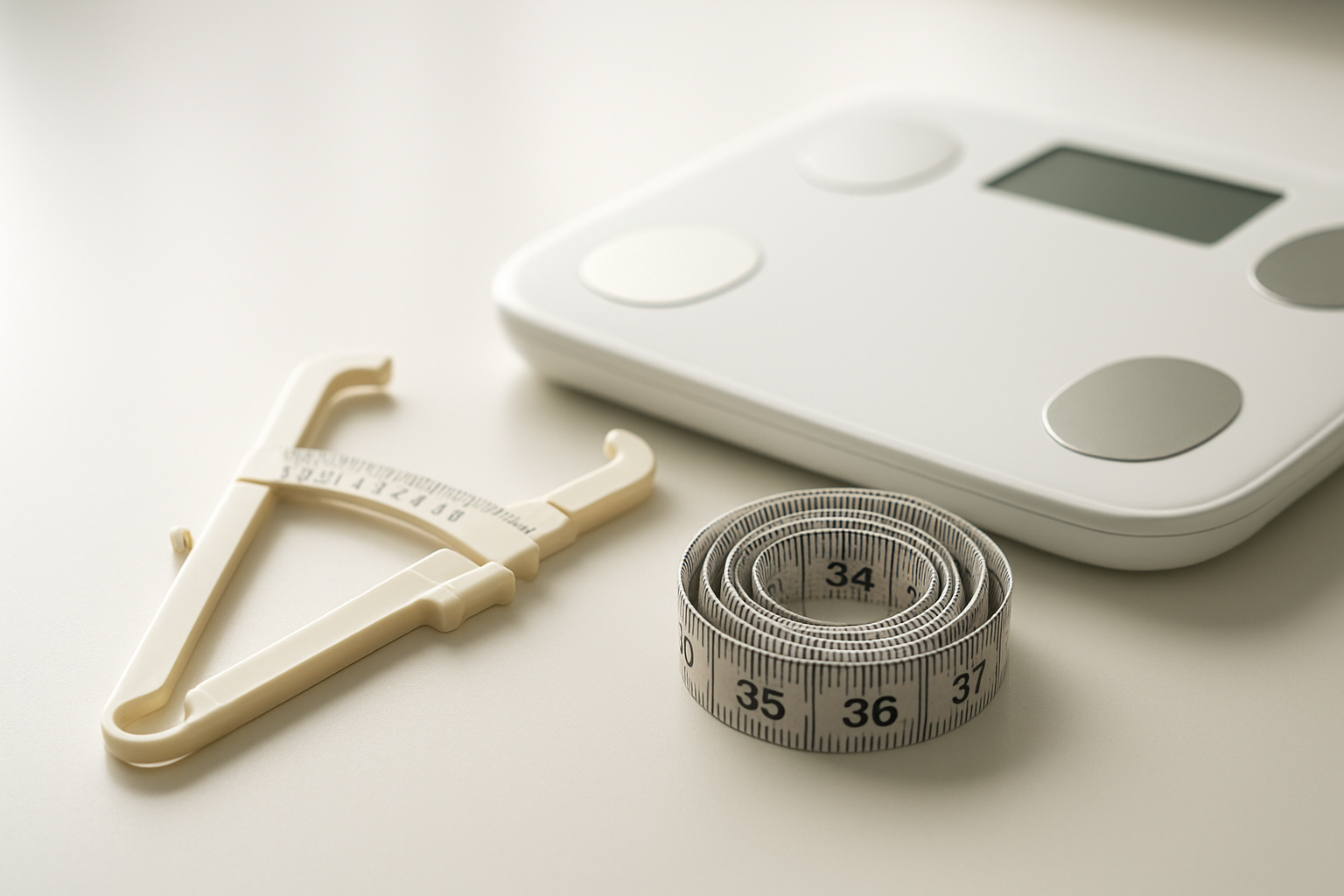
Reliable Tools and Methods for Tracking Body Fat
- DEXA scan – most accurate, often available at medical facilities
- Hydrostatic weighing – highly reliable but less accessible
- Bioelectrical impedance scales – convenient for home use, though hydration affects readings
- Skinfold calipers – affordable when used by a trained professional
Setting Realistic and Age-Appropriate Body Fat Goals
Healthy body fat percentage by age shifts naturally. A reasonable target for adults over 50 is:
- Women: 28–35%
- Men: 18–25%
Chasing the numbers of your 30s isn’t the goal — feeling strong, energetic, and healthy is.
Embracing a Positive Mindset Around Body Changes
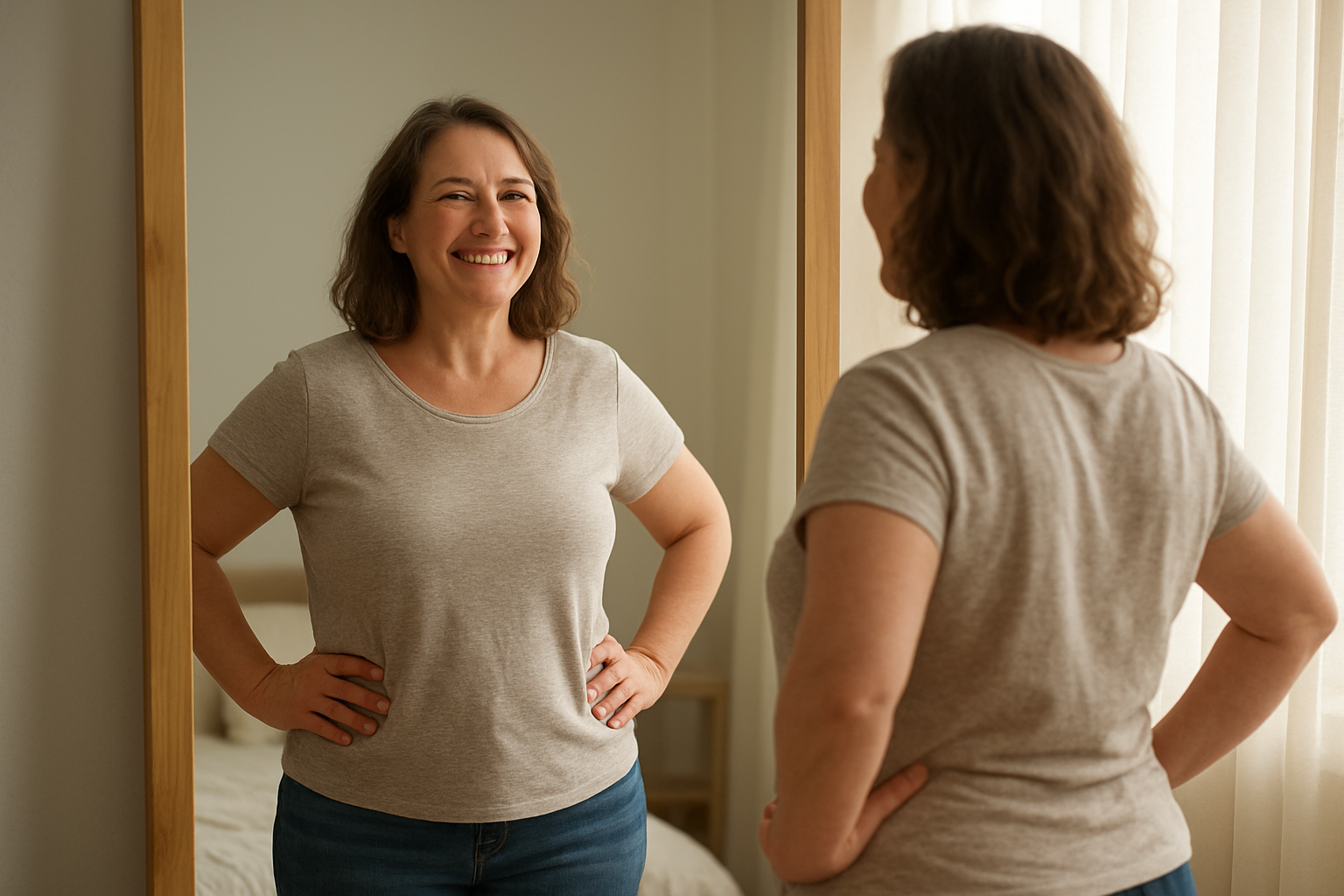
Redefining What a Healthy Body Looks Like at Every Age
A healthy body at 60 looks nothing like one at 25 — and that’s completely okay. As body fat and aging intersect, shifting your benchmark matters. Health shows up as energy, mobility, sharp thinking, and restful sleep — not just a number on a scale. Positive body image in older adults starts with expanding the definition of “healthy.”
How Body Acceptance Supports Long-Term Wellness
Chronic stress about your appearance actually raises cortisol, which encourages fat storage — particularly around the belly. Accepting your body’s natural changes doesn’t mean giving up on health goals; it means pursuing them from a place of self-respect rather than shame. Research consistently links body acceptance with better eating habits, more consistent exercise, and lower rates of anxiety and depression.
Building Confidence Through Strength Rather Than Size
- Focus on performance goals — lifting heavier, walking farther, balancing longer
- Track energy and mood alongside physical metrics
- Celebrate functional wins like carrying groceries, playing with grandkids, or climbing stairs easily
- Shift the language from “losing weight” to “building strength and resilience”
Aging gracefully tips always circle back to this: when confidence comes from what your body does, it lasts far longer than confidence built on how it looks.

Aging is inevitable, but how you age is largely within your control. Managing body fat as you get older isn’t about chasing a number on the scale or looking a certain way — it’s about feeling good, staying healthy, and keeping up with the things you love. From understanding how your body naturally shifts over the decades to building smarter eating habits and finding the right way to track your progress, every small step you take adds up to a bigger, healthier picture.
The most important thing to take away from all of this? Be kind to yourself. Your body is doing an incredible job, and the goal is to support it, not fight it. Start with one habit — maybe it’s adding more protein to your meals, going for a daily walk, or simply checking in with how you feel each week. Small, consistent changes beat dramatic overhauls every time. You’ve got everything you need to age on your own terms — so go ahead and make it count.