



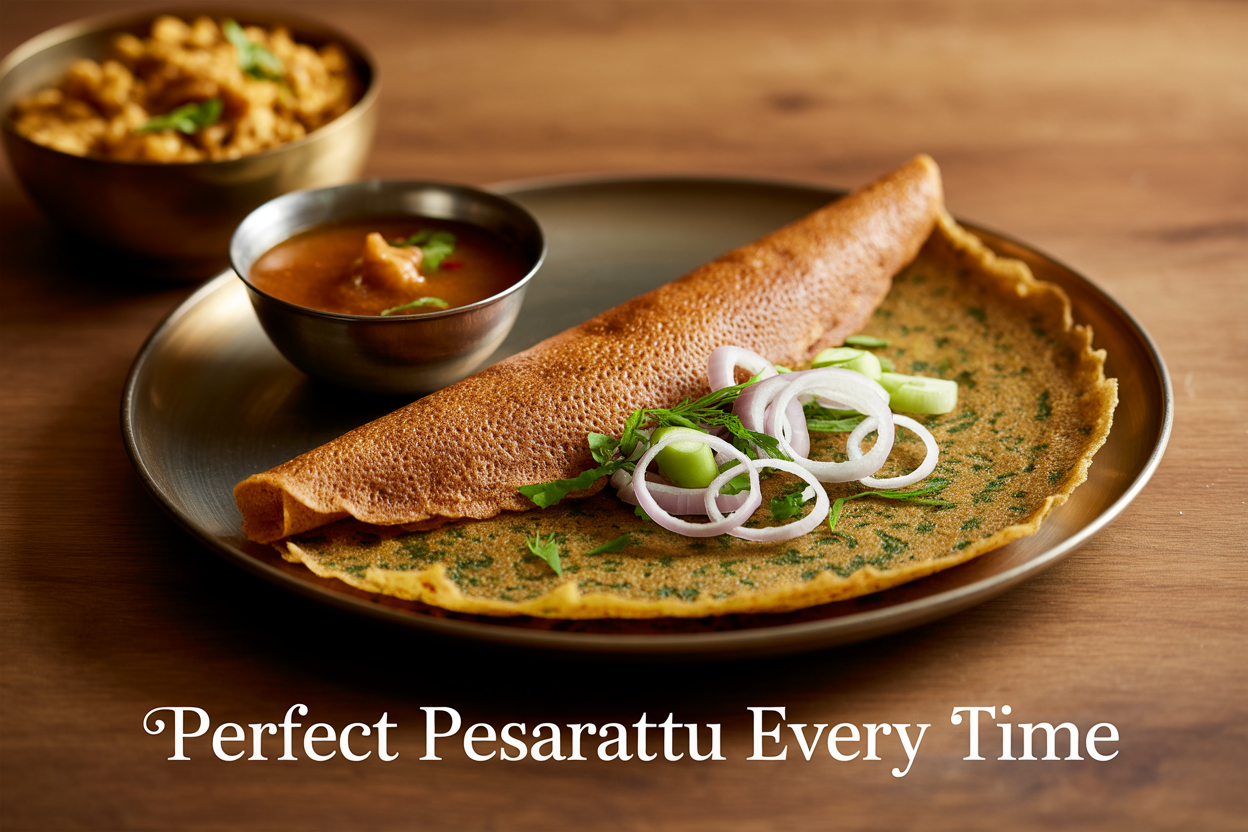
How to Make Perfect Pesarattu Every Single Time
If you’ve ever tried making pesarattu at home and ended up with a soft, pale crepe that tears apart — you’re not alone. Getting that golden, crispy edge with a tender center takes a little know-how, and that’s exactly what this guide is here for.
This easy pesarattu recipe is written for home cooks who love South Indian breakfast food but want real, no-guesswork steps they can follow without stress. Whether you’re a total beginner or someone who’s made moong dal dosa a dozen times and still isn’t happy with the results, this is the breakdown you need.
Here’s what we’ll walk through together:
- Getting the batter right — the perfect pesarattu batter consistency is the single biggest factor between a crispy pesarattu and a soggy one, so we’ll nail that first
- Cooking it properly — pan heat, spreading technique, and timing all matter more than most recipes admit
- What to serve it with — from classic pesarattu with upma stuffed inside to the best pesarattu chutney pairings, we’ve got the full picture covered
By the end, you’ll have everything you need to make a green moong dal crepe that looks and tastes like it came straight out of an Andhra kitchen. Let’s get into it.
Table of Contents
Understanding Pesarattu and Its Benefits
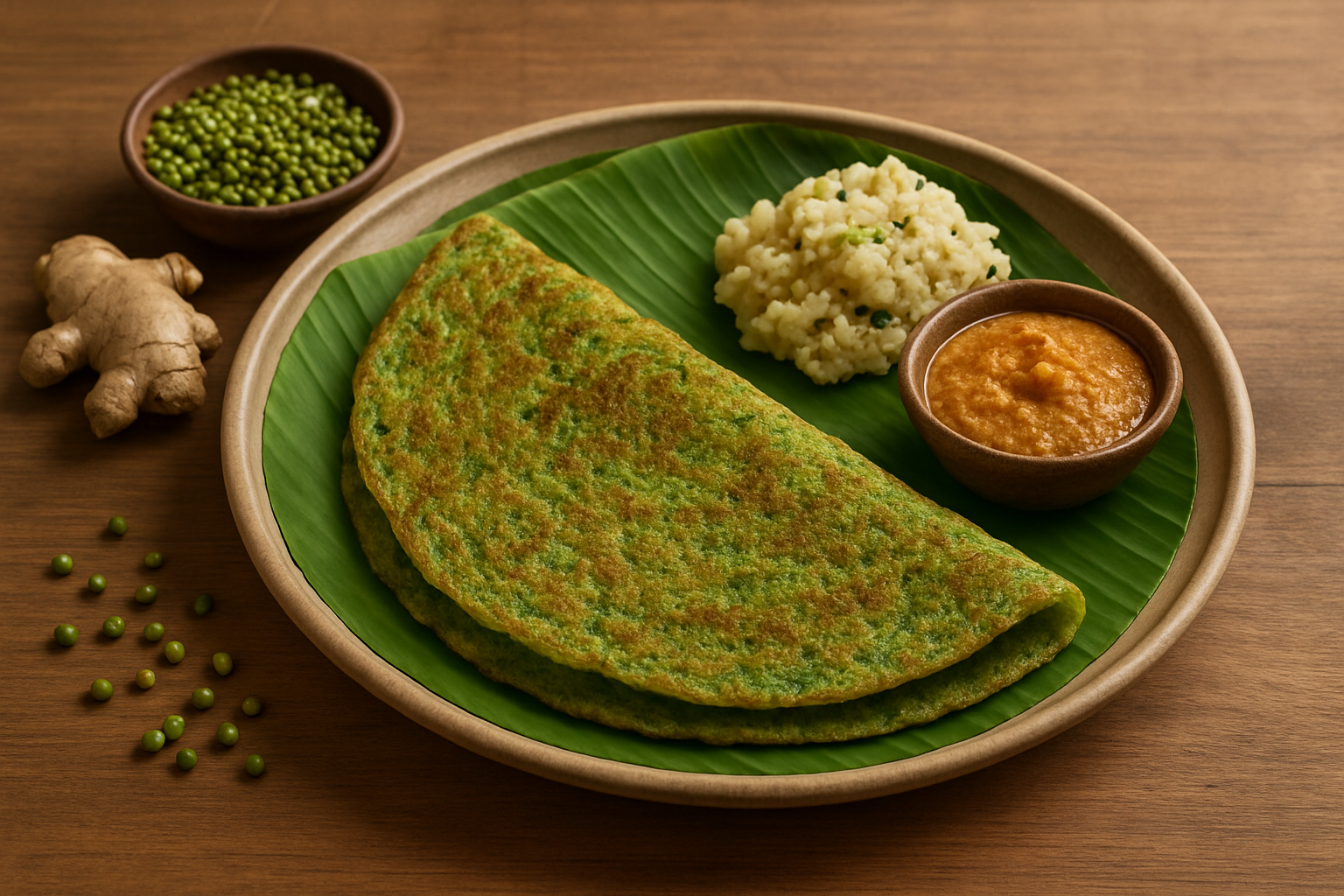
What Makes Pesarattu a Nutritional Powerhouse
The moong dal dosa, or pesarattu, is built around whole green moong dal — one of the most protein-dense legumes you can find. A single serving delivers a solid hit of plant-based protein, dietary fiber, and essential minerals like magnesium and potassium. Unlike many breakfast options, it keeps you full for hours without feeling heavy.
How Pesarattu Differs from Regular Dosas
| Feature | Pesarattu | Regular Dosa |
|---|---|---|
| Base ingredient | Whole green moong dal | Rice + urad dal |
| Fermentation needed | No | Yes (8–12 hours) |
| Prep time | 4–6 hours soaking | Overnight |
| Protein content | Higher | Moderate |
| Color | Natural green | White/golden |
Pesarattu skips fermentation entirely, making it a genuinely quick option without cutting corners on flavor or crispiness.
Why This Dish Deserves a Spot in Your Weekly Meal Plan
- Naturally gluten-free — great for sensitive stomachs
- Diabetes-friendly — low glycemic index from moong dal
- Versatile — works as breakfast, lunch, or a light dinner
- Budget-friendly — green moong dal is affordable and widely available
Once you nail the perfect pesarattu batter, this easy pesarattu recipe practically makes itself.
Choosing the Right Ingredients for the Best Results
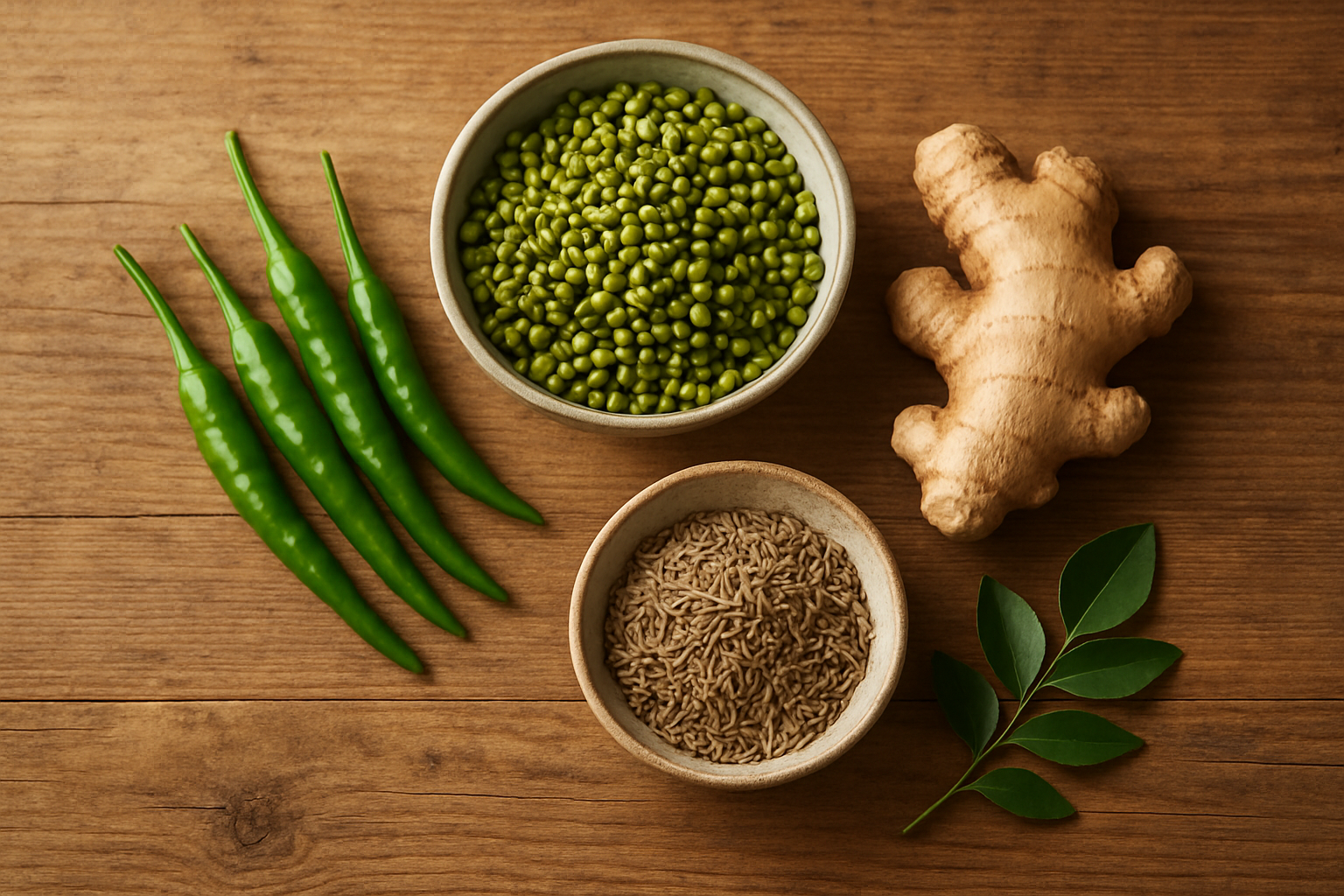
Selecting the Freshest Green Moong Dal for Optimal Flavor
Whole green moong dal is the backbone of any great pesarattu recipe. Always pick dal that’s:
- Bright green with no yellowing or dullness
- Uniform in size — broken or shriveled lentils affect batter texture
- Dry and odor-free — any musty smell means it’s old
Fresh moong dal soaks up water evenly and blends into a smoother, creamier batter that crisps up beautifully on the pan.
Essential Supporting Ingredients That Elevate the Taste
These ingredients transform a basic moong dal dosa into a truly flavorful green moong dal crepe:
| Ingredient | Purpose |
|---|---|
| Green chilies | Heat and depth |
| Fresh ginger | Warmth and digestive boost |
| Cumin seeds | Earthy aroma |
| Rice (handful) | Extra crispiness |
| Salt | Balances everything |
Smart Substitutions for Dietary Needs and Preferences
- Skip rice for a fully grain-free, lower-carb version
- Use rock salt instead of regular salt for better mineral content
- Swap green chilies with black pepper for milder heat
Where to Source Authentic Ingredients Easily
Whole green moong dal is readily available at Indian grocery stores, online retailers like Amazon, or even larger supermarkets in the international foods aisle.
Mastering the Perfect Batter Consistency
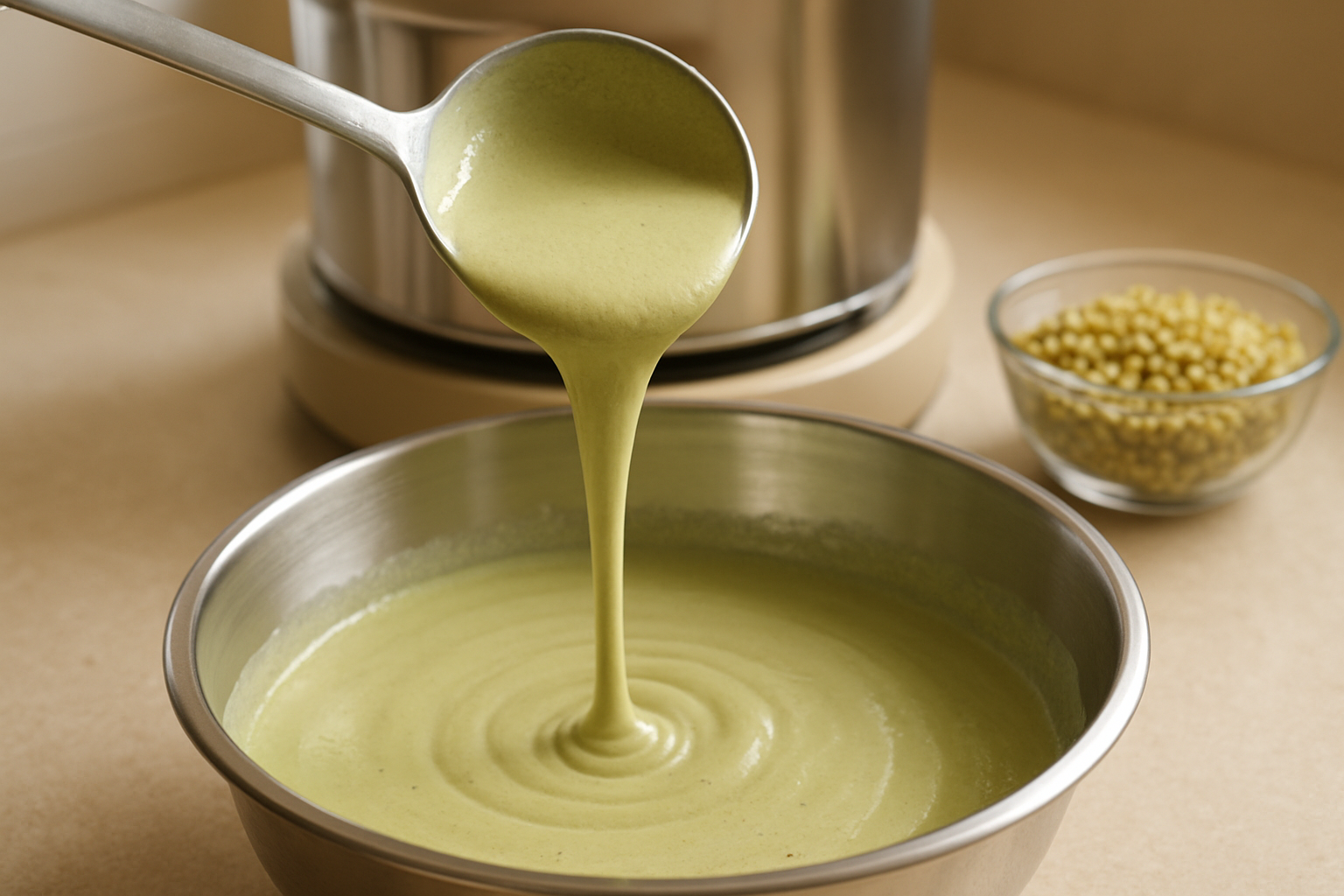
The Ideal Soaking Time for Soft and Crispy Pesarattu
Soak whole green moong dal for 6–8 hours or overnight. Shorter soaking produces a grainy batter, while longer soaking (up to 12 hours) makes grinding easier and improves crispiness.
Achieving the Right Batter Thickness Every Time
Your perfect pesarattu batter should flow like pancake batter — not too thick, not watery. A good test: pour a ladle on a flat surface; it should spread easily without tearing.
| Consistency | Result |
|---|---|
| Too thick | Dense, doughy crepe |
| Too thin | Tears while spreading |
| Just right | Thin, crispy edges |
Common Batter Mistakes and How to Avoid Them
- Skipping salt: Add salt after grinding, never before — it affects fermentation
- Over-blending: Generates heat, breaking down texture
- Too much water upfront: Add water gradually while grinding
How to Store Leftover Batter Without Losing Freshness
Refrigerate in an airtight container for up to 2 days. Stir well before using and adjust water if it thickens overnight.
Using a Blender vs. Wet Grinder for Best Results
| Tool | Best For |
|---|---|
| Wet grinder | Smoother, fluffier batter |
| High-speed blender | Quick, everyday batches |
A wet grinder gives noticeably crispier moong dal dosa, but a blender works perfectly fine for an easy pesarattu recipe for beginners.
Cooking Techniques for a Crispy and Flavorful Pesarattu
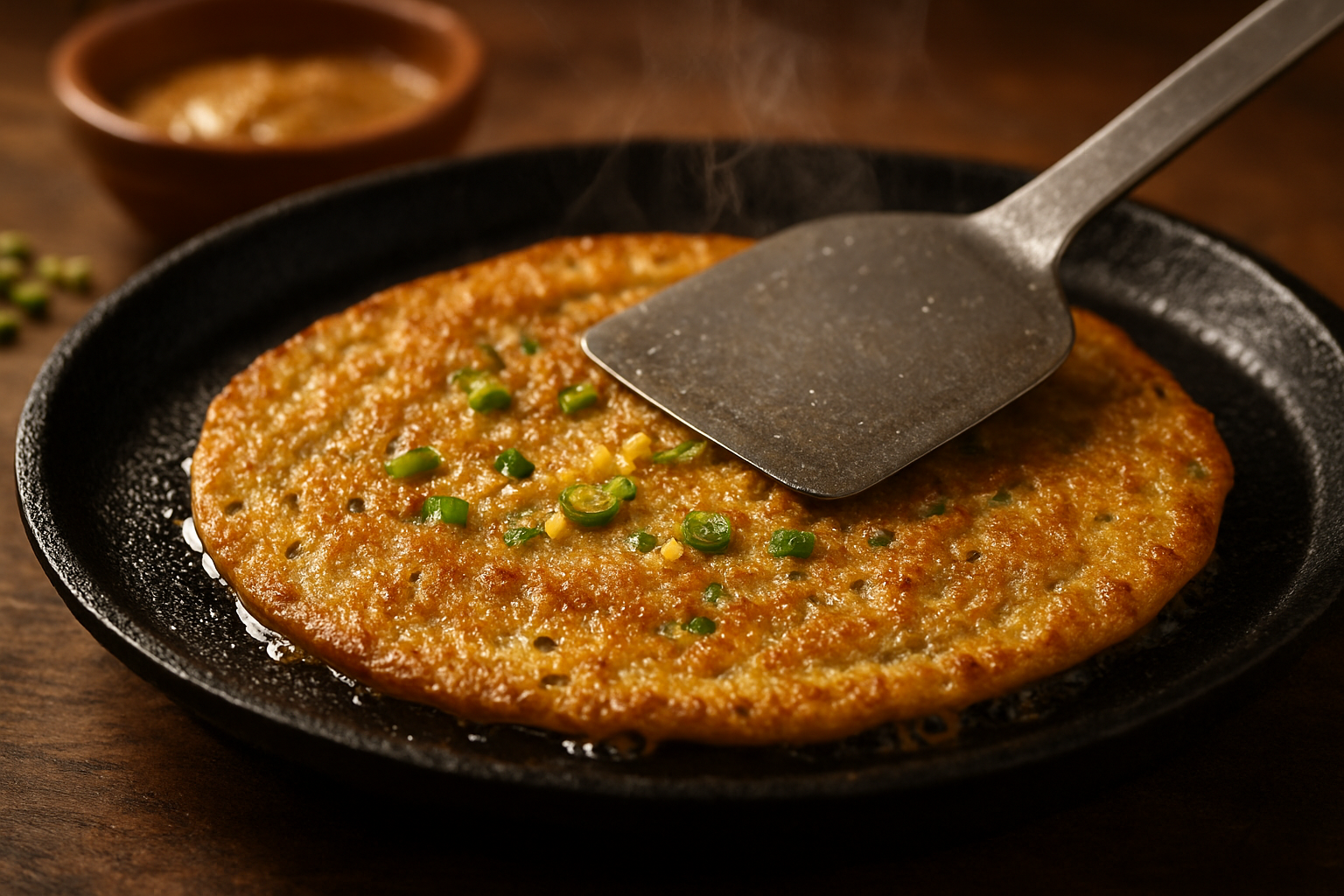
Choosing the Right Pan for an Even Golden Crisp
A cast iron skillet or a well-seasoned flat iron tawa gives the best results for crispy pesarattu. Non-stick pans work too, but cast iron retains heat beautifully, giving that signature golden crust moong dal dosas are known for.
Controlling Heat Levels to Prevent Burning or Undercooking
| Heat Level | Result |
|---|---|
| Too high | Burns edges, raw center |
| Too low | Pale, soft, chewy texture |
| Medium-high | Perfect golden crisp |
Start on medium-high heat, then dial back slightly once the batter hits the pan. Consistency here makes all the difference.
Spreading the Batter Thinly for Maximum Crunchiness
Pour batter at the center and spiral outward using the back of your ladle — just like making a dosa. Thin, even spreading is the secret to getting that satisfying crunch with every bite. A thick pour leads to a soft, undercooked center every time.
Knowing the Perfect Moment to Flip Your Pesarattu
Watch the edges — once they turn golden and start lifting naturally from the pan, the pesarattu is ready to flip. The surface should look matte and dry with no wet batter visible. One clean flip is all you need.
Delicious Filling and Topping Ideas to Enhance Every Bite
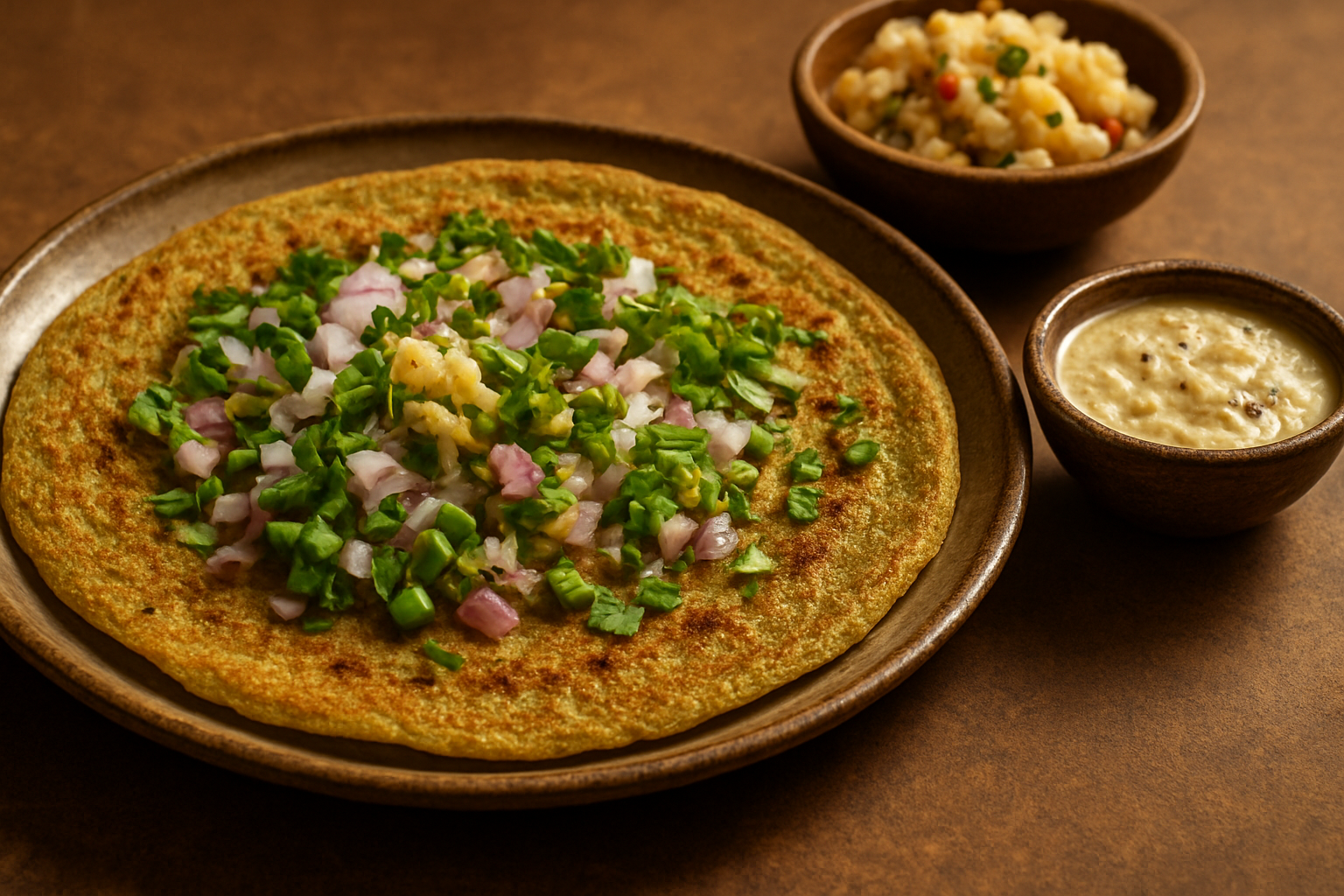
Classic Upma Stuffing That Pairs Beautifully with Pesarattu
Pesarattu with upma is a beloved Andhra combination that takes this green moong dal crepe to a whole new level. Make a slightly dry, well-seasoned upma using semolina, mustard seeds, curry leaves, onions, green chilies, and ginger. Spread it generously across the crepe just before folding — the contrast between the crispy pesarattu and soft, savory upma is genuinely addictive.
Creative Vegetable Fillings for a Nutritious Twist
- Spiced potato masala — similar to masala dosa filling, works wonderfully
- Paneer bhurji — crumbled cottage cheese sautéed with onions, tomatoes, and spices
- Mixed veggie stir-fry — carrots, cabbage, and peas tossed with cumin and turmeric
- Mushroom keema — finely chopped mushrooms cooked with garam masala
Each of these keeps the pesarattu recipe nutritious while adding exciting new flavors.
Toppings That Add Texture and Depth of Flavor
| Topping | What It Adds |
|---|---|
| Finely chopped onions | Fresh crunch and sharpness |
| Grated ginger | Warmth and aroma |
| Fresh cilantro | Brightness and color |
| Ghee drizzle | Rich, buttery depth |
| Crushed peppercorns | Subtle heat and bite |
Scatter these directly onto the batter while cooking for toppings that get beautifully embedded into your crispy pesarattu.
Serving Suggestions and Perfect Accompaniments
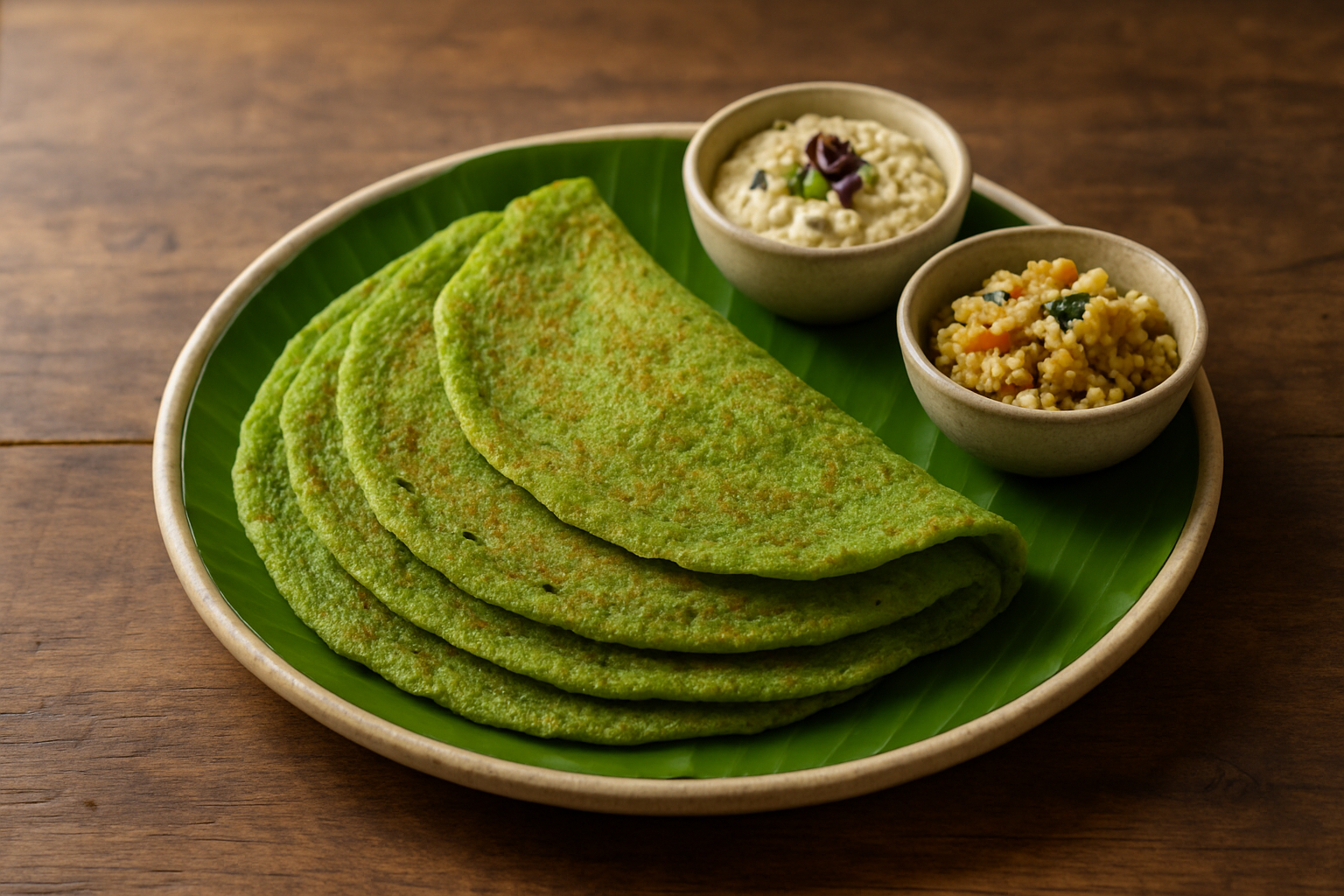
Traditional Chutneys That Complement Pesarattu Perfectly
The right pesarattu chutney transforms a good meal into a great one. These classics never miss:
- Coconut chutney – creamy, mild, and balances the earthiness of green moong dal
- Tomato chutney – tangy and slightly spiced, cuts through the richness beautifully
- Peanut chutney – nutty and thick, adds a satisfying depth
Pairing Pesarattu with Ginger Chutney for Authentic Flavor
Ginger chutney is the original partner for this moong dal dosa. Made with fresh ginger, tamarind, jaggery, and dried red chilies, it brings a sharp, warming kick that makes every bite pop. Andhra-style ginger chutney especially makes your crispy pesarattu taste completely authentic.
Ideal Beverages to Complete Your Pesarattu Meal
| Beverage | Why It Works |
|---|---|
| Filter coffee | Bold flavor cuts through the spice |
| Masala chai | Warm and comforting alongside a hot dosa |
| Buttermilk | Light and cooling, great for heavy fillings |
Presentation Tips That Make Every Serving Visually Appealing
- Serve on a banana leaf or dark plate for contrast
- Place chutney in small bowls rather than smearing
- Garnish with fresh cilantro and a lemon wedge
- Stack two pesarattus slightly overlapping for a restaurant-style look
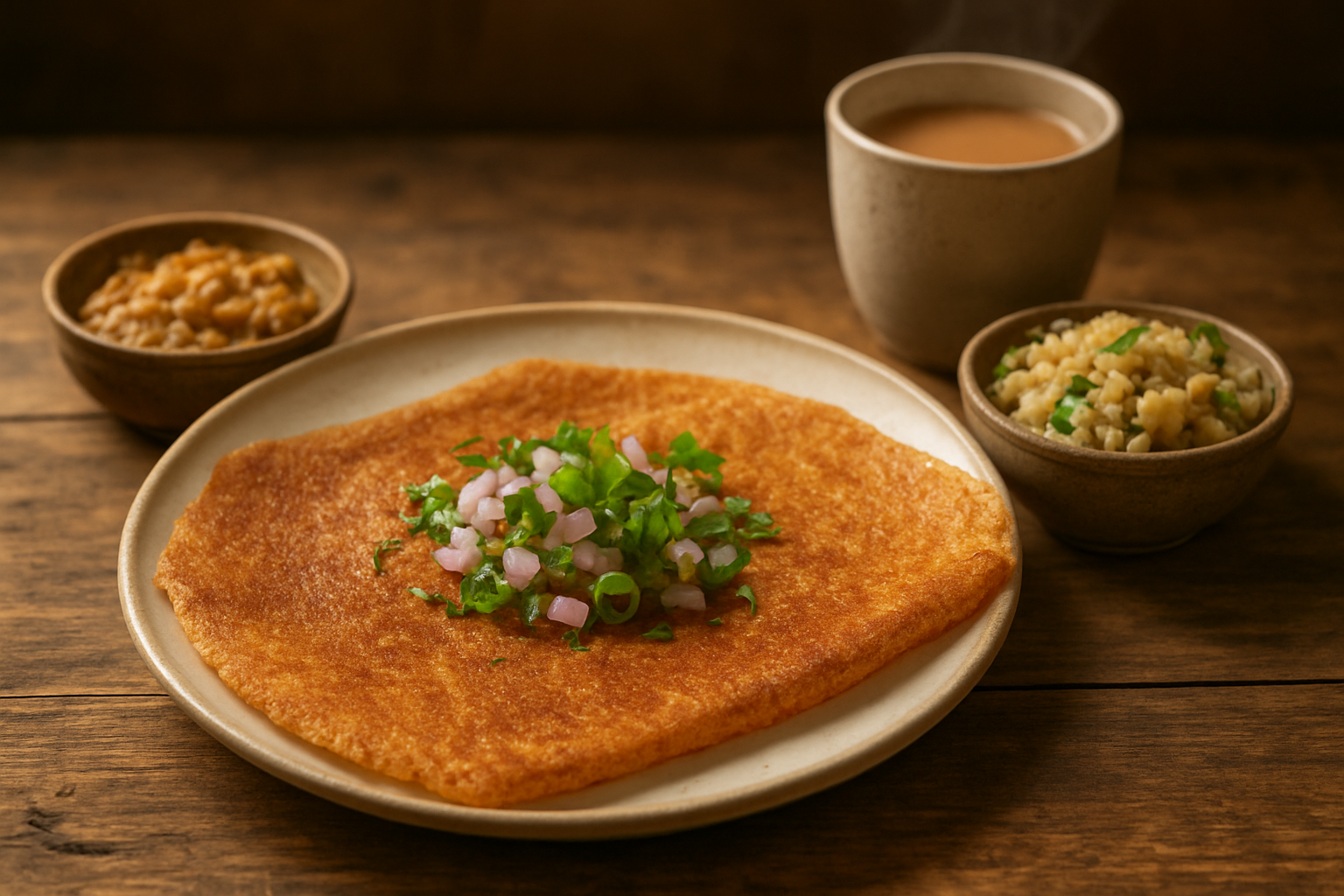
Making perfect pesarattu every single time really comes down to a few simple things — good quality green moong dal, the right batter consistency, and a hot, well-seasoned pan. Once you nail those basics, everything else falls into place. From choosing fresh ingredients to getting that satisfying crispy texture, each step builds on the last to give you a pesarattu that genuinely tastes like it came from a South Indian breakfast spot.
Now it’s your turn to get into the kitchen and give it a shot. Try out different fillings, pair it with ginger chutney or upma, and make it your own. The more you make it, the better it gets — and honestly, it’s one of those dishes that never gets old for breakfast, brunch, or even a light dinner.