



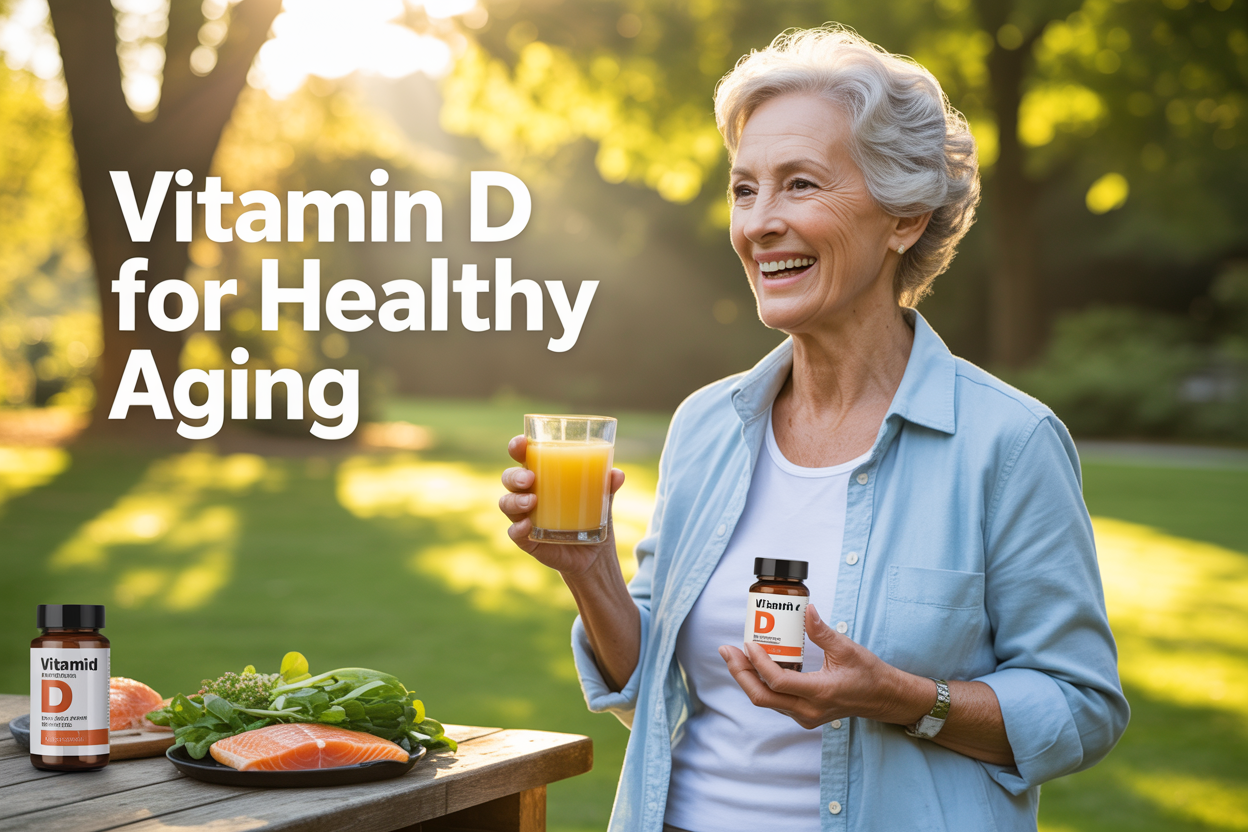
The Ultimate Guide to Vitamin D for Healthy Aging
If you’re over 50 and wondering why your energy feels off, your joints ache more than they used to, or your doctor keeps mentioning your bloodwork — vitamin D for seniors is probably already on your radar.
This guide is for older adults, caregivers, and anyone who wants to age well and actually feel good doing it. No complicated medical jargon, just straight answers.
Here’s what we’ll walk through together:
- How to spot the signs of vitamin D deficiency before they quietly chip away at your health
- The real benefits of keeping your vitamin D levels in the optimal range — from stronger bones to better mood and immune function
- How to choose between natural sources of vitamin D and the best vitamin D supplements for aging — because not every option works the same for every body
By the time you finish reading, you’ll know exactly where you stand, what to look for, and what steps to take next.
Table of Contents
Understanding Vitamin D and Its Role in the Aging Body
What Vitamin D Is and How It Works in Your Body
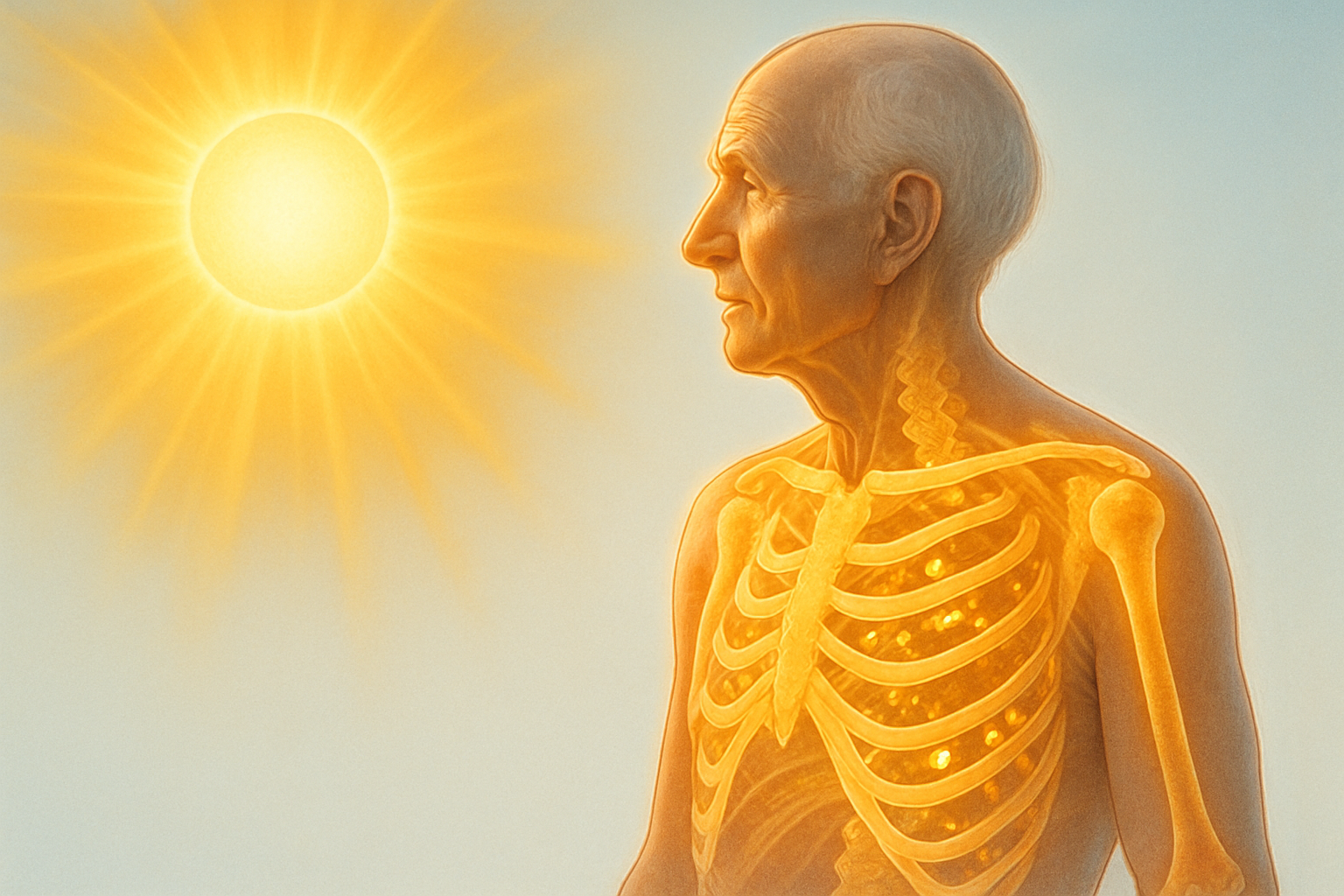
Vitamin D is technically a hormone, not a vitamin — though the name has stuck around for over a century. Your body produces it when ultraviolet B (UVB) rays from sunlight hit your skin, triggering a conversion process that starts in the skin and finishes in your liver and kidneys. The end result is a biologically active compound called calcitriol, which is the form your body actually puts to work.
Once active, calcitriol travels through your bloodstream and binds to vitamin D receptors (VDRs) found in nearly every tissue and organ in your body. This is what makes vitamin D so remarkably different from most nutrients — it doesn’t just do one job in one place. It acts more like a master switch, influencing hundreds of biological processes all at once.
Here’s a quick breakdown of how vitamin D moves through your body:
- Skin exposure to UVB sunlight converts a cholesterol compound (7-dehydrocholesterol) into vitamin D3 (cholecalciferol)
- The liver converts D3 into 25-hydroxyvitamin D — the form measured in blood tests
- The kidneys convert it further into 1,25-dihydroxyvitamin D (calcitriol) — the fully active hormonal form
- Calcitriol binds to VDRs in organs, muscles, immune cells, the brain, and more
You can also get vitamin D through food and supplements, where it comes in two main forms:
| Form | Source | Notes |
|---|---|---|
| Vitamin D2 (ergocalciferol) | Plant-based, fortified foods | Less potent, shorter-lasting |
| Vitamin D3 (cholecalciferol) | Animal-based, sunlight | More effective at raising blood levels |
D3 is generally considered the better option for raising and maintaining blood levels, which is worth keeping in mind when choosing a supplement.
Why Vitamin D Becomes More Critical as You Age
The older you get, the harder it becomes for your body to maintain healthy vitamin D levels — and the consequences of falling short become more serious at the same time. That’s a double-edged situation that makes vitamin D for seniors one of the most important nutritional conversations to have.
Here’s the reality: as you age, your baseline need for vitamin D doesn’t shrink. If anything, many experts argue it grows, because your body becomes less efficient at producing and processing it while your risk for vitamin D-related health problems goes up significantly.
A few reasons why aging shifts the stakes:
- Bone density naturally decreases with age, and vitamin D is essential for calcium absorption — without it, bones get weaker faster
- Muscle function declines, and vitamin D plays a direct role in maintaining muscle strength and coordination, which affects fall risk
- Immune function changes as you age, and vitamin D is a key regulator of immune response — low levels are linked to increased susceptibility to infections and inflammatory conditions
- Chronic disease risk rises, and vitamin D deficiency in older adults has been associated with higher rates of cardiovascular disease, diabetes, cognitive decline, and certain cancers
The National Institutes of Health recommends 600 IU of vitamin D per day for adults up to age 70, and 800 IU for those over 70. However, many geriatric health specialists suggest that older adults often need significantly more than these baseline figures to actually reach optimal vitamin D levels — particularly those with limited sun exposure, darker skin tones, or absorption challenges.
Key Functions of Vitamin D Beyond Bone Health
Most people know vitamin D matters for bones, but that’s only scratching the surface. The vitamin D receptors scattered throughout your body tell a much bigger story about what this nutrient is actually responsible for.
Muscle Strength and Fall Prevention
Vitamin D directly influences muscle fiber function, particularly the fast-twitch fibers responsible for quick, stabilizing movements. When levels drop, muscle weakness and poor balance follow — which dramatically increases fall risk in older adults. Falls are the leading cause of injury-related death in people over 65, making this connection critically important.
Immune System Regulation
Vitamin D helps activate T-cells (your immune system’s front-line defenders) and regulates inflammatory responses. Low levels are consistently linked to:
- Higher rates of respiratory infections
- Increased autoimmune activity
- Slower wound healing
- Elevated inflammatory markers like C-reactive protein (CRP)
Cardiovascular Health
Research links low vitamin D levels to higher blood pressure, arterial stiffness, and increased risk of heart disease. Vitamin D appears to influence the renin-angiotensin system, which regulates blood pressure — making it a factor in heart health that often flies under the radar.
Brain Health and Mood
Vitamin D receptors are found throughout the brain, including in regions that regulate mood, memory, and cognition. Studies consistently show a correlation between vitamin D deficiency in older adults and:
- Higher rates of depression
- Increased risk of cognitive decline and dementia
- Poorer performance on memory and attention tasks
Blood Sugar Regulation
Vitamin D plays a role in insulin secretion and sensitivity. Low levels are associated with a higher risk of developing type 2 diabetes — a condition already more prevalent in older populations.
Cancer Risk Reduction
Higher vitamin D levels have been associated with reduced risk of colorectal, breast, and prostate cancers in multiple large-scale studies, though research in this area is still evolving.
Here’s a snapshot of vitamin D’s reach across the body:
| Body System | Vitamin D’s Role |
|---|---|
| Skeletal | Calcium absorption, bone mineralization |
| Muscular | Fiber function, strength, coordination |
| Immune | T-cell activation, inflammation regulation |
| Cardiovascular | Blood pressure regulation, arterial health |
| Neurological | Mood regulation, cognitive function |
| Endocrine | Insulin sensitivity, blood sugar control |
| Oncological | Cell growth regulation, cancer risk reduction |
How Aging Affects Your Body’s Ability to Produce Vitamin D
This is where things get genuinely surprising for a lot of people. You might assume that spending time outdoors as a healthy older adult would keep your vitamin D levels in good shape. But the biology of aging works against that assumption in several concrete ways.
Skin Changes Reduce Production Efficiency
Your skin contains a compound called 7-dehydrocholesterol, which is the raw material that sunlight converts into vitamin D. By the time you reach your 70s, your skin contains roughly 75% less of this compound compared to when you were in your 20s. That means even with identical sun exposure, an older adult produces dramatically less vitamin D from the same amount of sunlight.
Kidney Function Naturally Declines
Remember that the kidneys are responsible for the final conversion step — turning 25-hydroxyvitamin D into the active calcitriol. As kidney function gradually decreases with age (a completely normal process), this conversion becomes less efficient, meaning even adequate blood levels of vitamin D don’t always translate into optimal active hormone levels.
Less Time Outdoors
Older adults, particularly those with mobility challenges or who live in care facilities, simply spend less time in direct sunlight. And indoor light — no matter how bright it seems — does not contain the UVB wavelengths needed to trigger vitamin D production in the skin.
Reduced Absorption from Food and Supplements
Changes in the gastrointestinal tract that come with aging — including reduced stomach acid production and changes in gut motility — can impair how well vitamin D is absorbed from both food and supplements.
Geographic and Seasonal Factors Hit Harder
The sun’s angle relative to Earth affects the strength of UVB rays. People living above roughly the 35th parallel (which includes much of the northern United States, Canada, and Europe) can’t produce meaningful amounts of vitamin D from sunlight for several months of the year — meaning older adults in these regions are particularly vulnerable during fall and winter months.
Clothing and Sunscreen Use
Sun protection habits — while absolutely important for skin cancer prevention — also reduce vitamin D synthesis. An SPF of just 15 blocks approximately 99% of vitamin D production in the skin. For older adults who have been diligent about sun protection throughout their lives, this compounds the challenge.
All of these factors working together explain why vitamin D deficiency in older adults is so widespread, even among people who eat well and spend reasonable time outdoors. It’s not a failure of effort — it’s biology, and understanding it is the first step toward addressing it effectively.
Recognizing the Signs of Vitamin D Deficiency in Older Adults

Common Symptoms That Are Easy to Overlook
Vitamin D deficiency in older adults often creeps up quietly. The symptoms don’t always announce themselves loudly — instead, they blend in with what many people chalk up to “just getting older.” That’s exactly why so many cases go undetected for years.
Here are the signs that deserve a closer look:
- Persistent fatigue and low energy — Feeling tired even after a full night’s sleep is one of the most common complaints among older adults with low vitamin D. It’s easy to blame age, but this kind of bone-deep exhaustion often has a nutritional root.
- Bone pain and general achiness — Dull, aching pain in the back, hips, or legs that doesn’t have a clear orthopedic cause can be a red flag. Vitamin D is critical for calcium absorption, and without it, bones can become soft and painful — a condition called osteomalacia.
- Muscle weakness — Difficulty getting up from a chair, climbing stairs, or carrying groceries can signal that muscles aren’t getting the support they need. Vitamin D receptors are found in muscle tissue, and deficiency directly impacts muscle function.
- Low mood or mild depression — Research has consistently linked low vitamin D levels to depressive symptoms, particularly in older adults. Seasonal shifts in mood may also be tied to reduced sun exposure and, in turn, lower vitamin D production.
- Frequent illness or slow recovery — The immune system relies heavily on vitamin D. Seniors who seem to catch every cold going around or take longer than expected to bounce back from infections may be running low.
- Hair thinning — While hair loss has many causes, some studies connect severe vitamin D deficiency with increased shedding and reduced hair follicle cycling.
- Brain fog and difficulty concentrating — Cognitive sluggishness, trouble staying focused, or memory lapses can have multiple causes, but vitamin D deficiency has been increasingly flagged as a contributing factor.
The tricky part? Many of these symptoms overlap with other conditions common in aging — hypothyroidism, anemia, arthritis, or even medication side effects. That’s why identifying signs of vitamin D deficiency requires looking at the full picture, not just one symptom in isolation.
Health Conditions Linked to Long-Term Deficiency
When vitamin D levels stay low for months or years without correction, the consequences go well beyond tiredness and achy joints. Chronic deficiency has been linked to a range of serious health conditions that disproportionately affect the aging population.
Bone and Musculoskeletal Conditions
| Condition | How Vitamin D Deficiency Contributes |
|---|---|
| Osteoporosis | Reduced calcium absorption leads to bone density loss over time |
| Osteomalacia | Softening of bone tissue due to impaired mineralization |
| Sarcopenia | Accelerated muscle mass loss, increasing frailty |
| Increased fracture risk | Weaker bones combined with poor muscle coordination raises fall and fracture rates |
Osteoporosis is already a major concern for seniors, and vitamin D deficiency accelerates the process. Studies show that maintaining optimal vitamin D levels for adults significantly slows bone density decline and reduces fracture risk — particularly hip fractures, which can be life-altering for older individuals.
Cardiovascular Health
Low vitamin D has been associated with higher rates of hypertension, heart disease, and stroke. Vitamin D helps regulate inflammation and plays a role in blood pressure control. While research is still evolving in this area, consistently low levels appear to raise cardiovascular risk — something no one approaching or in their senior years wants working against them.
Immune System Dysfunction
Vitamin D is a key regulator of both innate and adaptive immune responses. Long-term deficiency has been connected to:
- Higher susceptibility to respiratory infections
- Increased risk of autoimmune conditions like rheumatoid arthritis and multiple sclerosis
- Slower recovery from illness and surgical procedures
Cognitive Decline and Dementia
This is one of the more alarming areas of emerging research. Multiple large-scale studies have found that older adults with low vitamin D levels have a significantly higher risk of developing Alzheimer’s disease and other forms of dementia. The exact mechanisms are still being studied, but vitamin D appears to help clear amyloid plaques in the brain and support neurotransmitter function.
Type 2 Diabetes
Vitamin D plays a role in insulin secretion and sensitivity. Deficiency has been linked to impaired glucose metabolism and a higher likelihood of developing type 2 diabetes — a condition already prevalent among seniors.
Depression and Mental Health
Beyond occasional low mood, chronic vitamin D deficiency has been associated with clinical depression in older adults. Vitamin D receptors exist throughout the brain, including in regions that regulate mood and emotional processing. Addressing deficiency won’t replace professional mental health care, but it can be a meaningful piece of the puzzle.
Who Is Most at Risk Among the Aging Population
Not every older adult faces the same level of risk when it comes to vitamin D deficiency. Certain factors stack the odds against some seniors far more than others.
Age Itself
Skin becomes less efficient at synthesizing vitamin D from sunlight with each passing decade. By age 70, the skin produces roughly 75% less vitamin D from sun exposure compared to younger adults. On top of that, the kidneys — which convert vitamin D into its active form — also become less effective with age.
Limited Sun Exposure
Many older adults spend the majority of their time indoors, especially those who:
- Live in assisted living or nursing facilities
- Reside in northern latitudes with limited sunlight during winter months
- Have mobility issues that restrict outdoor activity
- Avoid sun exposure due to skin cancer concerns or heat sensitivity
Even among seniors who do go outside, the routine use of sunscreen (which is absolutely still recommended for skin health) significantly reduces vitamin D synthesis.
Darker Skin Tone
Melanin, the pigment responsible for darker skin, naturally reduces the skin’s ability to produce vitamin D from sunlight. Older adults with darker complexions need substantially more sun exposure to generate the same amount of vitamin D as those with lighter skin — making dietary and supplemental sources especially critical.
Obesity
Fat tissue absorbs and sequesters vitamin D, pulling it out of the bloodstream and reducing its availability throughout the body. Seniors with a higher body mass index tend to have lower circulating vitamin D levels even when their intake appears adequate. Vitamin D dosing in this group often needs to be higher to compensate.
Digestive and Absorption Issues
Vitamin D is fat-soluble, which means it requires dietary fat for proper absorption. Older adults dealing with conditions like:
- Crohn’s disease
- Celiac disease
- Inflammatory bowel disease
- Post-bariatric surgery changes
- Chronic liver or kidney disease
…are at a significantly higher risk of deficiency because their bodies struggle to absorb or convert vitamin D properly, regardless of how much they consume.
Certain Medications
Several commonly prescribed medications interfere with vitamin D metabolism, including:
- Corticosteroids (like prednisone)
- Anticonvulsants (like phenytoin or phenobarbital)
- Cholesterol-lowering medications (some statins)
- Weight-loss drugs (like orlistat)
Seniors on long-term medications should have a conversation with their doctor about whether their prescriptions might be affecting their vitamin D levels.
Low Dietary Intake
Older adults often eat less overall due to reduced appetite, difficulty chewing, or economic constraints. When caloric intake drops, so does the consumption of vitamin D-rich foods. Those following strict plant-based diets without careful planning are particularly vulnerable, since most natural dietary sources of vitamin D come from animal products.
The bottom line is that vitamin D deficiency in older adults isn’t random. Specific lifestyle factors, health conditions, and biological changes make some seniors dramatically more vulnerable — and those individuals deserve proactive screening and targeted support before deficiency takes a deeper toll.
Proven Health Benefits of Optimal Vitamin D Levels for Seniors
Stronger Bones and Reduced Fracture Risk
Bone health is one of the most well-documented vitamin D benefits for elderly adults, and for good reason. As we age, our bones naturally lose density — a process called osteoporosis — which makes fractures increasingly common and dangerous. A hip fracture in a person over 70 can be life-altering, sometimes triggering a cascade of health complications that are hard to recover from.
Here’s where vitamin D steps in as a true game-changer. It works alongside calcium to regulate how much of that mineral actually gets absorbed in the gut. Without enough vitamin D, your body can only absorb about 10–15% of the calcium you eat. With optimal vitamin D levels for adults, that absorption rate jumps to 30–40%. That’s a massive difference when you’re trying to keep bones strong.
Key bone-related benefits of adequate vitamin D for seniors include:
- Increased calcium absorption from food and supplements
- Stimulation of osteoblasts — the cells responsible for building new bone tissue
- Reduced risk of osteoporosis and bone thinning over time
- Lower rates of hip, spine, and wrist fractures, which are the most common fracture sites in older adults
- Slower bone density loss, particularly in post-menopausal women who are at highest risk
Research has shown that seniors with vitamin D deficiency in older adults are significantly more likely to experience fractures compared to those with healthy levels. A landmark meta-analysis published in the New England Journal of Medicine found that vitamin D supplementation combined with calcium reduced hip fractures in older adults by up to 25%.
The takeaway? Keeping your vitamin D levels in the optimal range isn’t just about feeling good — it’s one of the most practical things you can do to protect your skeleton as you age.
Better Muscle Function and Fall Prevention
Most people think of vitamin D purely as a bone nutrient, but its role in muscle function is equally important — especially for older adults trying to stay active and independent.
Vitamin D receptors are found in muscle tissue throughout the body. When those receptors aren’t getting enough vitamin D, muscles don’t contract and coordinate as efficiently as they should. The result? Weakness, slower reaction times, and a higher chance of stumbling or losing balance — all of which dramatically increase fall risk.
Falls are actually the leading cause of injury-related death in adults over 65 in the United States. And while many factors contribute to falls, vitamin D deficiency in older adults is one of the most preventable ones.
Here’s what the research tells us about vitamin D and muscle health:
| Benefit | What It Means for Seniors |
|---|---|
| Improved muscle strength | Better ability to perform daily tasks like climbing stairs or carrying groceries |
| Faster muscle reaction time | Quicker reflexes to catch balance before a fall happens |
| Reduced muscle pain | Less chronic discomfort that can limit movement and activity |
| Better coordination | More fluid movement and less stumbling |
| Lower fall frequency | Studies show up to 19% reduction in fall risk with adequate vitamin D |
One study published in the Journal of the American Geriatrics Society found that older adults who supplemented with vitamin D experienced a statistically significant reduction in falls compared to those who did not. The benefits were most pronounced in those who started out deficient.
If you or a loved one has noticed increasing shakiness, difficulty getting up from a chair, or more frequent stumbles, low vitamin D could be part of the picture worth investigating.
Sharper Cognitive Health and Reduced Dementia Risk
The connection between vitamin D for seniors and brain health is one of the most exciting — and still-evolving — areas of research. What scientists have pieced together over the past two decades paints a compelling picture.
Vitamin D receptors are found throughout the brain, including in areas heavily linked to memory and cognition, like the hippocampus and prefrontal cortex. Vitamin D appears to play a protective role in the brain by:
- Reducing neuroinflammation, which is a major driver of cognitive decline
- Supporting the clearance of amyloid plaques, the protein buildups associated with Alzheimer’s disease
- Regulating neurotransmitters like serotonin and dopamine that affect mood and mental sharpness
- Protecting against oxidative stress in brain cells
- Promoting nerve growth factor (NGF) production, which supports the survival of neurons
A large-scale study published in Neurology tracked over 1,600 adults for six years and found that those who were severely deficient in vitamin D were more than twice as likely to develop Alzheimer’s disease or dementia compared to those with adequate levels.
Another study from the University of Exeter followed nearly 1,700 adults and found that dementia risk was 53% higher in those with moderate deficiency and 125% higher in those with severe deficiency — remarkable numbers.
Now, it’s important to be realistic: vitamin D isn’t a cure or a guaranteed shield against dementia. But given how common vitamin D deficiency in older adults is — and how relatively easy it is to address — making sure levels are in a healthy range is a smart, low-risk move for brain health.
Practical tip: If there’s a family history of Alzheimer’s or you’ve noticed memory lapses that concern you, adding vitamin D testing for seniors to your annual bloodwork is an easy first step.
Boosted Immune System to Fight Illness
Getting sick more often as you age isn’t just bad luck — it’s partly a biological reality. The immune system naturally weakens over time in a process called immunosenescence. But low vitamin D levels accelerate that weakening, leaving older adults more vulnerable to infections, longer recovery times, and more serious complications.
Vitamin D plays a direct role in immune function in several important ways:
- Activates T-cells and B-cells, the specialized immune cells that identify and destroy pathogens
- Stimulates production of antimicrobial proteins like defensins and cathelicidins that attack bacteria and viruses
- Regulates the inflammatory response, preventing the kind of dangerous overreaction (cytokine storm) seen in severe infections
- Strengthens the physical barriers of respiratory and gut lining cells, making it harder for pathogens to get in
For older adults specifically, adequate vitamin D levels have been linked to:
- Lower rates of respiratory infections including influenza and pneumonia
- Reduced severity and duration of illness when infections do occur
- Better response to vaccines (a particularly relevant benefit for seniors getting annual flu shots)
- Lower risk of autoimmune flare-ups, which become more common with age
The COVID-19 pandemic brought intense focus to this connection. Multiple large-scale analyses found consistent correlations between low vitamin D levels and worse COVID-19 outcomes, including higher rates of ICU admission and mortality — particularly in older adults.
For vitamin D for seniors who want to stay healthy through cold and flu season and beyond, maintaining optimal levels isn’t just smart — it’s one of the simplest immune support strategies available.
Improved Mood and Lower Risk of Depression
Depression is far too common in older adults and often goes unrecognized or untreated. While it’s a complex condition with many contributing factors, vitamin D deficiency has emerged as a significant and underappreciated piece of the puzzle.
The relationship between vitamin D and mood isn’t just theoretical. Vitamin D receptors are densely located in the same areas of the brain that regulate emotions and stress responses, including the amygdala, hippocampus, and cingulate cortex. Vitamin D also directly influences the production of serotonin — the neurotransmitter most commonly associated with feelings of well-being and happiness.
When vitamin D levels drop too low, the brain’s ability to regulate mood takes a real hit. This shows up as:
- Persistent low mood or sadness that doesn’t have a clear cause
- Increased feelings of anxiety and emotional fragility
- Low motivation and fatigue, which are often mistaken for “just getting older”
- Social withdrawal and loss of interest in activities once enjoyed
- Seasonal mood changes that worsen in winter months when sun exposure drops
Research has backed this up convincingly. A meta-analysis of 31 studies published in The British Journal of Psychiatry found that low vitamin D was significantly associated with depression across all age groups — with older adults showing particularly strong associations.
Another randomized controlled trial found that older adults who took vitamin D supplements for 12 months reported meaningfully lower depression scores compared to those who took a placebo, even when controlling for other variables.
Here’s an important nuance: Vitamin D isn’t a replacement for professional mental health treatment or antidepressant therapy when those are genuinely needed. But if someone is experiencing low mood alongside other signs of vitamin D deficiency — fatigue, aches, frequent illness — getting their levels tested is a logical and non-invasive starting point.
The mood-vitamin D connection is especially relevant for seniors living in northern climates, those who spend most of their time indoors, or those in care facilities with limited sun exposure. For these groups, supplementation can make a genuinely noticeable difference in day-to-day emotional well-being.
Best Natural Sources of Vitamin D for Older Adults
Safe Sun Exposure Strategies for Seniors
Sunlight is still one of the most powerful and accessible natural sources of vitamin D for seniors — but getting it right matters more as you get older. Here’s the thing: aging skin is significantly less efficient at producing vitamin D from UV rays. By the time you’re 70, your skin produces roughly 75% less vitamin D from sun exposure than it did in your 20s. That’s a big drop, which means seniors need to be smarter and more intentional about sun time.
How Much Sun Do Older Adults Actually Need?
Most older adults benefit from 10 to 30 minutes of midday sun exposure several times per week, with arms, legs, or back exposed (not just hands and face). The exact amount depends on:
- Skin tone — Darker skin requires longer sun exposure to produce the same amount of vitamin D
- Geographic location — Living north of the 37th parallel (think Chicago, Denver, or anywhere in Canada) means you’re getting little to no UVB rays from October through March
- Time of day — The sun needs to be at least 45 degrees above the horizon for UVB rays to reach you effectively; midday (10 a.m. to 2 p.m.) is the sweet spot
- Season — Summer sun is dramatically more effective than winter sun, even in warmer climates
Smart Sun Safety Tips for Seniors
Getting sun doesn’t mean throwing caution to the wind. Older adults have more sensitive skin and a higher risk of skin damage, so balance is key.
- Skip the sunscreen for the first 10–15 minutes of short exposures (then apply SPF 30+ to prevent burning)
- Expose larger skin surface areas rather than relying on just face and hands — wear shorts or a tank top when possible
- Avoid peak burn hours if you’re going to be outdoors for longer than 20–30 minutes
- Monitor medications — some common prescriptions, including diuretics and certain blood pressure drugs, increase photosensitivity
- Check your shadow — if your shadow is shorter than you are, the sun is high enough to produce vitamin D
One practical approach: spend your first 10–15 minutes of your morning walk in the sun without sunscreen, then apply it before heading back indoors. Simple, safe, and effective.
Top Vitamin D Rich Foods to Add to Your Diet
Diet alone is rarely enough to fully meet vitamin D needs for older adults, but the right foods can meaningfully contribute to your daily levels. Knowing which foods pack the most vitamin D per serving helps you make smarter choices every day.
Best Food Sources of Vitamin D
| Food | Serving Size | Vitamin D Content (IU) |
|---|---|---|
| Salmon (wild-caught) | 3.5 oz (100g) | 600–1,000 IU |
| Swordfish | 3 oz (85g) | ~566 IU |
| Rainbow trout (farmed) | 3 oz (85g) | ~645 IU |
| Canned tuna (in water) | 3 oz (85g) | ~150 IU |
| Sardines (canned in oil) | 2 sardines | ~46 IU |
| Egg yolks | 1 large egg | ~40 IU |
| Beef liver | 3 oz (85g) | ~42 IU |
| Cod liver oil | 1 tablespoon | ~1,360 IU |
| Mushrooms (UV-exposed) | ½ cup | 200–400 IU |
A Few Things Worth Knowing About These Foods
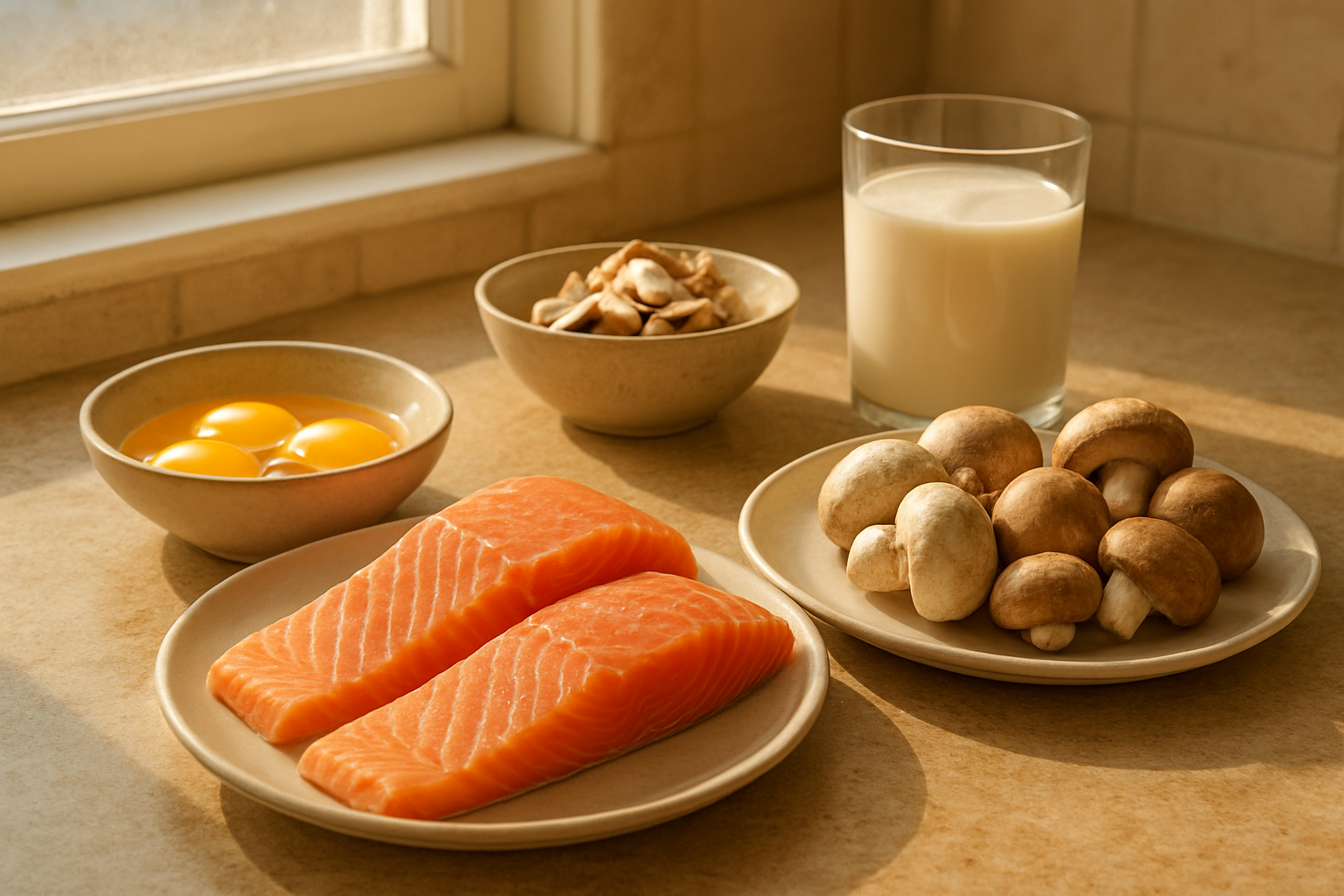
Fatty fish is your best bet. Wild-caught salmon, trout, and swordfish are head and shoulders above most other whole foods when it comes to vitamin D content. If you can get fresh wild-caught salmon on your plate two or three times a week, you’re making a real dent in your vitamin D needs.
Farmed vs. wild matters. Wild-caught fish consistently contain more vitamin D than their farmed counterparts. Farmed salmon, for example, can have two to five times less vitamin D depending on what the fish were fed.
Cod liver oil is a powerhouse — but use it carefully. One tablespoon delivers over 1,300 IU of vitamin D, but it’s also high in vitamin A, which can become toxic at high doses. If you take a separate vitamin A supplement, talk to your doctor before adding cod liver oil regularly.
Mushrooms are the only plant-based source worth mentioning. Standard mushrooms grown in the dark contain very little vitamin D. However, mushrooms exposed to UV light (either sunlight or UV lamps) can produce meaningful amounts of vitamin D2. Look for “UV-exposed” on the label, or place your mushrooms gill-side up in direct sunlight for 15–30 minutes before cooking.
Egg yolks contribute, but modestly. At around 40 IU per egg, eggs won’t carry your vitamin D intake on their own. Still, they’re an easy, everyday food that adds to your overall intake — especially for seniors who eat eggs regularly for breakfast.
Fortified Foods That Can Help Fill the Gap
Because natural food sources of vitamin D are relatively limited, many common everyday foods have been fortified to help people meet their needs. For older adults who may have dietary restrictions, food preferences, or limited sun exposure, fortified foods can be a genuinely useful piece of the puzzle.
Common Fortified Foods and Their Vitamin D Content
| Fortified Food | Typical Serving | Approximate Vitamin D (IU) |
|---|---|---|
| Cow’s milk (fortified) | 1 cup (8 oz) | 115–130 IU |
| Plant-based milk (soy, almond, oat) | 1 cup (8 oz) | 100–150 IU |
| Orange juice (fortified) | 1 cup (8 oz) | ~100 IU |
| Breakfast cereals (fortified) | 1 serving | 40–100 IU |
| Yogurt (fortified) | 6 oz | ~80 IU |
| Margarine | 1 tablespoon | ~60 IU |
How to Get the Most Out of Fortified Foods
- Check the label every time. Vitamin D content in fortified products can vary significantly between brands. A quick look at the Nutrition Facts panel keeps you informed.
- Plant-based milks vary widely. If you’ve switched to oat, almond, or soy milk, don’t assume it’s fortified — some brands skip it entirely. Always look for “vitamin D” in the ingredient list or nutrition panel.
- Fortified orange juice is a good option for non-dairy drinkers. It’s easy to fit into a morning routine and provides a modest but real contribution to daily intake.
- Don’t rely on fortified cereals as a primary source. Many breakfast cereals provide only 10–15% of the Daily Value per serving (about 80–120 IU), which is helpful but far from sufficient on its own.
- Pair fortified foods with a fat source. Vitamin D is fat-soluble, meaning your body absorbs it much better when consumed alongside dietary fat. Drinking fortified milk with a meal that contains some fat — or adding nuts to your fortified cereal — makes a real difference in how much your body actually absorbs.
Putting It All Together: A Realistic Daily Picture
Between safe sun exposure, vitamin D-rich foods, and fortified options, most older adults can realistically get 400–800 IU of vitamin D per day from natural sources. Given that many health experts recommend 800–2,000 IU daily for seniors, there’s often still a gap — which is where targeted supplementation becomes an important conversation to have with your healthcare provider.
Choosing the Right Vitamin D Supplement for Healthy Aging
Understanding the Difference Between Vitamin D2 and D3
When you walk into a pharmacy or health food store, you’ll notice that vitamin D supplements come in two main forms: D2 (ergocalciferol) and D3 (cholecalciferol). Knowing the difference between them matters more than most people realize.
Vitamin D2 is derived from plant sources and fungi. It’s been used in supplements and fortified foods for decades, and while it does raise your blood vitamin D levels, it doesn’t do so as efficiently as its counterpart.
Vitamin D3 is the form your skin naturally produces when exposed to sunlight. It’s typically sourced from lanolin (sheep’s wool) or, in vegan-friendly versions, from lichen. Research consistently shows that D3 is significantly more effective at raising and maintaining blood levels of 25-hydroxyvitamin D — the active marker tested in blood work.
| Feature | Vitamin D2 | Vitamin D3 |
|---|---|---|
| Source | Fungi, yeast, plants | Sunlight, animal-based, lichen |
| Effectiveness | Moderate | Superior |
| Stability | Less stable | More stable in the body |
| Vegan-friendly | Yes | Available (lichen-based) |
| Best for seniors | Secondary option | First choice |
For vitamin D for seniors, D3 is almost always the better pick. As the body ages, its ability to absorb and convert nutrients becomes less efficient, so choosing the most bioavailable form from the start makes a real difference.
Recommended Daily Dosage Guidelines for Older Adults
Dosage is one of the trickiest parts of vitamin D supplementation, and the outdated recommendations from decades past often leave older adults falling well short of what they actually need.
The official guidelines from bodies like the National Institutes of Health (NIH) suggest 600 IU per day for adults up to age 70 and 800 IU for those over 70. However, many nutrition researchers and clinicians working in geriatric health argue that these numbers are on the conservative side — particularly for people with limited sun exposure, darker skin tones, obesity, or existing deficiency.
Here’s a general breakdown that reflects what’s commonly discussed in clinical practice:
- Maintenance (healthy adults 50–70): 1,000–2,000 IU daily
- Adults over 70: 1,500–2,000 IU daily
- Correcting deficiency (under medical supervision): 4,000–10,000 IU daily for a defined period
- Tolerable upper limit (NIH): 4,000 IU daily for long-term use without medical oversight
The upper limit of 4,000 IU is considered safe for most adults based on current evidence, but going beyond that should always happen with a doctor’s guidance and regular blood testing. Vitamin D toxicity — while uncommon — is a real risk when very high doses are taken without monitoring.
The best approach? Get your blood levels tested first (more on that in the next section of this guide), and then work with your healthcare provider to find a dose that brings your levels into the optimal range of 40–60 ng/mL — which most functional medicine practitioners consider the sweet spot for healthy aging.
How to Choose a High Quality Supplement
Not all vitamin D supplements are created equal, and the supplement industry in many countries has far less regulation than the pharmaceutical world. That means what’s on the label doesn’t always match what’s in the bottle.
Here’s what to look for when choosing the best vitamin D supplements for aging:
Check for Third-Party Testing
Look for supplements that carry certification from independent testing organizations such as:
- USP (United States Pharmacopeia)
- NSF International
- ConsumerLab
- Informed Sport
These seals mean an outside lab has verified that the product actually contains what it claims to contain, at the dose listed, without harmful contaminants.
Opt for Vitamin D3 Over D2
As covered above, D3 is the preferred form for raising blood levels effectively. Make sure the label clearly says “cholecalciferol” or “vitamin D3.”
Pay Attention to the Delivery Format
Vitamin D is a fat-soluble vitamin, which means it absorbs best when taken with a meal that contains some fat. Many high-quality supplements come in:
- Softgel capsules containing oil (often olive or medium-chain triglyceride oil) — generally excellent absorption
- Liquid drops — easy to dose flexibly and great for anyone who struggles with swallowing pills
- Gummies — convenient, though watch for added sugars
- Tablets or capsules — take with a fat-containing meal for best results
Watch Out for Fillers and Additives
Some cheaper supplements are packed with artificial colorings, unnecessary preservatives, or allergens like gluten and soy. If you have sensitivities or follow a specific diet, always scan the “Other Ingredients” section of the label.
Consider the Brand’s Transparency
Reputable brands publish their testing results, provide clear contact information, and don’t make outrageous health claims. If a brand is hard to research or seems to overpromise results, that’s a red flag worth taking seriously.
Dosage Accuracy Matters
Some supplements list “vitamin D” without specifying whether it’s D2 or D3, or they list the amount in micrograms (mcg) without an IU conversion. For reference:
- 1 mcg = 40 IU
- A supplement listing 25 mcg is equivalent to 1,000 IU
Knowing this conversion helps you avoid accidentally under- or over-dosing.
The Importance of Pairing Vitamin D with Vitamin K2 and Calcium
Here’s something that often gets skipped in conversations about vitamin D: it doesn’t work in isolation. Two nutrients — vitamin K2 and calcium — play a deeply connected role in how well vitamin D actually does its job, especially for older adults.
Why Vitamin K2 Matters
When you take vitamin D, it increases your body’s absorption of calcium from food and supplements. That sounds like a win, and it is — but only if that calcium ends up in the right place. Without enough vitamin K2, calcium can deposit in soft tissues like arteries and blood vessels instead of going into bones where it belongs.
Vitamin K2 activates two critical proteins:
- Osteocalcin — directs calcium into bone tissue
- Matrix Gla Protein (MGP) — prevents calcium from building up in arteries
This is why taking high doses of vitamin D without K2 has raised concerns in some research circles around cardiovascular health. Pairing the two nutrients together helps make sure calcium gets properly directed.
The most effective and well-researched form of K2 is MK-7 (menaquinone-7), which stays active in the body longer than MK-4. A daily dose of 100–200 mcg of MK-7 is what you’ll typically see recommended alongside vitamin D supplementation.
The Calcium Connection
While vitamin D helps your body absorb calcium more efficiently, many older adults — especially women post-menopause — are still not getting enough calcium through diet alone. Vitamin D and calcium work as a team when it comes to bone density and fracture prevention, both of which are major concerns as the body ages.
That said, calcium supplementation is a nuanced topic. Recent research has prompted discussion about whether high-dose calcium supplements might carry cardiovascular risks when calcium isn’t being directed properly by K2. The takeaway here isn’t to fear calcium — it’s to think of these three nutrients as a trio that works best together.
| Nutrient | Role | Suggested Daily Amount for Seniors |
|---|---|---|
| Vitamin D3 | Enhances calcium absorption, supports immunity and bone health | 1,500–2,000 IU (adjust based on blood levels) |
| Vitamin K2 (MK-7) | Directs calcium to bones, protects arteries | 100–200 mcg |
| Calcium | Builds and maintains bone density | 1,000–1,200 mg (from food + supplements combined) |
Many supplement companies now offer combination products that include D3 and K2 together, which can simplify your regimen. If you’re taking them separately, just make sure you’re taking both consistently and ideally with a meal containing some healthy fat to support absorption.
One last thing worth knowing: if you’re on blood-thinning medications like warfarin, talk to your doctor before adding vitamin K2, since vitamin K can interact with anticoagulant therapy. This isn’t a reason to avoid K2 altogether — it’s just a conversation worth having with your healthcare provider before you start.
Getting Tested and Monitoring Your Vitamin D Levels
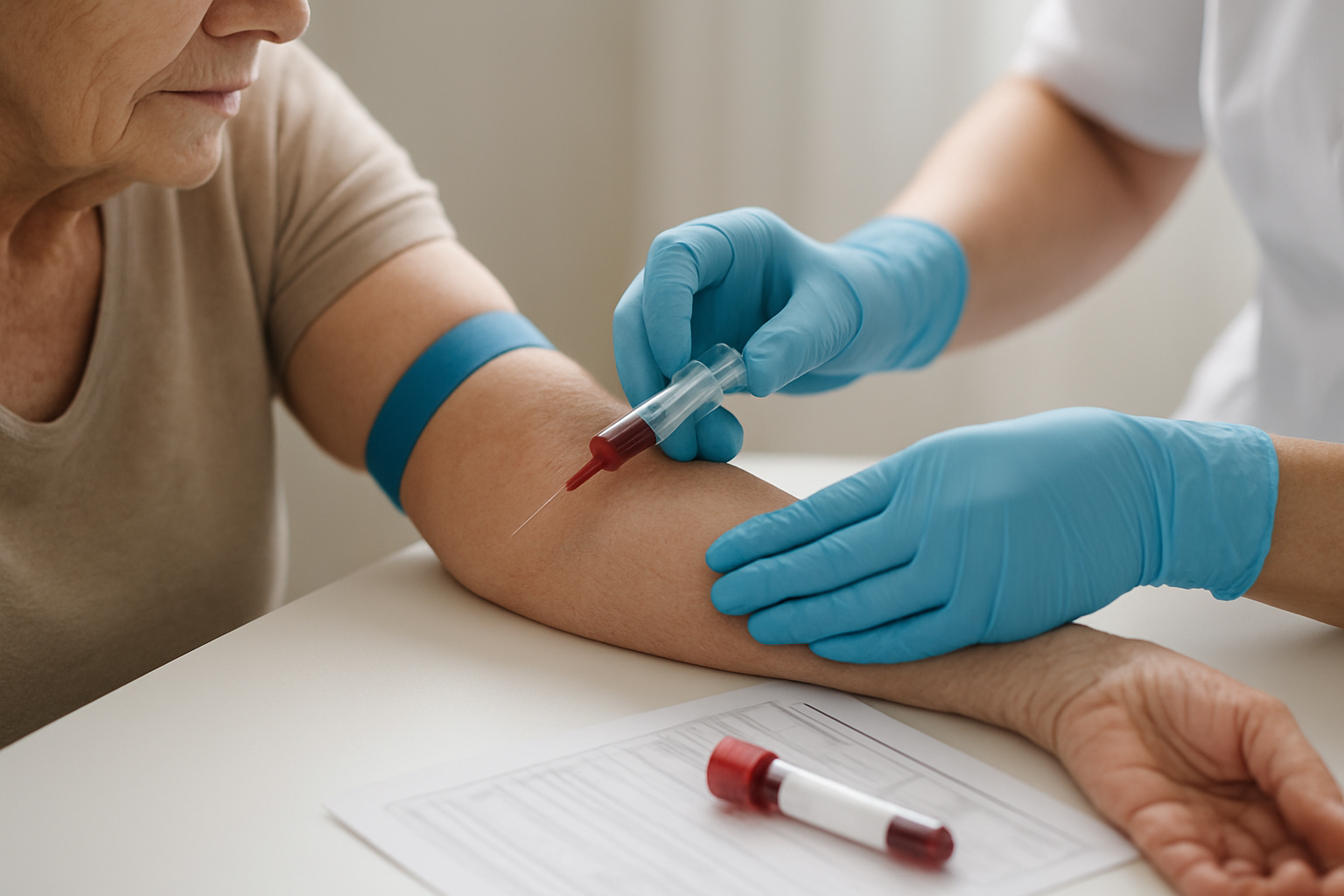
Why Regular Blood Testing Is Essential for Seniors
Here’s something many people don’t realize: you can feel perfectly fine and still be dangerously low in vitamin D. That’s what makes this particular nutrient so tricky — vitamin D deficiency in older adults often creeps up quietly, without obvious warning signs, until it starts showing up as bone fractures, muscle weakness, or a stubborn low mood.
For seniors especially, regular blood testing isn’t just a good idea — it’s genuinely important. Here’s why:
- Absorption drops with age. The skin’s ability to synthesize vitamin D from sunlight decreases significantly as we get older. A 70-year-old produces roughly 75% less vitamin D from sun exposure than a 20-year-old under identical conditions.
- Kidney function changes. Older adults often have reduced kidney function, which affects how the body converts vitamin D into its active, usable form.
- Medication interactions. Many common medications taken by seniors — including certain blood pressure drugs, steroids, and cholesterol medications — can interfere with vitamin D metabolism.
- Lifestyle factors shift. Reduced outdoor activity, more time spent indoors, and changes in diet can all quietly chip away at vitamin D levels over time.
- The consequences are serious. Low vitamin D has been linked to osteoporosis, increased fall risk, weakened immune function, cardiovascular issues, and even cognitive decline in older adults.
Getting tested at least once a year — or more often if you’re adjusting a supplement or dealing with a related health condition — gives you real data to work with instead of guesswork.
Understanding Your Test Results and Optimal Range
The standard test used to measure vitamin D status is called the 25-hydroxyvitamin D test, often written as 25(OH)D. This is a simple blood draw, and it gives you a number measured in nanograms per milliliter (ng/mL) — or nanomoles per liter (nmol/L) in some countries.
Here’s a straightforward breakdown of what those numbers actually mean:
| Blood Level (ng/mL) | Blood Level (nmol/L) | Status |
|---|---|---|
| Less than 12 ng/mL | Less than 30 nmol/L | Severely deficient — health risks are high |
| 12–19 ng/mL | 30–49 nmol/L | Deficient — supplementation needed |
| 20–29 ng/mL | 50–74 nmol/L | Insufficient — borderline, especially for seniors |
| 30–50 ng/mL | 75–125 nmol/L | Optimal — good range for most healthy adults |
| 50–60 ng/mL | 125–150 nmol/L | High-normal — some researchers argue this is ideal for seniors |
| Above 100 ng/mL | Above 250 nmol/L | Potentially toxic — avoid reaching this level |
What’s Actually “Optimal” for Older Adults?
While mainstream medical guidelines consider anything above 20 ng/mL “sufficient,” many geriatric health experts and researchers working specifically with older populations suggest that seniors genuinely benefit from levels sitting between 40 and 60 ng/mL. At this range, you’re likely seeing the strongest protective effects against bone loss, falls, immune challenges, and muscle weakness.
This doesn’t mean chasing the highest possible number. Vitamin D toxicity is real, though it’s rare. Sustained levels above 100 ng/mL can lead to hypercalcemia — too much calcium in the blood — which causes nausea, weakness, kidney problems, and in severe cases, cardiac issues. The sweet spot is exactly that: a sweet spot.
A few things worth keeping in mind when reading your results:
- Seasonal variation is normal. Levels often dip in winter and rise in summer, especially if you spend any time outdoors.
- Lab reference ranges vary. Different labs may list different “normal” ranges on your report. Always discuss your specific number — not just “normal” or “abnormal” — with your doctor.
- Context matters. A result of 29 ng/mL looks borderline on paper, but paired with bone density concerns, limited sun exposure, and a history of falls, it tells a very different story than the same number in a healthy, active 45-year-old.
How to Work with Your Doctor to Adjust Your Levels
Getting your number is step one. Knowing what to actually do with it is where most people need some guidance.
Starting the Conversation
Many older adults feel hesitant to bring up supplements with their doctor, but vitamin D testing for seniors is a completely routine part of preventive care. You have every right to ask for it at your annual physical, and if it hasn’t been offered, just ask directly: “Can we check my vitamin D level as part of my bloodwork?”
If your results come back low or insufficient, here’s how to work collaboratively with your healthcare provider:
Building a Plan Together
- Share your full picture. Tell your doctor about your current diet, sun exposure habits, any supplements you’re already taking, and relevant symptoms like fatigue, bone pain, or frequent illness.
- Ask about a specific target. Rather than just “getting into the normal range,” ask your doctor what blood level they’re aiming for and why. This helps you both stay on the same page.
- Discuss dosage carefully. Depending on how low your levels are, your doctor might recommend anywhere from 1,000 IU to 5,000 IU daily, or even a short-term high-dose protocol (sometimes called “loading doses”) to get your levels up faster. Loading doses are typically used under medical supervision only.
- Understand the form. Most doctors recommend vitamin D3 (cholecalciferol) over D2, as D3 is more effective at raising and maintaining blood levels. If you’re taking a supplement already, make sure this is what you have.
- Ask about pairing it with K2. Some research points to vitamin K2 as a helpful companion nutrient — it helps direct calcium to bones and away from arteries when vitamin D levels are being optimized. Not all doctors are up to date on this, but it’s a reasonable question to raise.
Monitoring and Adjusting Over Time
Once you start a supplementation plan, don’t just set it and forget it. Here’s a practical monitoring schedule to discuss with your doctor:
| Timeline | Recommended Action |
|---|---|
| 3 months after starting or changing dose | Retest to see if levels are responding |
| Every 6 months during active adjustment | Continue testing until stable |
| Once yearly when levels are stable | Maintenance testing to stay on track |
| After any major health change | Retest — illness, weight changes, new medications can all shift levels |
When to Seek a Specialist
If your vitamin D levels remain stubbornly low despite consistent supplementation and adequate sun exposure, it may be worth asking for a referral to an endocrinologist. There are underlying conditions — including hyperparathyroidism, malabsorption disorders like celiac disease or Crohn’s, and certain kidney conditions — that can interfere with vitamin D metabolism in ways that go beyond what a standard supplement regimen can address.
Staying proactive about optimal vitamin D levels for adults isn’t about obsessing over a number. It’s about giving your body what it genuinely needs to keep your bones strong, your muscles steady, your immune system alert, and your energy levels where they should be — especially as the years go on.
Vitamin D plays a bigger role in healthy aging than most people realize. From keeping bones strong and supporting immune function to reducing the risk of chronic disease, maintaining optimal levels as you get older is one of the simplest things you can do for your long-term health. Knowing the signs of deficiency, eating the right foods, getting safe sun exposure, and choosing a quality supplement when needed are all pieces of the same puzzle.
The best place to start is getting your levels tested so you actually know where you stand. From there, you can make smart, informed choices about diet, lifestyle, and supplementation that work for your specific needs. Don’t leave your Vitamin D levels to chance — talk to your doctor, get the numbers, and take action. Your future self will thank you.