




7 Natural Ways to Double Your Stamina Fast
If you constantly feel drained before your day is even halfway done, you’re not alone — and no, the answer isn’t another cup of coffee.
This guide is for everyday athletes, busy professionals, and anyone who wants to stop running on empty and start feeling genuinely strong and energized. No extreme diets, no complicated routines — just practical, natural stamina boosters that actually work.
Here’s what we’ll cover: how to increase stamina fast through smart cardiovascular endurance training that fits real life, which stamina-boosting foods give your body the fuel it’s been missing, and how simple breathing techniques for stamina can change your performance almost overnight.
By the end, you’ll have seven clear, actionable ways to boost endurance naturally — starting today.
Table of Contents
Optimize Your Sleep for Maximum Energy Recovery

Set a Consistent Sleep Schedule to Boost Performance
Your body runs on an internal clock called the circadian rhythm, and when you mess with it, your energy tanks. Going to bed and waking up at the same time every day — yes, even on weekends — trains your body to release sleep hormones at the right moments, get through full sleep cycles, and wake up feeling genuinely restored rather than groggy.
Here’s why this matters for stamina: during deep sleep stages, your body releases human growth hormone (HGH), repairs muscle tissue, and restores glycogen stores in your muscles. Miss those deep sleep windows by sleeping inconsistently, and your physical endurance takes a real hit the next day — even if you technically logged eight hours.
Practical steps to lock in your schedule:
- Pick a wake-up time and stick to it every single day for at least 21 days
- Count back 7–9 hours to find your ideal bedtime
- Use natural light exposure within 30 minutes of waking to anchor your circadian rhythm
- Avoid sleeping in more than one hour beyond your usual wake time, even after a bad night
| Sleep Consistency Level | Energy Impact | Stamina Effect |
|---|---|---|
| Highly consistent (±15 min) | Peak energy levels | Maximum physical endurance |
| Moderate (±1 hour variation) | Mild fatigue | Reduced endurance capacity |
| Inconsistent (2+ hour variation) | Chronic tiredness | Significant stamina drop |
Think of your sleep schedule as the foundation of every other natural stamina booster you’ll ever try. If this foundation is shaky, nothing else works as well as it should.
Create the Ideal Sleep Environment for Deep Rest
Your bedroom environment directly controls the quality of sleep you get — not just the quantity. You could be in bed for nine hours and still wake up feeling drained if your environment is working against your body’s recovery process.
Temperature: The Most Overlooked Factor
Your core body temperature naturally drops when you fall asleep, signaling to your brain that it’s time for deep rest. A cool room — between 60°F and 67°F (15.5°C to 19.4°C) — accelerates this process. Sleeping in a warm room fights against this natural drop, keeping you in lighter sleep stages where recovery is minimal.
Darkness: Go Full Blackout
Even small amounts of light — a charging cable indicator, streetlights through thin curtains, a glowing clock — suppress melatonin production. Melatonin isn’t just a sleep hormone; it’s deeply tied to cellular repair and recovery speed. Blackout curtains or a sleep mask are cheap investments with a massive return on energy.
Noise Control
Unexpected sounds cause micro-arousals throughout the night, pulling you out of deep sleep without fully waking you. You might not remember them, but your body does. Options to manage noise:
- White noise machines to mask unpredictable sounds
- Earplugs rated for sleep comfort
- Fan or air purifier that doubles as white noise
- Soundproof curtains if external traffic is an issue
Additional Environment Tweaks Worth Making:
- Reserve your bed for sleep and sex only — working or watching TV in bed trains your brain to stay alert there
- Keep your bedroom clutter-free — visual clutter increases cortisol (your stress hormone), which fights against deep sleep
- Use breathable bedding — natural materials like cotton or bamboo regulate body temperature better than synthetic fabrics
- Cut screen light an hour before bed — blue light from phones and laptops delays your sleep onset by up to 90 minutes
Use Pre-Sleep Rituals to Enhance Recovery Speed
What you do in the 60–90 minutes before bed directly shapes how fast and how deeply your body recovers overnight. A solid pre-sleep ritual acts like a runway for your nervous system, shifting it from “go mode” into full recovery mode so that by the time your head hits the pillow, your body is already primed to repair.
Why Rituals Work
Repetition is the key. When you do the same sequence of activities each night, your brain starts associating those actions with sleep onset. Over time, simply starting your ritual triggers a drop in cortisol and a rise in melatonin — your body starts winding down before you even lie down.
A High-Performance Pre-Sleep Ritual Breakdown:
- 90 minutes before bed: Dim the lights in your home. Bright overhead lighting keeps your nervous system activated.
- 60 minutes before bed: Stop all screen use or switch to blue-light-blocking glasses if screens are unavoidable.
- 45 minutes before bed: Take a warm shower or bath. The rise and subsequent drop in body temperature after getting out accelerates sleep onset and deepens sleep stages.
- 30 minutes before bed: Light stretching or yoga to release muscle tension built up through the day. Focus on the hips, lower back, and shoulders.
- 15 minutes before bed: Journaling or reading a physical book. Writing down tomorrow’s tasks clears your working memory so your brain isn’t running mental loops while you try to sleep.
Natural Recovery Boosters to Add to Your Ritual:
| Ritual Addition | Benefit | How Long Before Bed |
|---|---|---|
| Magnesium glycinate (200–400mg) | Muscle relaxation, deeper sleep | 30–60 minutes |
| Chamomile or valerian root tea | Nervous system calming | 30–45 minutes |
| Breathing exercise (4-7-8 technique) | Lowers heart rate, reduces cortisol | Right before sleep |
| Light progressive muscle relaxation | Releases physical tension | 10–15 minutes |
The 4-7-8 Breathing Technique for Faster Sleep Onset:
This breathing method activates your parasympathetic nervous system — the “rest and digest” system — faster than almost any other non-pharmaceutical approach:
- Exhale completely through your mouth
- Inhale through your nose for 4 counts
- Hold your breath for 7 counts
- Exhale slowly through your mouth for 8 counts
- Repeat 4 cycles
Even one week of consistent pre-sleep rituals produces measurable improvements in sleep quality, recovery speed, and next-day energy levels. When you’re serious about ways to boost endurance naturally and improve physical endurance, protecting your recovery window overnight is one of the highest-leverage habits you can build.
Fuel Your Body with Stamina-Boosting Foods

Choose Complex Carbs for Long-Lasting Energy
If you want to know how to increase stamina fast, your plate is the first place to look. What you eat directly determines how much fuel your muscles and brain have to work with — and not all fuel burns the same way.
Simple sugars give you a quick spike followed by a brutal crash. Complex carbohydrates work completely differently. They break down slowly, releasing glucose into your bloodstream at a steady pace, which keeps your energy levels consistent for hours rather than minutes.
Best complex carbs for stamina:
- Oats — A morning bowl of oatmeal provides slow-digesting beta-glucan fiber that keeps you energized through long training sessions
- Sweet potatoes — Packed with complex carbs, potassium, and vitamin B6, which all support muscle function and energy metabolism
- Brown rice — A reliable, versatile base that delivers sustained energy without blood sugar chaos
- Quinoa — Technically a seed, but it acts like a grain and brings the bonus of complete protein alongside its carbs
- Lentils — Incredible for stamina because they combine complex carbs with iron and plant-based protein
- Bananas — One of the best natural stamina boosters before a workout due to their mix of fast and slow-releasing sugars
- Whole grain bread and pasta — Easy swaps that dramatically improve the quality of your energy supply
The key is making these foods the foundation of your daily eating, not just something you grab before a workout. Your glycogen stores — the energy reserves your muscles tap into during physical activity — get built up over time, not just in the hour before you exercise.
Add Iron-Rich Foods to Fight Fatigue Fast
One of the most overlooked reasons people feel constantly tired and winded during exercise is low iron. Iron is what your red blood cells need to carry oxygen from your lungs to your working muscles. When iron levels drop, your muscles get less oxygen, your heart works harder, and everything feels way more exhausting than it should.
This isn’t a rare problem. Iron deficiency is one of the most common nutritional shortfalls worldwide, especially in women, endurance athletes, and vegetarians.
Top iron-rich foods to add to your diet:
| Food | Iron Content (per 100g) | Notes |
|---|---|---|
| Beef liver | ~6.5 mg | One of the most bioavailable iron sources |
| Lentils | ~3.3 mg | Great plant-based option |
| Spinach | ~2.7 mg | Pair with vitamin C to boost absorption |
| Pumpkin seeds | ~3.3 mg | Easy to snack on or add to salads |
| Tofu | ~2.7 mg | Solid option for vegetarians |
| Dark chocolate (70%+) | ~3.4 mg | A delicious way to sneak in more iron |
| Chickpeas | ~2.9 mg | Versatile and easy to include daily |
| Oysters | ~5.7 mg | Rich in heme iron, which absorbs fastest |
Heme vs. non-heme iron — Animal-based iron (heme) absorbs much more efficiently than plant-based iron (non-heme). If you eat a plant-heavy diet, you can seriously improve absorption by pairing iron-rich plant foods with vitamin C sources like bell peppers, citrus, strawberries, or broccoli. Eating them together at the same meal makes a real difference.
On the flip side, avoid drinking coffee or tea with iron-rich meals. The tannins in these drinks bind to iron and block absorption, which can undercut your efforts.
Getting your iron levels tested is worth doing if you’ve been feeling chronically fatigued, short of breath during exercise, or like your physical endurance has plateaued for no clear reason.
Stay Hydrated to Maintain Peak Physical Output
Dehydration is one of the fastest ways to tank your stamina — and it doesn’t take much. Research consistently shows that losing just 2% of your body weight in fluids can cause a noticeable drop in physical performance, mental focus, and endurance capacity. By the time you actually feel thirsty, your performance is already starting to decline.
Water isn’t just a thirst quencher. It regulates your body temperature, lubricates your joints, transports nutrients to your cells, and helps flush out the metabolic waste products that build up during exercise. When any of these processes slow down due to dehydration, your stamina takes a direct hit.
Practical hydration habits that actually work:
- Start your day with water — Drink a large glass first thing in the morning before coffee or food. You’ve been without fluids for 7-8 hours overnight and your body needs replenishing immediately
- Drink before you’re thirsty — Make it a habit to sip consistently throughout the day rather than chugging large amounts all at once
- Monitor your urine color — Pale yellow means you’re well-hydrated. Dark yellow or amber means you need to drink more
- Increase intake during exercise — Aim for around 400–600 ml of water in the two hours before training, and sip regularly during your session
- Replace electrolytes during longer sessions — For workouts exceeding 60–90 minutes, plain water isn’t enough. You’re also losing sodium, potassium, and magnesium through sweat
Electrolyte-rich foods that support hydration:
- Coconut water — Natural electrolyte drink with potassium and magnesium
- Watermelon — 92% water with natural sugars and citrulline that supports blood flow
- Cucumbers — High water content with a small amount of electrolytes
- Bananas — Potassium powerhouse that prevents muscle cramps
- Avocados — Rich in potassium, even more so than bananas
Many people unknowingly live in a state of mild chronic dehydration, wondering why they feel sluggish and their workouts feel harder than they should. Fixing your hydration is one of the simplest and fastest ways to improve physical endurance naturally.
Time Your Meals to Power Your Workouts
What you eat matters enormously — but when you eat can make almost as big a difference for your stamina. Strategic meal timing means your muscles have exactly what they need, right when they need it, so you can push harder and recover faster.
Pre-Workout Nutrition
The goal before training is to top off your energy stores without feeling heavy or sluggish. Eating the right foods 1–3 hours before exercise gives your body time to digest and convert food into accessible fuel.
Ideal pre-workout foods:
- Oatmeal with banana and a small amount of nut butter
- Whole grain toast with avocado and a hard-boiled egg
- Brown rice with grilled chicken and vegetables
- A smoothie with oats, banana, Greek yogurt, and berries
If you’re training within 30–60 minutes of eating, keep it smaller and simpler — a banana, a rice cake with almond butter, or a small handful of dates works well without sitting heavy in your stomach.
During Longer Sessions
For workouts or endurance activities lasting more than 60–90 minutes, you need to replenish glycogen on the go. Easy-to-digest carbs every 30–45 minutes help maintain performance:
- Dates or dried figs
- Banana pieces
- Energy gels (natural versions with real ingredients)
- Sports drinks with a balanced electrolyte profile
Post-Workout Recovery Nutrition
This is the window that most people underestimate. In the 30–60 minutes after training, your muscles are primed to absorb nutrients for repair and glycogen replenishment. Missing this window slows your recovery and leaves you starting your next session already depleted.
Post-workout priorities:
| Nutrient | Why It Matters | Good Sources |
|---|---|---|
| Protein | Repairs and builds muscle tissue | Eggs, Greek yogurt, chicken, tofu, whey |
| Carbohydrates | Restores glycogen stores | Rice, oats, fruit, sweet potato |
| Fluids + electrolytes | Replaces sweat losses | Water, coconut water, milk |
A simple and effective post-workout meal could be a smoothie made with banana, Greek yogurt, oats, and a handful of berries — it checks all three boxes and takes about two minutes to make.
When your meals are timed well, you’ll notice your workouts feel less draining, your recovery speeds up, and your stamina starts building much more consistently. Nutrition timing isn’t a shortcut — it’s just getting the basics right at the right moments.
Build Cardiovascular Endurance with Smart Training

Start with Low-Intensity Cardio to Build Your Base
Think of your cardiovascular system like a car engine. Before you push it to race speed, you need to warm it up and make sure all the moving parts are working smoothly. Low-intensity cardio does exactly that — it builds the aerobic foundation your body needs before you can layer on harder, more demanding work.
Low-intensity cardio keeps your heart rate in the 50–65% of your maximum heart rate zone. At this pace, your body gets really good at using oxygen efficiently, training your muscles to pull more energy from fat stores, and strengthening your heart muscle over time. That’s the groundwork for serious cardiovascular endurance training.
Great starting points for low-intensity cardio include:
- Brisk walking (30–45 minutes, 4–5 days a week)
- Easy-paced cycling on flat terrain
- Light swimming laps
- Casual rowing machine sessions
- Slow, steady jogging where you can hold a full conversation
A good rule of thumb is the talk test — if you can speak in complete sentences without gasping, you’re in the right zone. If you’re struggling to get a sentence out, dial it back.
Spend at least 2–4 weeks here before moving to more intense training. People who skip this phase often burn out early or pick up injuries that set them back weeks. This phase isn’t glamorous, but it’s the reason experienced athletes still include easy sessions in their weekly routines. Your aerobic base is your stamina bank — the more you deposit now, the more you can draw on later.
Add Interval Training to Rapidly Increase Stamina
Once you’ve built a solid aerobic base, interval training is where the magic really happens. If you want to know how to increase stamina fast, this is your answer. Research consistently shows that interval training produces significantly faster endurance gains compared to steady-state cardio alone.
The concept is simple: alternate between short bursts of higher-intensity effort and recovery periods. This pushes your cardiovascular and muscular systems to adapt quickly, improving your body’s ability to deliver oxygen to working muscles, clear metabolic waste, and recover faster between efforts.
Two Proven Interval Formats to Try
1. Classic HIIT (High-Intensity Interval Training)
| Phase | Duration | Intensity |
|---|---|---|
| Warm-up | 5 minutes | Easy (50–60% max HR) |
| Work Interval | 30–40 seconds | Hard (80–90% max HR) |
| Recovery Interval | 60–90 seconds | Easy (50–60% max HR) |
| Repeat | 6–10 rounds | — |
| Cool-down | 5 minutes | Easy |
2. Fartlek Training (Speed Play)
This is a less structured but highly effective approach. During a regular run, bike ride, or swim, you spontaneously pick up the pace for 1–3 minutes whenever you feel ready, then ease back to a comfortable pace. It’s flexible, fun, and extremely effective for improving physical endurance naturally without the rigid structure of HIIT.
Why Intervals Work So Well
- They increase your VO2 max — the maximum amount of oxygen your body can use during exercise, which is the gold standard marker for cardiovascular endurance
- They train your heart to pump more blood per beat (called stroke volume), meaning your heart works more efficiently at every intensity level
- They boost mitochondrial density in muscle cells, giving you more energy-producing machinery in your muscles
- They improve your body’s ability to buffer lactic acid, so that burning sensation in your muscles shows up later and fades faster
Aim for 1–2 interval sessions per week mixed in with your steady-state training. More than that, especially early on, increases injury risk and doesn’t allow enough recovery time for your body to fully adapt.
Progress Gradually to Avoid Burnout and Injury
Progression is the unsung hero of cardiovascular endurance training. The gains you’re chasing come from repeatedly challenging your body just enough to force adaptation — but not so much that you break down faster than you rebuild. That balance is everything.
A widely respected guideline is the 10% rule: don’t increase your total weekly training volume by more than 10% from one week to the next. So if you’re currently doing 60 minutes of cardio per week, you shouldn’t jump to more than 66 minutes the following week.
Signs You’re Progressing Too Fast
Watch out for these red flags — your body is very good at sending signals when things are going sideways:
- Persistent fatigue that doesn’t improve after a rest day
- Elevated resting heart rate (more than 5–7 bpm above your normal baseline)
- Nagging soreness in joints rather than muscles (joints shouldn’t be regularly sore)
- Declining performance — your pace is getting slower or workouts feel harder than they should
- Mood changes, irritability, or trouble sleeping — classic signs of overtraining
A Simple 4-Week Progression Model
| Week | Sessions Per Week | Session Length | Intensity |
|---|---|---|---|
| Week 1 | 3 | 25–30 min | Low (base building) |
| Week 2 | 3–4 | 30–35 min | Low + 1 interval session |
| Week 3 | 4 | 35–40 min | Low + 1–2 interval sessions |
| Week 4 | 3 (deload) | 20–25 min | Easy only — full recovery |
That Week 4 deload is not optional. It’s where your body actually consolidates all the adaptations it’s been working on. Many people make the mistake of skipping recovery weeks and wonder why their progress stalls or they keep getting hurt. Recovery isn’t a pause in training — it’s a core part of the process.
Consistency over intensity is what drives long-term stamina gains. Showing up regularly with a smart, progressive plan will get you further than any single brutal workout ever could. Think months, not days, and your endurance will surprise you.
Harness the Power of Breathing Techniques

Practice Diaphragmatic Breathing for Greater Oxygen Intake
Most people breathe shallow, barely filling the top third of their lungs. This kind of chest breathing is like running your car engine on a quarter tank — it works, but you’re always running low. Diaphragmatic breathing, also called belly breathing, pulls air deep into the lower lungs where the highest concentration of oxygen-absorbing blood vessels live. The payoff? More oxygen delivered to your muscles, less fatigue, and dramatically better physical endurance.
Here’s how to train your diaphragm deliberately:
- Start lying down — Place one hand on your chest and one on your belly. When you inhale, only the hand on your belly should rise. If your chest moves first, you’re still breathing shallow.
- Inhale slowly through your nose for a count of 4, letting your belly expand outward like a balloon filling with air.
- Hold for 1–2 seconds at the top of the breath.
- Exhale fully through your mouth for a count of 6–8, letting your belly fall naturally.
- Repeat for 5–10 minutes daily, then gradually carry this pattern into your workouts and daily life.
The diaphragm is a muscle, and like any muscle, it gets stronger with consistent practice. Athletes who train diaphragmatic breathing report reduced breathlessness during intense effort and faster recovery between sets or intervals. Research backs this up — diaphragmatic breathing has been shown to lower heart rate, reduce blood lactate levels during exercise, and improve overall respiratory efficiency.
Why It Matters for Stamina
When your breathing is efficient, your body doesn’t waste precious energy on the act of breathing itself. In high-intensity exercise, up to 15% of your total oxygen consumption can go toward just moving your respiratory muscles. Strengthening and optimizing the diaphragm cuts that cost down significantly, freeing more energy for your legs, arms, and heart.
| Breathing Type | Lung Volume Used | Oxygen Efficiency | Energy Cost |
|---|---|---|---|
| Chest (shallow) | ~30–40% | Low | High |
| Diaphragmatic (deep) | ~60–70% | High | Low |
This one shift — from chest to belly breathing — is one of the most underrated breathing techniques for stamina you can apply right now, without any equipment or gym membership.
Use Rhythmic Breathing to Sustain Physical Effort Longer
Rhythmic breathing syncs your inhale and exhale to your movement pattern, creating a steady, predictable rhythm that keeps your body in an efficient, controlled state even under heavy physical load. Runners, swimmers, cyclists, and martial artists have used this principle for decades, and once you feel it working, you’ll never want to go back to random, reactive breathing.
How Rhythmic Breathing Works
The basic idea is to match your breath cycles to your steps, strokes, or reps. This prevents the chaotic breathing spikes that spike your heart rate unnecessarily and drain your reserves faster.
For Running — The 3:2 Pattern:
- Inhale for 3 foot strikes, exhale for 2 foot strikes.
- This alternates which foot hits the ground at the start of each exhale, distributing impact stress more evenly across your body.
- At higher intensities, shift to a 2:1 pattern (inhale 2 steps, exhale 1).
For Weightlifting:
- Inhale during the lowering (eccentric) phase of the movement.
- Exhale sharply during the push or pull (concentric) phase.
- This natural sync stabilizes your core and gives you a burst of power at the right moment.
For Cycling:
- Match your breath to your pedal cadence — typically one full breath cycle every 2–3 pedal rotations depending on intensity.
Benefits You’ll Actually Feel
Rhythmic breathing does a lot more than just feel organized. Here’s what happens when you stick with it consistently:
- Lower perceived exertion — Your brain registers the effort as less punishing because your body is running more smoothly.
- Reduced side stitches — Those sharp cramps under your ribs during a run? They’re often caused by erratic breathing patterns. Rhythmic breathing largely eliminates them.
- Better CO2 tolerance — Training your breathing rhythm teaches your body to tolerate higher carbon dioxide levels, which delays the “I need to stop” signal your brain sends during hard effort.
- Improved focus — A steady breathing rhythm has a mild meditative effect, keeping you mentally sharp and present during long bouts of exercise.
- Extended endurance — When your body isn’t fighting inefficient breathing, you can sustain physical effort significantly longer before hitting a wall.
A Simple Practice Drill
Start on an easy walk or slow jog:
- Inhale through your nose for 3 steps.
- Exhale through your mouth for 2 steps.
- Keep your jaw relaxed and shoulders down.
- Hold this pattern for 10 minutes without breaking it.
Once it feels automatic at easy intensity, bring it into your regular workouts. Within 2–3 weeks, rhythmic breathing will feel completely natural — and you’ll notice you can push harder without feeling like you’re suffocating.
Pair this with diaphragmatic breathing and you’ve built a powerful respiratory foundation that acts as one of the most effective natural stamina boosters available to any athlete or active person.
Strengthen Your Body with Resistance Training

Target Key Muscle Groups to Improve Overall Endurance
When it comes to resistance training for energy and stamina, not all muscle groups are created equal. Some muscles directly impact how long you can sustain physical effort, and targeting them strategically makes a real difference in your day-to-day performance.
The Big Four Muscle Groups for Stamina:
- Legs and Glutes – Your lower body is your engine. Strong quads, hamstrings, and glutes reduce the energy cost of every step you take, meaning you tire out much more slowly during any physical activity.
- Core – A weak core forces other muscles to compensate constantly, which drains your energy fast. A solid core stabilizes your entire body so your other muscles can work efficiently.
- Back Muscles – Your upper and lower back muscles support posture. Good posture keeps your lungs open and your breathing efficient, which directly ties into your ability to improve physical endurance naturally.
- Shoulders and Chest – These muscles support arm drive during running, cycling, and swimming. When they fatigue, your entire movement pattern breaks down.
Here’s a simple breakdown of which exercises hit these key areas:
| Muscle Group | Best Exercises | Stamina Benefit |
|---|---|---|
| Legs & Glutes | Squats, Lunges, Step-ups | Reduce fatigue during sustained movement |
| Core | Planks, Dead Bugs, Pallof Press | Improve movement efficiency |
| Back | Rows, Pull-ups, Deadlifts | Support posture and breathing mechanics |
| Shoulders & Chest | Push-ups, Overhead Press, Dips | Maintain arm drive and upper body endurance |
Train these groups consistently two to three times per week and you’ll notice a significant jump in how long you can push before your body gives out.
Use Bodyweight Exercises for Functional Stamina Gains
Bodyweight training often gets written off as “too easy,” but it’s actually one of the most effective natural stamina boosters you can add to your routine. The reason? Bodyweight exercises demand coordination, balance, and muscular endurance all at the same time — which is exactly what real-world stamina looks like.
Why Bodyweight Beats Machines for Endurance:
Machines isolate muscles in a fixed range of motion. Your body in real life doesn’t move that way. Bodyweight exercises force multiple muscle groups to work together, training your nervous system to coordinate movement efficiently. That efficiency translates directly to better physical endurance.
Top Bodyweight Exercises for Building Stamina:
- Burpees – Full-body conditioning that combines a squat, push-up, and jump. Brutal, effective, and requires zero equipment.
- Mountain Climbers – Builds core strength and cardiovascular endurance at the same time. Keep the pace up and your heart rate will follow.
- Jump Squats – Develops explosive leg power and muscular endurance simultaneously.
- Push-up Variations – Wide-grip, close-grip, decline, and archer push-ups challenge your chest, shoulders, and triceps in different ways.
- Bodyweight Rows (using a table or bar) – Often neglected, but essential for back endurance and posture.
- Reverse Lunges – Easier on the knees than forward lunges but equally effective for building lower body stamina.
A Simple Bodyweight Circuit for Stamina:
Try this circuit three times through with 30 seconds of rest between rounds:
- 15 Burpees
- 20 Mountain Climbers (each leg)
- 15 Jump Squats
- 20 Push-ups
- 12 Bodyweight Rows
- 15 Reverse Lunges (each leg)
The key with bodyweight training is density — packing more work into less time. As your stamina improves, reduce the rest periods or increase the reps rather than rushing to add heavy weights.
Incorporate Active Recovery Days to Maximize Results
Here’s something a lot of people get wrong: rest days don’t mean doing nothing. Total inactivity after hard training actually slows your recovery and leaves you feeling stiff and sluggish. Active recovery days — where you do low-intensity movement — help flush out metabolic waste, keep blood circulating to your muscles, and prevent the kind of stiffness that derails your next workout.
What Active Recovery Actually Looks Like:
Active recovery should feel easy. You’re not training; you’re maintaining blood flow and mobility. If you finish feeling more tired than when you started, you pushed too hard.
| Active Recovery Option | Duration | Intensity |
|---|---|---|
| Walking | 30–45 minutes | Easy, conversational pace |
| Light cycling | 20–30 minutes | Low resistance, steady rhythm |
| Swimming (easy laps) | 20–30 minutes | Relaxed, no sprinting |
| Yoga or stretching | 30–45 minutes | Focus on tight areas |
| Foam rolling | 15–20 minutes | Target sore muscles |
How to Schedule Active Recovery:
A practical weekly structure might look like this:
- Monday: Resistance training
- Tuesday: Cardio endurance training
- Wednesday: Active recovery (walking + foam rolling)
- Thursday: Resistance training
- Friday: Cardio or HIIT
- Saturday: Active recovery (yoga or light swimming)
- Sunday: Full rest
Active recovery days between hard sessions keep your body primed to perform. Skip them and you’ll find your stamina gains slow down, your muscles stay sore longer, and your motivation dips because you’re always training on a fatigued body.
Track Your Progress to Stay Motivated and Consistent
Knowing how to increase stamina fast is one thing — actually staying consistent long enough to see real results is where most people struggle. Tracking your progress isn’t just about numbers; it creates a feedback loop that keeps you engaged and shows you that what you’re doing is actually working.
What to Track for Stamina Progress:
- Reps and Sets – Are you doing more reps with the same weight than last month? That’s a measurable endurance gain.
- Rest Time – How long do you need between sets? As your stamina builds, your recovery between efforts gets faster.
- Circuit Completion Time – If you’re doing a bodyweight circuit, track how long it takes. Aim to beat that time week over week.
- Heart Rate Recovery – After a tough set, check how quickly your heart rate drops back to normal. Faster recovery = better cardiovascular endurance.
- Perceived Effort – On a scale of 1–10, how hard did a workout feel? If the same workout feels like a 6 this week vs. an 8 last month, you’re making real progress.
Simple Ways to Track Without Overcomplicating It:
You don’t need a fancy app or expensive wearable. A basic notebook works fine. After every workout, spend two minutes writing down:
- What exercises you did
- Reps, sets, and rest times
- How you felt overall (energy, effort, mood)
Over time, flipping back through those notes shows you a clear picture of your improvement. That visual proof is a powerful motivator when you’re having a rough week and wondering whether any of this is worth it.
If you prefer digital tools, apps like Strong, MyFitnessPal, or even a simple Google Sheet work perfectly for logging resistance training sessions. Some fitness trackers also monitor resting heart rate over time — a dropping resting heart rate is one of the best natural indicators that your endurance is genuinely improving.
Consistency beats intensity every time. Tracking makes consistency easier by turning an abstract goal like “build stamina” into a series of small, concrete wins you can see and celebrate.
Manage Stress to Protect Your Energy Reserves

Practice Daily Meditation to Lower Energy-Draining Cortisol
Stress is one of the biggest hidden thieves of your stamina. When you’re chronically stressed, your body pumps out cortisol — a hormone that, in high amounts over time, breaks down muscle tissue, disrupts sleep, tanks your immune system, and leaves you feeling completely drained even before you’ve done anything physically demanding. This is a critical piece of stress management for energy that most people completely overlook.
Daily meditation directly targets this problem at the source. Even just 10–15 minutes a day of focused meditation has been shown to lower cortisol levels, calm the nervous system, and bring your body out of that constant “fight or flight” state that burns through your energy reserves like a car running on empty with the AC blasting.
How to Build a Meditation Habit That Actually Sticks
- Start small. Five minutes in the morning before you check your phone beats a 30-minute session you’ll never do.
- Use guided apps like Headspace, Calm, or Insight Timer if sitting in silence feels impossible at first.
- Anchor it to something you already do — meditate right after your morning coffee or just before bed.
- Focus on your breath. When your mind wanders (and it will), gently bring it back without judgment. That’s literally the practice.
Over time, regular meditation rewires how your brain responds to stress. Your cortisol spikes become smaller, your recovery between hard efforts gets faster, and your baseline energy levels rise noticeably. Athletes who meditate consistently often report that they feel less mentally fatigued during competition — not because they’re physically fitter, but because their minds aren’t hemorrhaging energy managing anxiety.
Use Yoga to Build Both Mental and Physical Stamina
Yoga is one of the most underrated natural stamina boosters out there, and it works on multiple levels simultaneously. On the physical side, it builds functional flexibility, improves joint health, strengthens stabilizer muscles, and teaches your body to move more efficiently. On the mental side, it trains your attention, builds stress resilience, and teaches you to stay calm and focused under physical discomfort — a skill that directly translates to better endurance performance.
The connection between yoga and stamina isn’t just anecdotal. Styles like Vinyasa and Power Yoga keep your heart rate elevated, giving you a genuine cardiovascular workout while simultaneously developing strength and mobility. Restorative yoga, on the other hand, activates the parasympathetic nervous system — your “rest and digest” mode — which helps your body recover more efficiently and lowers the chronic stress load that drains your energy day after day.
Best Types of Yoga for Stamina and Energy
| Yoga Style | Primary Benefit | Best For |
|---|---|---|
| Vinyasa Flow | Cardiovascular endurance + flexibility | Active stamina building |
| Power Yoga | Strength + muscular endurance | Athletes wanting intensity |
| Yin Yoga | Deep tissue recovery + stress relief | Rest days and recovery |
| Restorative Yoga | Nervous system reset | Chronic fatigue and burnout |
| Pranayama (breathwork) | Lung capacity + mental focus | Breathing efficiency |
Practical Ways to Add Yoga to Your Week
- 3 days a week is enough to see meaningful stamina and recovery improvements.
- Pair Vinyasa or Power Yoga on training days and Restorative Yoga on rest days for a balanced approach.
- Even a 20-minute YouTube yoga session counts — don’t let the lack of a studio membership stop you.
- Focus on poses that open the chest and hips, like Warrior sequences, Pigeon Pose, and Downward Dog — these release tension where the body tends to hold chronic stress the most.
Yoga also improves your breathing mechanics, which directly feeds into your ways to boost endurance naturally. When you learn to breathe deeply and efficiently during challenging poses, you’re training your respiratory muscles and your nervous system to stay composed when things get hard — whether that’s a tough workout, a stressful meeting, or a long race.
Adopt Time Management Habits to Reduce Chronic Fatigue
Here’s something that doesn’t get talked about enough: poor time management is an energy problem as much as a productivity problem. When your days feel chaotic, when you’re constantly reacting instead of planning, and when your to-do list never seems to shrink — your body stays in a low-grade stress response all day long. That constant background noise of mental pressure quietly drains your energy reserves and chips away at your physical stamina without you even realizing it.
Chronic mental fatigue and physical fatigue are deeply connected. Research in sports science consistently shows that mental fatigue significantly impairs physical performance — athletes who are mentally tired before a workout or competition hit exhaustion faster and perform below their capacity, even when their bodies are physically rested. Getting smarter about how you manage your time is, in a very real way, a strategy to improve physical endurance naturally.
Time Management Habits That Protect Your Energy
1. Time Blocking
Instead of working from a loose to-do list, assign specific tasks to specific time slots in your calendar. This reduces the mental overhead of constantly deciding what to do next — which sounds small but adds up to a massive energy drain over the course of a day.
2. The Two-Minute Rule
If something takes less than two minutes, do it immediately. Don’t let tiny tasks pile up into a mental backlog that weighs on your brain all day.
3. Single-Tasking Over Multitasking
Multitasking feels productive but actually increases cognitive load and stress hormones. Focusing on one thing at a time preserves more mental energy for physical performance later.
4. Schedule Recovery Time
Treat rest and downtime as non-negotiable appointments in your calendar — not something you do only if you happen to have spare time. Your body and mind need scheduled recovery to maintain high-output stamina over the long term.
5. Set Hard Boundaries Around Your Sleep
Poor time management almost always shows up first in lost sleep — staying up late to finish what should have been done earlier. Protecting your sleep window is one of the most powerful time management decisions you can make for your energy levels.
Signs That Time Management Issues Are Draining Your Stamina
- You feel tired even on mornings after a full night’s sleep
- Your workouts feel harder than they should relative to your fitness level
- You experience an afternoon energy crash almost every day
- You rarely feel genuinely mentally sharp or motivated
- Small tasks feel disproportionately exhausting
When you take control of your schedule, you reduce the cortisol load on your body, free up mental bandwidth, sleep better, and create the conditions your body needs to increase stamina fast in a sustainable way. The physical and mental sides of stamina aren’t separate — they’re deeply intertwined, and your calendar habits are a bigger part of that equation than most people ever give credit for.
Leverage Natural Supplements to Accelerate Stamina Gains
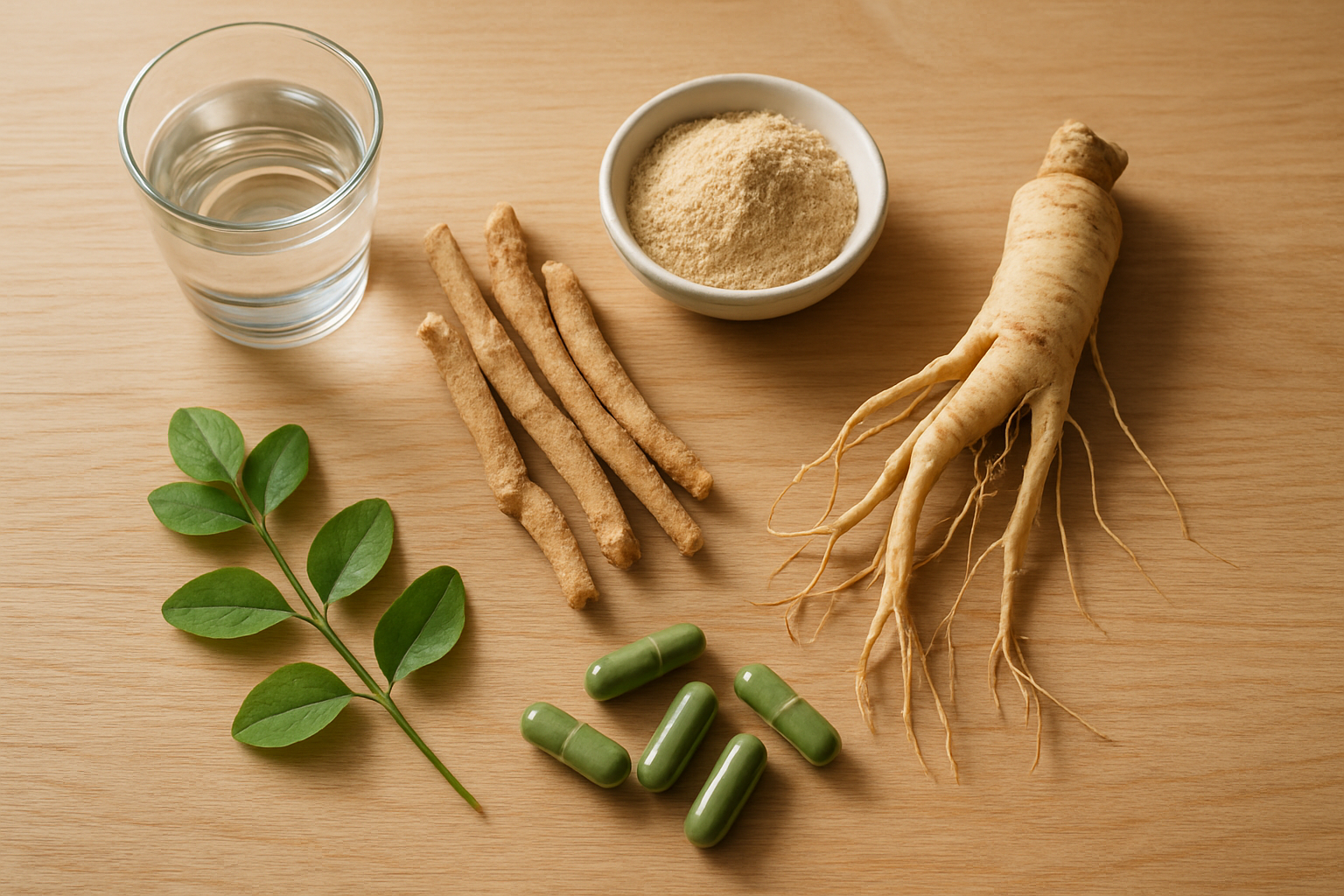
A. Use Ashwagandha to Boost Endurance and Reduce Fatigue
Ashwagandha has been used in Ayurvedic medicine for over 3,000 years, and modern science is finally catching up to what ancient healers already knew — this adaptogenic root is one of the most powerful natural stamina boosters available today.
What makes ashwagandha so effective is its ability to lower cortisol levels in your body. Cortisol is your primary stress hormone, and when it stays chronically elevated, it drains your energy, breaks down muscle tissue, and tanks your endurance. Ashwagandha essentially tells your nervous system to calm down, which means your body stops burning through energy reserves just to cope with daily stress.
But the benefits go beyond stress reduction. Research published in the Journal of the International Society of Sports Nutrition found that participants who took ashwagandha root extract for 12 weeks showed significant improvements in VO2 max — the gold standard measurement of cardiovascular endurance. They also recovered faster after workouts compared to the placebo group.
How to Take Ashwagandha for Best Results
- Dosage: Aim for 300–600 mg of KSM-66 or Sensoril ashwagandha extract daily. These are standardized, high-absorption forms that show the strongest results in clinical studies.
- Timing: Take it in the evening or with a meal. Since it lowers cortisol, evening dosing can also improve your sleep quality — which feeds back directly into better energy recovery.
- Consistency is everything: Unlike caffeine, ashwagandha builds up in your system over 4–8 weeks. Don’t expect overnight miracles, but stay consistent and the payoff is real.
What to Expect
| Timeline | What You Might Notice |
|---|---|
| Week 1–2 | Slightly better sleep, less mental fatigue |
| Week 3–4 | Reduced stress response, improved mood |
| Week 6–8 | Noticeable gains in physical endurance and energy |
| Week 10–12 | Peak stamina improvements, faster recovery |
One thing worth knowing — not all ashwagandha supplements are created equal. Look for products that list the withanolide content (aim for at least 5%), since these are the active compounds responsible for the stamina and stress-adapting effects.
B. Add Beetroot Juice to Enhance Oxygen Efficiency
If you want a natural supplement that delivers fast, measurable results, beetroot juice deserves a top spot on your list. It’s one of the most well-researched natural supplements for stamina, and the science behind it is surprisingly straightforward.
Beetroot is loaded with dietary nitrates. When you drink beetroot juice, your body converts those nitrates into nitric oxide — a molecule that relaxes and widens your blood vessels. Wider blood vessels mean better blood flow, and better blood flow means your muscles get more oxygen delivered to them during exercise. The result? You can work harder for longer before hitting that wall of exhaustion.
A landmark study from the University of Exeter found that cyclists who drank beetroot juice before riding were able to cycle 16% longer than those who had a placebo drink. That’s not a small jump — that’s a significant boost in physical endurance, achieved simply by drinking a glass of juice.
How to Use Beetroot Juice for Maximum Benefit
- Timing: Drink 500 ml of natural beetroot juice (or take 2 concentrated beetroot shots) about 2–3 hours before exercise. This gives your body time to convert nitrates into active nitric oxide.
- Daily use: For ongoing stamina improvements, drink beetroot juice daily — not just on workout days. Consistent use keeps nitric oxide levels elevated throughout the day.
- Whole beets vs. juice: Both work, but juice is absorbed more quickly. Roasted whole beets are a great option for your daily diet if juice isn’t practical.
Quick Comparison: Beetroot Juice vs. Other Pre-Workout Options
| Option | Natural? | Nitric Oxide Boost | Crash Risk | Cost |
|---|---|---|---|---|
| Beetroot Juice | Yes | High | None | Low |
| Caffeine | Yes (natural source) | Moderate | Yes | Low |
| Synthetic Pre-Workout | No | Variable | Yes | Moderate–High |
| L-Citrulline Supplement | Synthetic | High | None | Moderate |
One practical heads-up — beetroot juice can temporarily turn your urine and stool pink or red. It’s completely harmless, but it can be surprising the first time you notice it. Don’t let that stop you from using one of the most effective ways to boost endurance naturally that exist.
If straight beetroot juice tastes too earthy for you, blend it with apple, ginger, and a squeeze of lemon. It transforms into a genuinely enjoyable drink that you’ll actually look forward to.
C. Try Ginseng to Naturally Elevate Your Energy Levels
Ginseng has earned its reputation as one of the most respected natural stamina boosters across multiple cultures — Korean, Chinese, and Native American traditions all leaned on this root for energy and vitality long before supplement companies started bottling it.
There are two main types you’ll encounter: Panax ginseng (also called Korean or Asian ginseng) and American ginseng. Both have stamina benefits, but they work slightly differently:
- Panax ginseng is more stimulating and works well for physical energy, athletic performance, and fighting fatigue. It’s the better choice if your primary goal is improving physical endurance naturally.
- American ginseng is gentler and tends to work more on mental clarity and sustained energy without overstimulation. It’s a solid option if you also struggle with mental fatigue alongside physical tiredness.
Why Ginseng Works
The active compounds in ginseng — called ginsenosides — have a direct effect on your mitochondria, the energy-producing powerhouses inside every cell. Ginsenosides help your mitochondria work more efficiently, which means your cells produce more ATP (your body’s actual energy currency) without burning out as quickly.
Ginseng also has adaptogenic properties similar to ashwagandha. It helps your body regulate the stress response, which protects your energy reserves from being constantly depleted by mental and emotional strain. Research published in the Journal of Ginseng Research confirmed that ginseng supplementation reduced fatigue and improved physical performance in both athletes and sedentary individuals.
How to Take Ginseng Effectively
- Dosage: 200–400 mg of standardized Panax ginseng extract daily (look for 4–7% ginsenoside content).
- Cycling: Unlike ashwagandha, many practitioners recommend cycling ginseng — take it for 8–12 weeks, then take a 2–4 week break. This prevents tolerance buildup and keeps it working effectively.
- Timing: Take it in the morning or early afternoon. Because of its mildly stimulating effects, taking ginseng late in the day can interfere with falling asleep.
- Forms available: Capsules, liquid extracts, teas, and raw root all work. Standardized extracts give you the most consistent dosing.
Ginseng Comparison at a Glance
| Type | Best For | Energy Style | Stimulation Level |
|---|---|---|---|
| Panax (Korean) Ginseng | Physical stamina, athletic performance | Strong, active energy | Moderate–High |
| American Ginseng | Mental clarity, sustained energy | Calm, steady energy | Low–Moderate |
| Siberian Ginseng (Eleuthero) | Stress resilience, general endurance | Balanced energy | Low |
One thing to watch — if you’re on blood thinners, diabetes medication, or stimulants like Adderall, check with your doctor before adding ginseng to your routine. It has mild blood-thinning and blood-sugar-lowering effects that can interact with certain medications.
Stacked together, ashwagandha, beetroot juice, and ginseng form a genuinely powerful trio for anyone serious about how to increase stamina fast through natural means. Each one targets a different piece of the puzzle — stress adaptation, oxygen delivery, and cellular energy production — which is exactly why combining them tends to produce results that are noticeably bigger than using any single one alone.

Boosting your stamina doesn’t have to mean grueling workouts or expensive solutions. By getting quality sleep, eating the right foods, training smart, breathing better, building strength, keeping stress in check, and adding the right natural supplements, you can genuinely feel a difference in your energy levels faster than you’d expect.
Start small — pick one or two of these strategies and build from there. You don’t have to overhaul everything overnight. Stick with it consistently, and before long, you’ll notice you’re going harder, lasting longer, and recovering faster. Your body is capable of way more than you think — give it what it needs and watch it deliver.