



The Ultimate Guide to the 12 Astrological Houses
If you’ve ever stared at your birth chart and thought, “What do all these numbers and sections actually mean?” — you’re in the right place.
This guide is for anyone who’s moved past the basics of sun signs and wants to go deeper. Maybe you’re new to astrology and trying to make sense of your chart for the first time. Maybe you’ve been reading horoscopes for years but never fully understood why your life experiences don’t always match your sign. Either way, learning how the 12 astrological houses work is the piece that makes everything click.
Here’s what we’re going to walk through together:
- What the astrological houses actually are — and why they matter more than most people realize
- What each house rules — from your identity and relationships to your career, hidden fears, and life purpose
- How planets in astrological houses shape your personality and experiences — and how to use those house placements as a real tool for personal growth
By the time you finish reading, birth chart houses won’t feel like a mystery. They’ll feel like a map — one that’s been about you the whole time.
Let’s get into it.
Table of Contents
What Are Astrological Houses and Why They Matter
The Role of Houses in Your Birth Chart
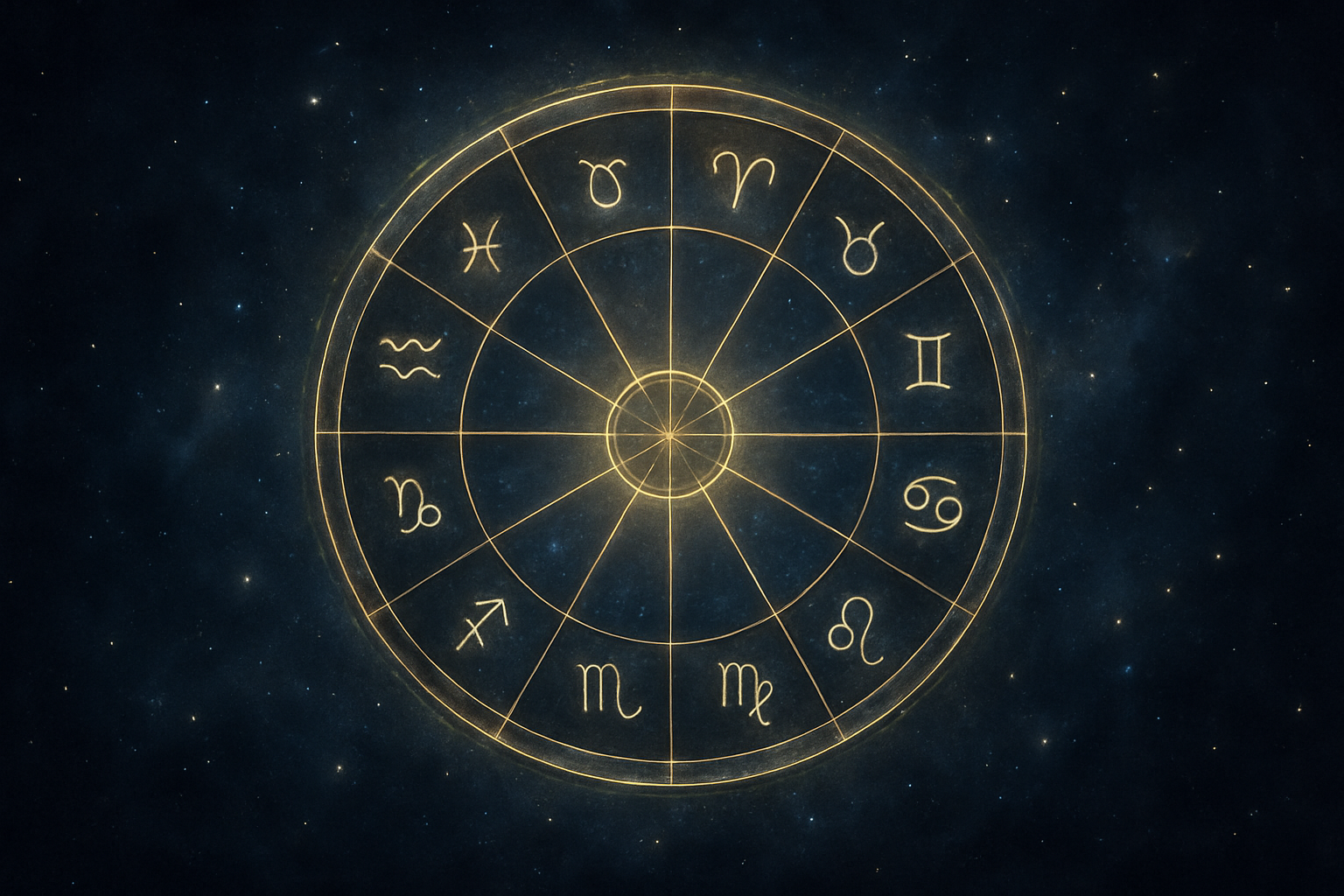
Think of your birth chart as a snapshot of the sky the exact moment you were born. The zodiac wheel is divided into 12 slices, and each one of those slices is an astrological house. Each house governs a specific area of your life — everything from your personality and money to your relationships, career, and even your deepest fears.
The houses don’t move on their own. They’re fixed sections of the chart wheel, and what makes them personal to you is which zodiac signs and planets fall inside them at the time of your birth. That’s what makes your birth chart uniquely yours, even if you share a Sun sign with millions of other people.
Here’s a quick look at what the 12 houses in astrology cover:
| House | Life Area |
|---|---|
| 1st House | Identity, appearance, first impressions |
| 2nd House | Money, possessions, self-worth |
| 3rd House | Communication, siblings, local travel |
| 4th House | Home, family, roots, emotional foundation |
| 5th House | Creativity, romance, children, fun |
| 6th House | Health, daily routines, work habits |
| 7th House | Partnerships, marriage, open enemies |
| 8th House | Transformation, shared resources, death & rebirth |
| 9th House | Travel, philosophy, higher education, beliefs |
| 10th House | Career, public reputation, ambitions |
| 11th House | Friendships, community, hopes and dreams |
| 12th House | Spirituality, hidden matters, the subconscious |
The astrology house meanings aren’t random — they follow a logical progression. You start with the self (1st house) and gradually move outward into the world, eventually reaching the most spiritual and collective dimensions of life (12th house). It’s a journey from “me” to “we” to “everything beyond.”
How Houses Differ from Zodiac Signs and Planets
This is one of the most common points of confusion for people just starting out with astrology, so it’s worth spelling out clearly.
- Planets are the actors in your chart — they represent energies and drives. The Sun is your core identity, the Moon is your emotional world, Mars is your drive and ambition, and so on.
- Zodiac signs are the costumes those actors wear — they describe how a planet expresses its energy. Mars in Aries acts very differently from Mars in Libra.
- Houses are the stage — they show where that energy plays out in your real, everyday life.
So when you hear someone say they have “Mars in Aries in the 10th house,” that means:
- Mars (drive, ambition, action)
- expressed through Aries (bold, direct, competitive)
- playing out in the 10th house (career, public life, reputation)
That person likely channels a fierce, competitive drive into their professional life and isn’t afraid to go after what they want in their career.
Without the houses, astrology stays pretty abstract. The houses are what bring the chart down to earth and make it about your actual life — your specific relationships, your particular career path, the way you handle money, the family dynamics you grew up in.
Signs vs. Houses: A Simple Breakdown
| Element | What It Represents | Example |
|---|---|---|
| Planet | The energy or drive | Mars = action and desire |
| Zodiac Sign | How that energy behaves | Aries = bold and direct |
| House | Where it shows up in life | 10th house = career |
Another key difference is that there are always exactly 12 zodiac signs, each covering exactly 30 degrees of the wheel. The houses, though, can be different sizes depending on the house system used (more on that below) and your birth location. Some people have very large houses and some very small ones — which is part of what makes your birth chart so individual.
How to Find Your Houses Using Your Birth Chart
To map out your birth chart houses, you need three things:
- Your birth date
- Your birth time (as accurate as possible — even an hour off can shift house placements)
- Your birth location (city and country)
Getting Your Chart
Several free tools can generate your full birth chart instantly:
- Astro.com — the gold standard for detailed, accurate charts
- Astro-Charts.com — clean and beginner-friendly
- Co-Star or TimePassages apps — great for mobile use
- Café Astrology — offers detailed written interpretations alongside your chart
Once you pull up your chart, you’ll see a circular wheel divided into 12 sections. Those sections are your houses. The numbers 1 through 12 are usually marked around the inside of the wheel.
Understanding the Ascendant (Rising Sign)
The 1st house always begins at the Ascendant, which is your rising sign. This is the zodiac sign that was rising on the eastern horizon at the exact moment of your birth. Your Ascendant is the starting point of the entire house system — it anchors the whole chart.
The sign on the cusp (the beginning line) of each house tells you which zodiac energy filters through that life area. If Scorpio sits on your 2nd house cusp, for example, Scorpio’s intensity and depth color how you approach money and personal resources.
What If You Don’t Know Your Birth Time?
Not everyone has access to their exact birth time, and that’s okay. Without it, astrologers often use a noon chart or a sunrise chart as a general approximation. Keep in mind, though, that house placements won’t be accurate without a birth time — the houses shift roughly every two hours, and your rising sign changes approximately every two hours as well. If getting your hands on your birth time is possible (birth certificates, hospital records, baby books), it’s absolutely worth tracking down for a more complete reading of your astrology house placements.
House Systems: Why Charts Can Look Different
You might notice that different apps or astrologers show slightly different house sizes. That’s because there are multiple house systems in astrology. The most commonly used ones include:
| House System | Description | Best For |
|---|---|---|
| Placidus | Most popular in Western astrology; time-based | General natal chart readings |
| Whole Sign | Each sign = one full house; oldest system | Beginners; Hellenistic astrology |
| Equal House | Houses are all exactly 30° | Simplicity and symmetry |
| Koch | Similar to Placidus but different calculation | Specific timing techniques |
For beginners learning how to read astrological houses, starting with Whole Sign or Placidus is a solid move. Most online tools default to Placidus, so that’s likely what you’re already looking at.
The First Four Houses: Building Your Personal Foundation
First House: Discover Your Identity and Physical Presence
The First House is where your birth chart truly begins — and for good reason. This is the house of self, ruling everything that makes you, you. It covers your physical appearance, your personality, the way you carry yourself when you walk into a room, and the very first impression you leave on people who’ve never met you before.
At the cusp of this house sits your Rising Sign (also called the Ascendant), which is one of the most significant placements in your entire birth chart. Unlike your Sun sign, which reflects your core identity, your Rising Sign shapes how others perceive you before you’ve even said a word. Think of it as your cosmic mask — the version of yourself you present to the world on a daily basis.
What the First House Rules
- Physical body and appearance — your natural features, body type, and overall vitality
- Personality and temperament — the traits people notice about you almost immediately
- First impressions — how you come across to strangers and new acquaintances
- Self-awareness and personal identity — your sense of who you are at the most basic level
- New beginnings — the way you initiate things and approach fresh starts in life
Planets in the First House
When planets sit in your First House, they color your personality in really visible ways. For example:
| Planet in First House | How It Shapes You |
|---|---|
| Sun | Strong sense of self, natural confidence, a magnetic presence |
| Moon | Emotionally expressive, sensitive, moods visibly affect your demeanor |
| Mars | Bold, energetic, competitive, physically active |
| Venus | Charming, attractive, naturally gracious in social settings |
| Saturn | Reserved, serious, may appear older or more guarded than you feel inside |
| Jupiter | Warm, expansive, optimistic — people naturally gravitate toward you |
Even without planets placed here, your Rising Sign still tells a powerful story about your outward personality and physical appearance. Aries rising people tend to have a direct, almost warrior-like energy, while Pisces rising folks often carry a dreamy, soft quality that others find magnetic and a little mysterious.
The First House in astrology is your personal introduction to the universe. It’s where your story starts.
Second House: Unlock Your Relationship with Money and Values
If the First House is about who you are, the Second House is about what you have — and more deeply, what you value. This house governs your finances, your material possessions, your earning potential, and the personal values that guide how you move through life.
But here’s where it gets interesting: the Second House isn’t just about money in a dollars-and-cents kind of way. It’s about your relationship with money — whether you hoard it out of fear, spend freely without a second thought, or build wealth slowly and deliberately. Your Second House placement can reveal deep-seated beliefs you carry about abundance, security, and self-worth.
What the Second House Rules
- Personal finances and income — how you earn money and what you do with it
- Material possessions — the things you own and attach value to
- Core values — what matters most to you on a deeply personal level
- Self-worth and self-esteem — how much you believe you deserve good things in life
- Sensory pleasures — food, comfort, physical enjoyment of the material world
The Link Between Money and Self-Worth
One of the most overlooked aspects of the Second House is the tight relationship between your finances and your sense of self-worth. People with challenging placements here — like Saturn in the Second House — may grow up feeling like they never have enough, constantly second-guessing their abilities or believing they have to work twice as hard to deserve financial security.
On the flip side, someone with Jupiter in the Second House often carries a natural faith that resources will always show up when needed. They may attract wealth more easily, or simply have an optimistic, generous attitude toward money that tends to create abundance.
Second House by Sign: A Quick Snapshot
- Taurus on the Second House cusp — patient, steady approach to building wealth; values stability and comfort above all
- Gemini on the Second House cusp — may have multiple income streams; money mindset can shift frequently
- Scorpio on the Second House cusp — intense relationship with resources; financial power plays or transformative money experiences are common
- Capricorn on the Second House cusp — disciplined and strategic with money; long-term financial planning comes naturally
Understanding your Second House placement isn’t just useful for financial planning — it’s a window into your deepest sense of personal security and what you genuinely believe you deserve.
Third House: Understand Your Communication Style and Local Connections
The Third House is the house of the mind in motion. It covers how you think, how you talk, how you write, and how you connect with the world immediately around you. This is the house that rules your communication style, your relationship with siblings, your daily commute, your immediate neighborhood, and the kind of learning that happens in a classroom or through everyday conversations.
If you’ve ever wondered why some people can talk to absolutely anyone with total ease while others prefer to communicate through writing, or why certain people are lightning-fast thinkers while others process information more slowly and deliberately — the Third House (and its ruling sign) has a lot to say about that.
What the Third House Rules
- Communication — speaking, writing, listening, and how you express your thoughts
- The local mind — how you process everyday information and short-term thinking
- Siblings and neighbors — relationships with those closest to you geographically and within your family
- Short-distance travel — your daily commute, local trips, errands
- Early education — primary school experiences and foundational learning styles
- Technology and media — phones, social media, emails, everyday digital communication
How the Third House Shows Up in Real Life
Your Third House placement explains a lot about your communication habits. Someone with Mercury (the natural ruler of the Third House) placed here tends to be a quick, versatile thinker — often curious, talkative, and genuinely interested in gathering information from every direction.
Meanwhile, someone with Saturn in the Third House might find communication more challenging. They may struggle to express themselves freely, choose their words very carefully, or feel self-conscious about public speaking. But they often develop remarkable precision in how they communicate over time — their words carry real weight because they never waste them.
Third House Across Different Signs
| Sign on Third House Cusp | Communication Style |
|---|---|
| Aries | Direct, bold, speaks before thinking — enthusiastic and assertive |
| Virgo | Precise, detail-oriented, analytical — prefers accuracy over speed |
| Libra | Diplomatic, charming, seeks balance in all conversations |
| Sagittarius | Philosophical, big-picture thinking, loves telling stories and debating ideas |
| Aquarius | Unconventional, original — thinks outside the box and communicates in unique ways |
The Third House is also deeply connected to your local community. The people in your immediate environment — your neighbors, the regulars at your coffee shop, your coworkers, your siblings — all fall under the Third House umbrella. Your relationship with these people and places shapes your daily mental landscape more than you might realize.
Fourth House: Explore Your Roots, Home, and Emotional Security
The Fourth House sits at the very bottom of the birth chart — and that positioning is deeply symbolic. This is the foundation everything else in your life is built upon. It rules your home, your family of origin, your childhood experiences, your ancestry, and the private emotional world you rarely show to anyone outside your inner circle.
At the cusp of the Fourth House is the Imum Coeli (IC), a point that represents your deepest roots — literally and metaphorically. It speaks to where you come from, the family patterns and inherited beliefs you carry, and the kind of emotional environment you need to feel truly safe.
What the Fourth House Rules
- Home and living environment — the physical spaces where you feel at peace
- Family of origin — your parents, grandparents, and the family dynamics that shaped you
- Childhood experiences — the emotional and psychological foundation laid in your early years
- Ancestry and roots — cultural heritage, family history, and lineage
- Emotional security — what makes you feel safe, nurtured, and grounded
- The private self — the version of you that exists behind closed doors
The Fourth House as Your Emotional Blueprint
Your Fourth House placement acts like an emotional blueprint. It shows the conditions under which you were raised and — more importantly — what kind of environment you need as an adult to feel truly at home in the world.
Someone with the Moon in the Fourth House (its natural home) often has deep emotional ties to family and a powerful need for domestic security. Home isn’t just a place — it’s an emotional anchor. These people may feel most themselves when they’re surrounded by familiar comforts, loved ones, and a space that truly feels like theirs.
Someone with Uranus in the Fourth House, on the other hand, might have experienced an unconventional or unstable home life growing up. As adults, they may resist the idea of settling down, crave freedom within their home environment, or feel called to create a completely non-traditional sense of “home” that doesn’t look anything like what they grew up in.
Healing Through the Fourth House
One of the most powerful uses of understanding your Fourth House placement is the opportunity it creates for healing family patterns. The wounds we carry from childhood — whether it’s feeling unseen, growing up in emotional chaos, or inheriting beliefs about love and safety — often show up vividly here.
Recognizing these patterns isn’t about blame. It’s about awareness. When you understand what your Fourth House is pointing to, you can consciously choose to either carry those patterns forward or transform them.
Signs and Their Fourth House Flavors
- Cancer on the Fourth House cusp — deeply nurturing home environment; strong attachment to family and tradition
- Capricorn on the Fourth House cusp — structured or disciplined home life; parents may have been strict or emotionally reserved
- Pisces on the Fourth House cusp — fluid, sensitive home environment; idealization of family or a sense of spiritual connection to home
- Scorpio on the Fourth House cusp — intense family dynamics; themes of power, secrets, or deep transformation within the family unit
The Fourth House reminds us that no matter how far we travel or how much we achieve in the outer world, we always carry our roots with us. Understanding this house is one of the most grounding and emotionally revealing parts of reading a birth chart.
The Middle Four Houses: Expanding Into the World
Fifth House: Embrace Creativity, Romance, and Joy
The Fifth House is where your inner child lives — and honestly, it’s one of the most exciting placements to explore in your birth chart. This house rules everything that makes life feel worth living: creativity, romance, play, children, hobbies, and the kind of pure, uninhibited joy that has nothing to do with obligation or responsibility.
In astrology house meanings, the Fifth House is often called the house of pleasure, and that description barely scratches the surface. Think of it as the part of your chart that answers the question: What do you do just because it lights you up?
What the Fifth House Rules
- Creative expression — painting, writing, music, dance, performance, and any other art form
- Romance and flirtation — the early, butterflies-in-your-stomach stage of love (not long-term commitment — that’s the Seventh)
- Children — both actual children and your “creative children,” like projects and ideas you bring into the world
- Play and leisure — sports, games, hobbies, anything done for the sheer fun of it
- Risk-taking and gambling — the thrill of taking a chance
How Your Fifth House Shapes Your Creative Life
The sign sitting on your Fifth House cusp tells you how you naturally express creativity and pleasure. Leo on the Fifth House (its natural ruler) loves grand gestures, spotlights, and theatrical romance. Virgo on the Fifth might express creativity through meticulous craftsmanship or find joy in quiet, purposeful hobbies. Scorpio on the Fifth can turn creativity into something deeply intense, almost obsessive — and their romantic approach is all-or-nothing.
When planets sit in your Fifth House, they add a whole extra layer:
| Planet in the Fifth House | How It Colors Your Creativity & Joy |
|---|---|
| Sun | Strong creative identity; natural performer |
| Moon | Emotionally expressive; creativity tied to feelings |
| Venus | Gifted in the arts; deeply romantic nature |
| Mars | Passionate and competitive; pursues joy with drive |
| Jupiter | Abundant creative energy; magnetically joyful |
| Saturn | Creative discipline; may take time to allow yourself to play |
If you’ve ever felt like joy doesn’t come naturally to you, or you struggle to make time for creativity, checking your Fifth House placements in your birth chart can offer real clarity.
Sixth House: Master Health, Daily Routines, and Work Habits
The Sixth House gets a reputation for being the “boring” house in astrology — the one about spreadsheets, daily schedules, and doctor’s appointments. But here’s the thing: the habits you build every single day shape the entire trajectory of your life. The Sixth House is where your ordinary moments become extraordinary outcomes.
In the 12 houses in astrology, the Sixth is traditionally associated with Virgo and ruled by Mercury. It governs work (the day-to-day grind, not your career identity — that’s the Tenth), health and wellness practices, service to others, and the routines you rely on to function.
Core Themes of the Sixth House
- Health and the body — not just illness, but your relationship with your physical self, nutrition, exercise, and healing
- Daily routines and rituals — your morning routine, your organizational habits, the small decisions you make repeatedly
- Work and service — how you show up professionally day-to-day, your work ethic, and your relationship with being of service
- Pets — small animals, especially those you care for
- Coworkers — how you relate to people in your everyday work environment
Reading Your Sixth House for Better Wellbeing
The astrology house placements here can reveal a lot about where your health challenges might show up and what kind of routines actually work for you. Someone with Aries in the Sixth might thrive with intense, high-energy workouts but burn out if they can’t vary their schedule. Taurus in the Sixth often needs consistency, comfort, and pleasurable rituals around food and rest to stay well.
Challenging Sixth House placements — like Saturn or Chiron here — don’t mean you’re doomed to poor health. They often point to where you have the most to learn and, ultimately, where you can develop the most discipline and wisdom around self-care.
A few things to think about when exploring your Sixth House:
- What does your body need that you’ve been ignoring?
- Are your daily routines actually supporting your goals, or just filling time?
- Do you find meaning in how you serve others at work?
The Sixth House rewards honest self-examination. When you work with its energy rather than against it, the payoff in health, productivity, and everyday satisfaction is massive.
Seventh House: Navigate Partnerships, Marriage, and Open Enemies
If the First House is about who you are, the Seventh House is about who you attract — and who you become in relationship with others. Sitting directly opposite the First, the Seventh House represents the “other” in your life: romantic partners, business partners, close collaborators, and yes, even open enemies (those people who oppose you directly, rather than behind your back).
Among the 12 houses in astrology, the Seventh is one of the most misunderstood. People often reduce it to “the marriage house” and leave it there. But the Seventh House is really about how you operate in any one-on-one dynamic that involves mutual commitment, whether that’s a marriage, a business partnership, a long-term client relationship, or a legal dispute.
What the Seventh House Governs
- Romantic partnerships and marriage — especially committed, long-term relationships
- Business partnerships — co-founders, collaborators, agents, and managers
- Open enemies — people who openly challenge or oppose you
- Legal contracts and negotiations — the formal agreements you make with others
- The qualities you seek (or project) in a partner
The Mirror Effect of the Seventh House
One of the most fascinating things about the Seventh House in astrology is how it functions as a mirror. The sign on your Seventh House cusp often describes qualities you either admire deeply in others or qualities you haven’t yet fully owned in yourself — and so you attract people who embody them.
For example:
- Scorpio on the Seventh — You may be drawn to intense, magnetic, emotionally complex people. There’s a pull toward depth, but power dynamics can be a recurring theme.
- Gemini on the Seventh — You crave a partner who stimulates you mentally. Variety and good conversation are non-negotiables in your relationships.
- Capricorn on the Seventh — You’re attracted to ambition, structure, and reliability. You may seek a partner who feels like a steady anchor.
Planets in the Seventh House
When planets land in the Seventh House, they actively shape how you experience partnership:
| Planet | Effect on Partnerships |
|---|---|
| Venus | Harmonious, naturally loving partnerships; strong desire for connection |
| Mars | Passionate but potentially combative; attracted to driven partners |
| Saturn | Serious about commitment; relationships may come later in life or require hard work |
| Jupiter | Generous, expansive partnerships; may attract multiple significant relationships |
| Neptune | Idealistic or even illusory partnerships; strong spiritual connection possible |
| Pluto | Transformative, intense relationships; themes of power and deep change |
Understanding your Seventh House placements doesn’t just help with romance. It helps you recognize patterns across every close partnership — and gives you the insight to build relationships that actually support who you’re becoming.
Eighth House: Confront Transformation, Shared Resources, and Deep Change
The Eighth House has a dramatic reputation, and it’s not entirely undeserved. This is the house of death, rebirth, transformation, sex, other people’s money, inheritances, psychological depth, and the hidden forces that shape your life from the inside out. If that sounds intense — good. The Eighth House doesn’t do shallow.
In astrology house meanings, the Eighth is traditionally ruled by Scorpio and Pluto. It represents everything that sits beneath the surface: the things we don’t talk about at dinner, the undercurrents running through our closest relationships, the fears we’d rather not face. And yet, facing them is exactly what this house demands.
The Core Domains of the Eighth House
- Death and rebirth — not just physical death, but the endings and profound transformations that reshape who you are
- Sex and deep intimacy — not casual romance (that’s the Fifth), but the kind of physical and emotional merging that changes you
- Shared resources and finances — joint accounts, inheritances, taxes, loans, and the money that flows between you and others
- Psychological depth — therapy, shadow work, uncovering what’s buried in your subconscious
- The occult and hidden knowledge — astrology itself often falls here, along with metaphysics and esoteric study
- Other people’s values — how you’re shaped by the beliefs and resources of those closest to you
Why the Eighth House Is Actually a Gift
Here’s the part that gets overlooked: the Eighth House, for all its darkness, is one of the most powerful houses for personal growth in your entire birth chart. Every major transformation you’ve survived — every loss that rebuilt you, every relationship that cracked you open, every moment you came face to face with something you couldn’t control — lives here.
Planets in the Eighth House amplify these themes in specific ways:
| Planet in the Eighth House | Core Theme |
|---|---|
| Sun | Identity is forged through crisis and transformation |
| Moon | Deep emotional sensitivity; strong psychic awareness |
| Mercury | A penetrating, research-oriented mind; fascination with mysteries |
| Venus | Intense, all-consuming relationships; may inherit resources or attract wealth through others |
| Mars | Powerful drive; can be controlling or fearless in the face of change |
| Jupiter | Potential for significant inheritance or shared wealth; philosophical approach to death |
| Saturn | Fear of loss and change; deep lessons around control and surrender |
| Pluto | The most intense Eighth House placement; profound, repeated transformation |
Eighth House and Your Relationship With Change
Your Eighth House astrology house placements can reveal not just how you experience transformation, but how you tend to resist it — and what might help you surrender to it more gracefully. A person with Taurus in the Eighth, for example, may hold on to old identities, relationships, or financial situations long past their expiration date, needing security before they can let go. Aquarius in the Eighth might approach transformation intellectually, detaching emotionally to process change from a distance.
The invitation of the Eighth House is simple, even if it isn’t easy: stop white-knuckling your way through change. The houses in astrology that deal with what we can’t control — and the Eighth is at the top of that list — teach us that real power comes from learning to move through loss, not around it.
The Final Four Houses: Reaching Your Highest Potential
Ninth House: Broaden Your Horizons Through Travel and Philosophy
The Ninth House is where your world gets bigger. Known as the house of expansion, higher learning, and long-distance travel, this is the part of your birth chart that pushes you beyond the familiar and into territory that challenges everything you thought you knew.
If the Third House is about how you learn to read and write, the Ninth House is about what you do with that knowledge once you start asking the bigger questions — Why are we here? What do I believe? What’s on the other side of that horizon?
What the Ninth House Governs
- Higher education — university degrees, advanced studies, intellectual pursuits
- Long-distance and international travel — not just vacations, but journeys that genuinely change you
- Philosophy and religion — your personal belief systems and spiritual worldview
- Publishing and broadcasting — sharing ideas with a wide audience
- Foreign cultures and languages — your relationship with what’s different from you
- Legal systems and ethics — your sense of justice and moral code
This is one of the most adventurous of all the 12 houses in astrology. People with strong Ninth House placements — meaning several planets sitting here in their natal chart — often feel a deep, almost restless pull toward experiences that expand their mind. They’re the ones booking one-way tickets, enrolling in philosophy courses at 40, or writing books that challenge conventional thinking.
The Ninth House and Your Belief System
Your Ninth House placement says a lot about how you seek meaning. A Sagittarius-ruled house by nature, it’s tied to the pursuit of truth — not the cold, hard facts of the analytical Sixth House, but the big-picture, soul-stirring kind of truth that comes from living widely and questioning deeply.
If you have Jupiter (the natural ruler of this house) placed here, you may find that life opens up generously for you when you stay curious and keep growing. Conversely, a Saturn placement in the Ninth House might mean you came to your beliefs slowly and through hard-won experience, rather than through easy inspiration.
The Ninth House is a reminder that growth doesn’t always happen in classrooms. Sometimes it happens on a train through a country where no one speaks your language, or during a late-night conversation that completely shifts how you see the world.
Tenth House: Build Your Career, Reputation, and Legacy
The Tenth House sits at the very top of your birth chart — literally the highest point, called the Midheaven (MC) — and it’s one of the most powerful positions in astrology. This is the house of career, public reputation, ambition, and the legacy you leave behind.
While the Fourth House (its opposite) represents your private roots and home life, the Tenth House is everything you show the world. It’s your professional identity, how authority figures perceive you, and the mark you’re working to make during your lifetime.
What the Tenth House Governs
| Life Area | What It Means in the Tenth House |
|---|---|
| Career | Your vocation, professional path, and work in the public eye |
| Reputation | How others — especially in professional or public settings — see you |
| Authority figures | Your relationship with bosses, mentors, governments, and institutions |
| Legacy | What you want to be remembered for |
| Public image | The persona you project beyond your personal circles |
| Ambitions | Your drive to achieve, climb, and build something lasting |
Reading Your Midheaven
The sign on your Midheaven — the cusp of the Tenth House — gives you a strong clue about your ideal career path and the qualities you naturally project in professional settings.
- Aries Midheaven: Built to lead, pioneering, thrives in competitive environments
- Taurus Midheaven: Drawn to stability, beauty, and fields that produce tangible results
- Gemini Midheaven: Excels in communication, writing, teaching, or media
- Cancer Midheaven: Finds fulfillment in nurturing professions or family-centered businesses
- Leo Midheaven: Made for the spotlight — performance, leadership, creative direction
- Virgo Midheaven: Thrives in detail-oriented, service-based, or health-related fields
- Libra Midheaven: Succeeds in law, design, partnerships, or diplomacy
- Scorpio Midheaven: Gravitates toward transformation — psychology, research, finance
- Sagittarius Midheaven: Thrives in education, travel, publishing, or philosophy
- Capricorn Midheaven: Built for long-term mastery, structure, and institutional leadership
- Aquarius Midheaven: Innovators and reformers, drawn to humanitarian work or technology
- Pisces Midheaven: Creative, compassionate, called toward art, healing, or spiritual work
Planets in the Tenth House
Any planet sitting in your Tenth House colors your public life significantly. The Sun here creates someone who almost magnetically draws public attention and ties their identity closely to their career. Saturn here often points to someone who works incredibly hard for recognition, earning respect slowly but building something that truly lasts. Mars in the Tenth House brings fierce ambition and drive — these people don’t sit around waiting for opportunities.
Understanding your Tenth House is one of the most practical applications of reading your astrology house placements. It cuts through the noise and gets straight to the question: What am I here to build, and how do I want to be remembered?
Eleventh House: Cultivate Friendships, Community, and Future Goals
The Eleventh House is where your personal ambitions bump up against something larger than yourself. Traditionally known as the house of friendships, groups, and hopes for the future, this corner of your birth chart is about belonging — to a tribe, a cause, a vision of what the world could be.
Unlike the personal, one-on-one bonds of the Seventh House, the Eleventh House is about your wider social network. These are your friends, your communities, your clubs and organizations — the people who share your values and your vision.
What the Eleventh House Governs
- Friendships — especially long-term, like-minded connections
- Group memberships and organizations — clubs, societies, professional networks, activist groups
- Social causes and humanitarian work — where your idealism meets action
- Future goals and wishes — your long-term dreams and aspirations
- Technology and innovation — the tools that connect and transform communities
- Collective vision — how you contribute to something bigger than yourself
The Eleventh House and Your Social World
This is one of the astrology house meanings that often gets underestimated. People focus heavily on career houses or relationship houses, but the Eleventh House quietly shapes some of the most meaningful dimensions of your life — your sense of belonging, your ability to dream big, and the community that cheers you on.
Having multiple planets here often signals someone who’s deeply energized by group dynamics. They tend to collect interesting people, gravitate toward social movements, and feel most alive when they’re working toward a shared goal. An Aquarius or Uranus influence in the Eleventh House can produce someone wildly unconventional in their social life — their “tribe” might be scattered across the globe, connected through shared passions rather than geography.
Friendships vs. Acquaintances in the Eleventh House
The Eleventh House makes an important distinction that’s easy to overlook. Not every person in your network is a deep soul connection — and that’s okay. This house celebrates the power of community in the broadest sense: the colleague who shares your professional values, the online forum where you found your people, the old friend who always reminds you of who you are at your core.
When planets like Venus sit in the Eleventh House, friendships become deeply nourishing and central to life satisfaction. Saturn here might mean you take friendships seriously, building a smaller but deeply loyal circle over time. Jupiter here? Your network is likely wide, warm, and genuinely lucky — the right person seems to show up at exactly the right moment.
Twelfth House: Heal Through Solitude, Spirituality, and the Unconscious
The Twelfth House is the final house in astrology — and perhaps the most misunderstood of all 12. Often associated with hidden enemies, self-undoing, and isolation, it gets a bad reputation that doesn’t tell the whole story. Yes, the Twelfth House holds your shadows. But it also holds your greatest spiritual potential.
Think of the Twelfth House as the room at the end of the hallway — the one where everything you haven’t faced yet quietly waits. It rules the unconscious mind, hidden patterns, karmic baggage, and the deep inner work that most people never bother to do. But for those who are willing to go there, the Twelfth House can become a source of profound healing, compassion, and spiritual wisdom.
What the Twelfth House Governs
- The unconscious mind — hidden fears, repressed memories, psychological blind spots
- Solitude and retreat — the need for alone time, monasteries, hospitals, prisons (places of seclusion)
- Spirituality and mysticism — your connection to the divine, the invisible, and the transcendent
- Hidden enemies — people or patterns that work against you in ways you can’t immediately see
- Karmic patterns — unresolved cycles from the past (or past lives, depending on your beliefs)
- Self-undoing — the ways you unconsciously sabotage yourself
- Compassion and service — working with vulnerable or marginalized people
The Twelfth House and Inner Work
Here’s the thing about the Twelfth House that most astrology content glosses over: its “difficulties” are really just an invitation. The self-sabotage, the hidden fears, the patterns that play out in the dark — these aren’t curses. They’re clues.
When you start doing the inner work this house calls for — therapy, meditation, journaling, dream work, spiritual practice — the Twelfth House stops being a place of unconscious suffering and starts becoming your greatest source of depth and empathy. Many of the most compassionate healers, artists, and spiritual teachers have heavy Twelfth House placements.
Planets in the Twelfth House
| Planet | Twelfth House Expression |
|---|---|
| Sun | Identity can feel hidden or unclear; deep need for solitude and inner clarity |
| Moon | Emotional life is rich but private; highly intuitive, sometimes overwhelmed by feelings |
| Mercury | Thinking happens beneath the surface; gifted for writing, research, private reflection |
| Venus | Love and beauty lived quietly; values may feel unexpressed or hidden from others |
| Mars | Drive can feel blocked or turned inward; energy released through spiritual or creative outlets |
| Jupiter | Hidden blessings; spiritual expansion; wisdom gained through retreat and reflection |
| Saturn | Heavy karmic lessons; fear of confinement; discipline applied to inner work pays enormous dividends |
| Neptune | Intensely mystical; strong psychic sensitivity; natural affinity for spiritual connection |
| Pluto | Profound transformation through what’s hidden; power found through complete surrender |
Finding Peace with the Twelfth House
The Twelfth House asks you to make peace with things you can’t control, see clearly, or fully explain. It asks you to trust that some things are unfolding beneath the surface, and that not everything needs to be visible or understood to be real.
For astrology house placements and personal growth, the Twelfth House is arguably the most transformative destination in the entire birth chart. It’s where ego dissolves, where the deepest healing happens, and where you finally stop running from the parts of yourself you’d rather not face.
Spending time with your Twelfth House — whether through meditation, therapy, creative solitude, or spiritual practice — doesn’t make you weak or strange. It makes you whole.
How Planets in Each House Shape Your Life
What It Means When a Planet Occupies a House
Think of each astrological house as a room in your life’s house. Each room has a specific purpose — the kitchen is for nourishing yourself, the living room is for connecting with others, the home office is for getting work done. When a planet moves into one of those rooms, it brings its own energy, personality, and agenda to whatever that room is meant for.
Every planet has a distinct vibe:
- The Sun brings vitality, ego, and a need to shine
- The Moon adds emotional depth, instinct, and sensitivity
- Mercury sharpens communication, thinking, and information exchange
- Venus layers in love, beauty, pleasure, and values
- Mars injects drive, ambition, conflict, and raw energy
- Jupiter expands, blesses, and sometimes overinflates whatever it touches
- Saturn adds structure, responsibility, lessons, and sometimes limitation
- Uranus disrupts, innovates, and brings sudden change
- Neptune blurs boundaries, adds spirituality, and sometimes confusion
- Pluto transforms, destroys, and rebuilds from the ground up
When you look at astrology house placements in your birth chart, you’re essentially asking: whose energy is running the show in this life area?
For example, if Mars sits in your seventh house (the house of partnerships), relationships in your life probably carry an intense, competitive, or passionate charge. Arguments might flare up easily, but so does passion. You’re drawn to partners who have strong opinions and aren’t afraid to push back.
If Venus occupies your second house (money and personal values), you likely have a natural talent for attracting resources, a genuine love for beautiful things, and a tendency to equate your self-worth with what you own or earn.
How Planetary Dignity Affects the Interpretation
Not every planet feels at home in every house. Some planets thrive in certain houses because the planet’s natural energy aligns with the house’s theme. Others feel a bit out of place, and that tension shows up in your life in interesting ways.
For instance:
- Jupiter in the ninth house is considered especially powerful because Jupiter naturally rules the ninth house. Education, travel, philosophy, and spiritual expansion all get a generous boost.
- Saturn in the fifth house can feel awkward — Saturn is serious and structured, while the fifth house is all about play, creativity, and romance. This placement might mean someone who takes creative work very seriously, has delayed experiences with children, or struggles to loosen up and have fun.
Ruler of the House vs. Planet in the House
Here’s something that often trips people up: there’s a difference between the ruler of a house and a planet occupying a house.
Every house has a natural ruler based on which zodiac sign governs it. The first house is naturally associated with Aries and ruled by Mars, for example. But in your specific chart, whatever sign sits on the cusp of your first house determines its ruler, and that ruler’s placement gives you additional information.
A planet physically sitting inside a house acts like a tenant — it’s actively living in that space and exerting its influence directly on that life area. The house ruler, on the other hand, is more like the landlord — you need to track where it lives to understand how the house is being managed from behind the scenes.
Both layers matter when reading your birth chart houses explained properly.
How to Interpret Empty Houses in Your Chart
Here’s a question that comes up constantly: “What does it mean if I have no planets in a house?”
The short answer is — nothing is wrong with you, and your life isn’t missing that chapter. An empty house simply means no planets happened to be hanging out in that section of the sky when you were born. The themes of that house are still fully present and active in your life.
The House Ruler Tells the Story
When a house is empty, you shift your attention to the house’s ruler and track where that planet lives in your chart. That’s where the energy of the empty house gets channeled.
Say your fourth house (home, family, roots) is empty. You’d look at what sign sits on the cusp of your fourth house, identify which planet rules that sign, and then find that planet in your chart.
- If your fourth house cusp is in Scorpio, its ruler is Pluto
- If Pluto sits in your tenth house (career and public life), your sense of home and family is deeply tied to your professional life and public identity — perhaps your work is your sanctuary, or your family legacy heavily shapes your career path
This technique, called following the ruler, opens up a much richer reading than simply assuming empty houses are inactive or unimportant.
Empty Houses Are Not Weak Houses
A common misconception is that an empty house means struggle or lack in that life area. That’s not accurate. Someone with an empty seventh house can have a deeply fulfilling long-term partnership. Someone with an empty second house can be incredibly wealthy.
Empty houses often indicate life areas that flow more naturally — areas where you don’t face dramatic tension or repeated crisis. The lessons are subtler, the themes develop more quietly, and you might not even notice how smoothly things move in that department until you compare notes with someone who has heavy planetary activity there.
Transits and Progressions Activate Empty Houses
Even if a house sits empty in your natal chart, the sky keeps moving. Planets travel through every house over time through transits, and those periods can suddenly light up themes you’ve barely thought about before.
When Jupiter transits through an empty house, that area of life expands and gets some welcome attention. When Saturn crosses through, you’re asked to do some serious work and restructuring in that department. When the outer planets like Uranus or Pluto move through, even the quietest houses can experience dramatic awakening.
So an empty house doesn’t mean a dormant house forever — it just means the timing of major events in that life area often aligns with external planetary cycles rather than constant internal pressure.
The Impact of Multiple Planets Clustered in One House
When several planets pile into a single house, astrologers call this a stellium. It’s one of the most significant patterns you can find in a birth chart, and it shapes a person’s life in ways that are impossible to ignore.
What a Stellium Actually Feels Like
A stellium typically involves three or more planets occupying the same house (some astrologers require at least three, others say four). When this happens, that house becomes the loudest, most dominant theme running through the person’s life.
Imagine you have the Sun, Mercury, Venus, and Mars all sitting in your tenth house of career and public reputation. Everything converges on your professional life. How you express yourself, what you value, your drive and ambition, your sense of identity — all of it funnels into your career and public standing. People with this kind of stellium often become known for their work. Their professional life is rarely quiet or simple; it’s layered, complex, and central to who they are.
The Benefits of a Stellium
Having a concentration of planetary energy in one house brings some real advantages:
- Deep focus and expertise — You’re naturally drawn to developing mastery in the themes of that house
- Magnetic presence in that life area — others notice and feel your intensity
- Rich, multidimensional experiences in that domain — life rarely feels boring or surface-level there
- Strong identity tied to that house’s themes — you know yourself well through that lens
The Challenges of a Stellium
That concentration of energy also creates tension:
- Imbalance — When so much planetary weight sits in one house, other houses can feel neglected, leaving gaps in experience or development
- Overwhelm — Multiple planetary energies don’t always play nicely together, especially if some are naturally in conflict (like Mars and Saturn in the same space)
- Obsessive focus — The house themes can consume your attention in ways that feel compulsive rather than chosen
- All-or-nothing experiences — The highs in that life area can be extraordinary, but the lows hit hard too
How to Read a Stellium Clearly
When interpreting planets in astrological houses that form a stellium, look at each planet individually first before combining them:
| Planet in Stellium | What It Adds to the House Theme |
|---|---|
| Sun | Identity, ego, and life purpose get wrapped up in this area |
| Moon | Emotional needs and instincts flow through this house |
| Mercury | Thinking, communication, and analysis are central here |
| Venus | Relationships, pleasure, and aesthetics color the experience |
| Mars | Drive, conflict, and assertion show up here strongly |
| Jupiter | Expansion, abundance, and optimism amplify the themes |
| Saturn | Structure, responsibility, and karmic lessons are involved |
| Uranus | Unpredictability and breakthrough define experiences here |
| Neptune | Idealism, spirituality, and sometimes confusion enter the picture |
| Pluto | Intense transformation and power dynamics are at play |
After reading each planet separately, consider how they interact. Do they support each other, or do some create internal friction? A Venus-Jupiter conjunction in the same house tends to amplify pleasure and abundance. A Mars-Saturn conjunction can feel like trying to drive with one foot on the gas and one on the brake — full of tension, but also capable of tremendous disciplined achievement when channeled well.
Generational Stelliums vs. Personal Stelliums
It’s worth distinguishing between two types of stelliums:
Generational stelliums happen when slow-moving outer planets (Jupiter, Saturn, Uranus, Neptune, Pluto) cluster together in a house. Because these planets move slowly, everyone born within a certain window of time shares part of this configuration. The house themes play out in broader cultural or generational ways.
Personal stelliums involve the inner, faster-moving planets — the Sun, Moon, Mercury, Venus, and Mars. These feel much more individual and personal. They tend to create highly distinctive personalities and life patterns that are clearly visible to people around them.
If your stellium mixes both personal and outer planets, you sit at an interesting intersection — your individual path is deeply shaped by the larger forces of your generation, and the themes of that house carry both personal and collective weight.
How to Use Your House Placements for Personal Growth
Identify Your Strongest and Most Challenging Houses
Your birth chart is not a uniform spread of energy. Some houses are packed with planets, making those life areas feel vivid, loud, and almost impossible to ignore. Others sit completely empty, which doesn’t mean those areas don’t matter — it just means the story there is quieter and unfolds more slowly.
Here’s how to spot your power zones and pressure points:
- Stelliums (3+ planets in one house): This is where life concentrates. If you have three planets in your 7th house, relationships will be a recurring theme — rich, complex, and deeply formative. Work with that energy rather than against it.
- Empty houses: Don’t panic. An empty house is ruled by a sign and a planet. That ruling planet elsewhere in your chart still tells the story — it’s just more subtle.
- Intercepted houses: In some chart systems, a sign gets “swallowed” inside a house without touching the house cusps. Planets or themes here can feel blocked or harder to access, often becoming a key area for growth work.
- The Angular Houses (1st, 4th, 7th, 10th): Planets here hit differently. They carry extra weight and tend to shape your life most visibly.
To find your strongest houses, look at where planetary clusters fall. To find your most challenging ones, look at houses ruled by planets in hard aspect patterns — squares and oppositions especially. These are not problems to solve so much as areas that push you to grow the most.
| House Type | What It Signals |
|---|---|
| Many planets | A high-focus life area with recurring themes |
| Empty house | Quieter energy; look to the ruling planet |
| Angular house with planets | Major life impact, highly visible themes |
| Intercepted house | Hidden potential; requires intentional development |
Use House Transits to Predict Life Changes
Transits are the real-time movement of planets across the sky, and when they pass through specific houses in your natal chart, they activate those life areas in a very direct way. This is one of the most practical tools in astrology for personal planning.
Think of it this way: when Saturn moves through your 2nd house, it’s time to get serious about money — whether you want to or not. When Jupiter transits your 10th house, career doors tend to open. The planets don’t cause events, but they do create a kind of cosmic weather that tends to match what’s happening on the ground.
Key Transits to Watch
- Jupiter transits: Bring expansion, opportunity, and growth to whatever house it moves through. Great time to push forward in that life area.
- Saturn transits: Bring pressure, restructuring, and hard lessons. Not fun, but always valuable.
- Uranus transits: Expect the unexpected. Sudden changes, breakthroughs, and disruptions in that house’s themes.
- Neptune transits: Blurry, dreamy, sometimes confusing. Ideal for spiritual work but watch for illusions.
- Pluto transits: Slow and deep. Total transformation of the house themes — old structures break down, new ones emerge.
A Simple Transit Tracking Practice
- Find where transiting planets currently sit using a free tool like Astro.com or TimePassages.
- Match them to your natal house cusps to see which life areas are being activated.
- Note the planet’s nature — is it expansive (Jupiter), restrictive (Saturn), or disruptive (Uranus)?
- Plan accordingly. A Jupiter transit through your 3rd house? Great time to launch a podcast, start a course, or finally write that book. Saturn in your 7th? Probably not the moment to rush into a new relationship — better to do the inner work first.
Transits through the angular houses (1st, 4th, 7th, 10th) tend to be the most noticeable and life-shifting. When a slow-moving planet like Pluto or Saturn crosses your Ascendant (1st house cusp), it marks a genuine turning point in your personal identity and life direction.
Align Daily Decisions with Your Unique House Energies
Once you understand your house placements, you can start making choices that genuinely work with your chart rather than bumping up against it. This isn’t about fatalism — it’s about self-awareness.
Practical ways to align with your house energies:
- Career decisions: If you have a strong 6th house (daily work, service, health), you’ll thrive in roles that involve routine, craft, and helping others. If your 10th house is dominant, you’re wired for visibility and leadership. Choose career paths that match your natural orientation.
- Relationship timing: Heavy 5th house energy loves fun, romance, and early-stage connection. Strong 7th house energy craves real partnership and commitment. Knowing which one dominates your chart helps you understand your relationship patterns — and what you actually need versus what you think you need.
- Financial choices: The 2nd house governs how you earn and value yourself. The 8th house governs shared money, debt, and transformation through resources. If both are activated in your chart, financial decisions will always feel layered and emotionally charged. Leaning into that complexity — rather than avoiding it — leads to smarter choices.
- Health and wellness: The 6th house directly relates to physical health routines. Planets here show both tendencies and vulnerabilities. A Virgo-heavy 6th house person may thrive on detailed wellness protocols. A Neptune in the 6th might struggle with mysterious or hard-to-diagnose health issues — and may find healing through more intuitive or spiritual approaches.
A Quick Daily Alignment Check
Ask yourself these three questions when making decisions:
- Which house of my chart does this decision touch?
- What planets and signs rule that house in my chart?
- Am I working with that energy or fighting it?
This sounds simple, but it’s remarkably effective. Over time, you start to recognize when you’re in alignment — things flow — and when you’re not — things feel like pushing a boulder uphill.
Combine House Knowledge with Signs and Planets for Deeper Insights
Houses are one layer of the chart. Signs are another. Planets are a third. The real depth of astrology comes from reading all three together.
Here’s a basic framework to keep in mind:
- The house = the where (which life area)
- The sign on the house cusp = the how (the style, tone, and approach)
- The planet ruling that sign = the who (the main actor, and its condition in the chart tells you how well it can perform)
- Any planets inside the house = the what (additional themes and energies layered in)
A Worked Example
Say you have Scorpio on the 2nd house cusp, with Mars in Aries in the 7th house.
- The 2nd house covers money and self-worth.
- Scorpio on the cusp means your relationship to money is intense, possibly secretive, and tied to deep psychological patterns around survival and control.
- Mars rules Scorpio (in traditional astrology), and it sits in your 7th house — so your earning power and financial motivation are deeply connected to your relationships. You may make more money in partnership, or money may become a point of tension in close relationships.
- If Mars also has a trine to Venus in your chart, that tension softens into something more fluid and creative.
Every house tells a story like this. The more you practice reading all three layers together, the more nuanced and accurate the picture becomes.
Signs and Their House Connections
Each sign naturally resonates with a house it traditionally “rules”:
| Sign | Natural House | Core Theme |
|---|---|---|
| Aries | 1st | Identity, self-expression |
| Taurus | 2nd | Resources, values |
| Gemini | 3rd | Communication, learning |
| Cancer | 4th | Home, family roots |
| Leo | 5th | Creativity, joy |
| Virgo | 6th | Work, health, service |
| Libra | 7th | Relationships, partnerships |
| Scorpio | 8th | Transformation, shared power |
| Sagittarius | 9th | Beliefs, higher learning |
| Capricorn | 10th | Career, public image |
| Aquarius | 11th | Community, future visions |
| Pisces | 12th | Spirituality, the unconscious |
When a sign lands in its natural house in your chart, there’s a familiar ease to that life area. When a sign sits far from its natural domain — like Capricorn on the 5th house cusp — it creates interesting friction that shapes your personality in unexpected ways.
The deeper you go with astrology house placements, the more you’ll find that understanding your birth chart houses isn’t about predicting a fixed future — it’s about understanding the terrain you’re working with. That kind of self-knowledge changes everything.
The 12 astrological houses work together like a complete map of your life, covering everything from your personal identity and daily habits to your relationships, career, and deepest spiritual growth. Each house tells a different part of your story, and when you layer in your planet placements, you start to see patterns that can genuinely shift how you understand yourself and the choices you make.
Take some time to pull up your birth chart and explore which houses hold the most planetary energy for you. Those areas are calling for your attention. The more you dig into your house placements, the more you’ll start connecting the dots between your inner world and your outer life. Think of it less like a rigid rulebook and more like a personal guidebook that gets richer the more you explore it.