



Table of Contents
You’ve Been Stretching Every Morning — So Why Do Your Joints Still Hurt?
If you’re over 50 and doing everything “right” — touching your toes, holding your hamstring stretches, rolling out on a foam roller — but your knees still ache and your hips still feel stiff, you’re not alone. And you’re not failing. You’re just missing a few pieces of the puzzle.
This is for anyone in their 50s, 60s, or beyond who wants real joint pain relief over 50 without spending hours at a gym or grinding through workouts that leave you worse off than when you started.
Here’s what we’ll break down together:
- Why stretching alone isn’t enough — and what’s actually happening inside your joints as you age
- What your joints genuinely need to stay healthy (hint: flexibility vs strength for joints is not an either/or conversation)
- The best joint-friendly exercises you can build into your week without beating yourself up
Protecting your joints after 50 doesn’t have to be complicated. But it does need to be more than a morning stretch routine. Let’s get into it.
Why Your Joints Need More Than Flexibility After 50
How Aging Changes Joint Structure and Function
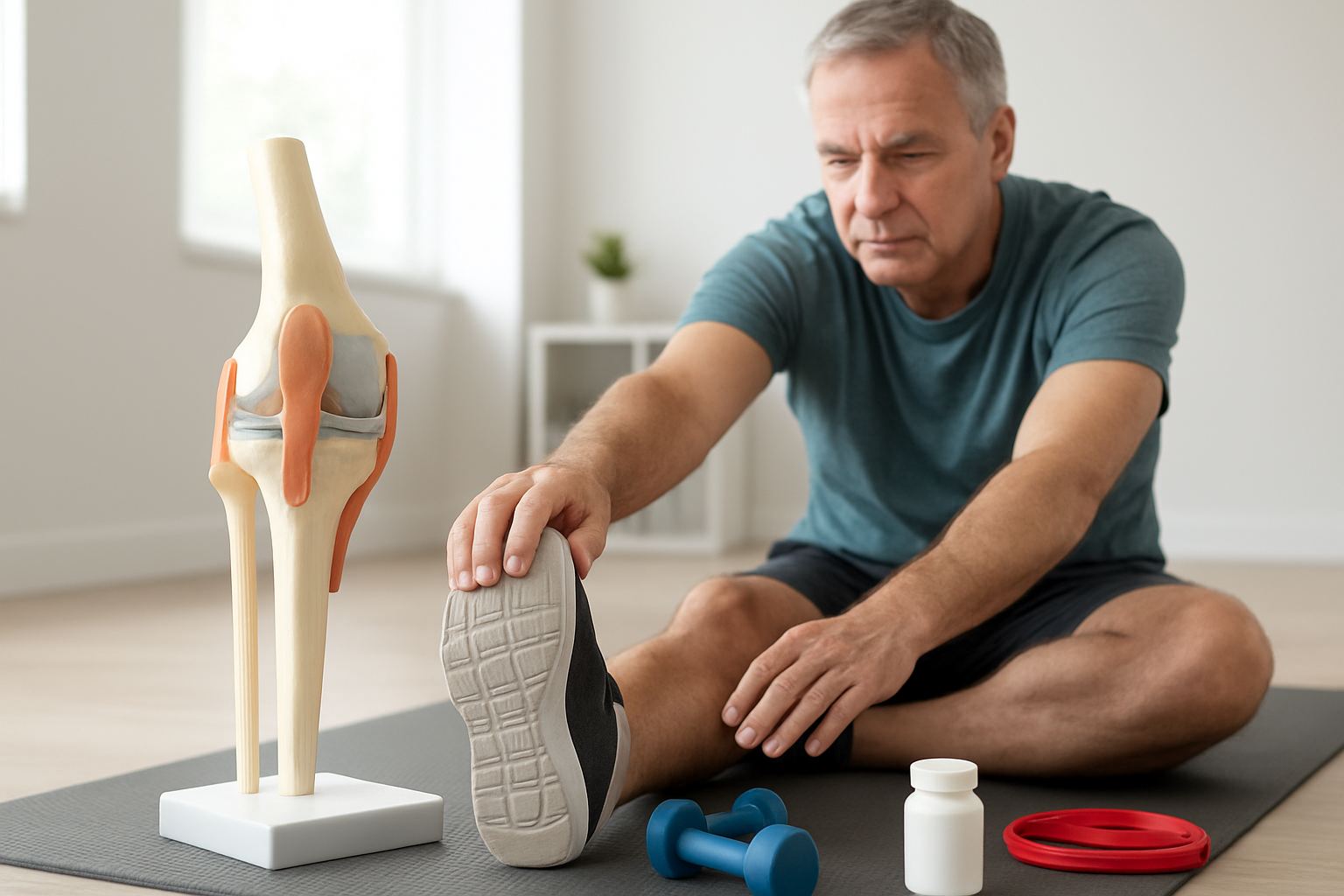
After 50, your joints go through real structural shifts. Cartilage thins and loses its shock-absorbing ability. Synovial fluid — the natural lubricant inside your joints — decreases in volume and quality. Ligaments become less elastic, and the muscles surrounding your joints gradually weaken if left unchallenged. These changes aren’t just wear and tear — they’re predictable, and they affect how your joints handle everyday load and movement.
The Gap Between Feeling Flexible and Having Stable Joints
Flexibility and stability are two completely different things. You might be able to touch your toes but still have unstable knees or a wobbly hip joint under load. Joint stability comes from muscle strength, neuromuscular control, and proper alignment — not range of motion alone. Feeling loose doesn’t mean your joints are protected.
| Flexibility | Stability |
|---|---|
| Range of motion | Load-bearing control |
| Passive tissue length | Active muscle support |
| Feels good short-term | Protects joints long-term |
Why Stretching Addresses Symptoms but Not Root Causes
Stretching can ease tightness and temporarily reduce joint pain over 50, but it doesn’t rebuild weakened muscles, restore cartilage, or retrain your nervous system. For real joint health after 50, you need to go beyond flexibility and target the deeper systems keeping your joints functional.
The Hidden Risks of Relying Only on Stretching
How Overstretching Can Loosen Already Vulnerable joints
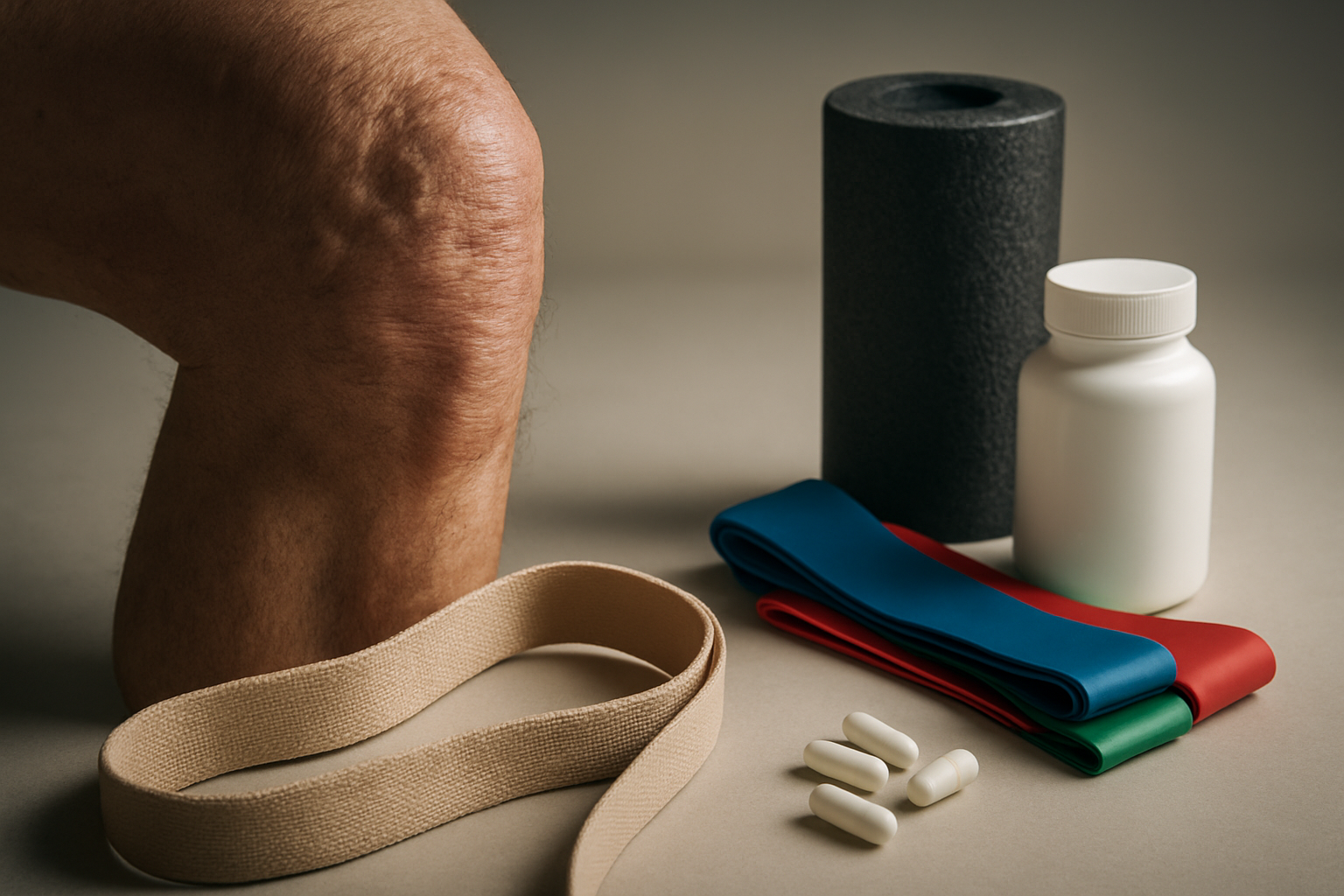
After 50, joint ligaments naturally lose elasticity and become less stable. Aggressive stretching can push these already-weakened structures beyond their safe range, causing micro-tears in connective tissue rather than healing it.
The Link Between Hypermobility and Chronic Joint Pain
Many older adults mistake excessive joint looseness for healthy flexibility. Hypermobile joints actually lack the structural support needed for daily movement, leading to persistent aching, inflammation, and early cartilage breakdown — common complaints behind joint pain relief over 50 searches.
Why Passive Flexibility Without Strength Creates Instability
Flexibility without muscle support is like building a house without a frame. When muscles around the knee, hip, or shoulder are weak, joints absorb impact they were never designed to handle alone. Flexibility vs strength for joints isn’t a competition — both matter, but strength anchors the joint.
| Passive Stretching Only | Stretching + Strength Training |
|---|---|
| Increases range of motion | Controls range of motion safely |
| May loosen ligaments | Supports ligament stability |
| Offers temporary relief | Builds lasting joint protection |
Common Injuries Caused by Stretch-Only Routines in Older Adults
- Rotator cuff strains from overstretched shoulder capsules
- Knee ligament laxity from unsupported hamstring flexibility
- SI joint dysfunction from aggressive hip openers without core strength
- Plantar fascia tears from excessive ankle stretching
What Your Joints Actually Need to Stay Healthy
The Critical Role of Strength in Protecting Cartilage
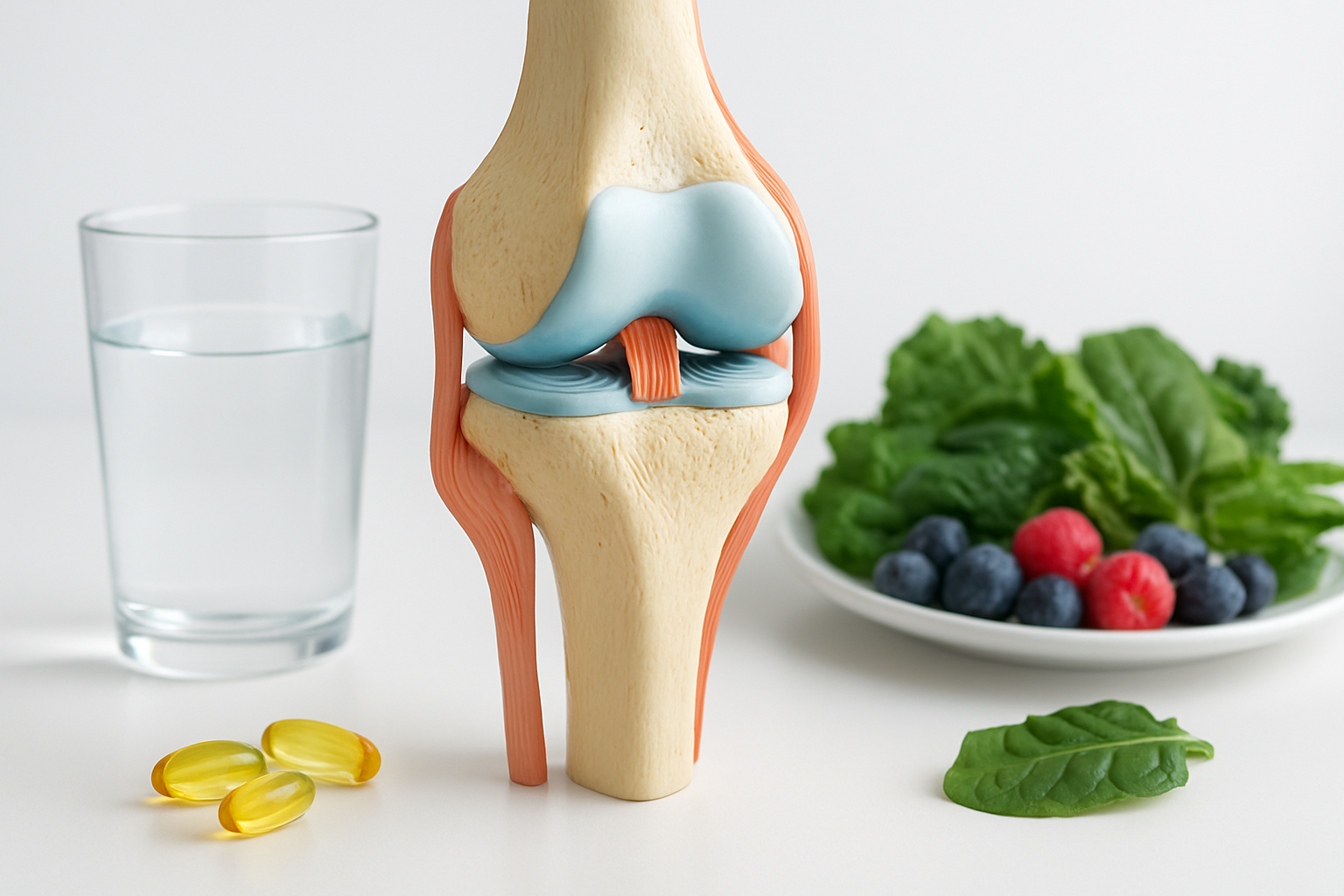
Cartilage has no blood supply — it depends on the compression and release created by movement and muscle contraction to absorb nutrients. Strong muscles around your joints act like shock absorbers, reducing the load that lands directly on cartilage with every step. Without that muscular support, your joints take the hit. Prioritizing strength training for joint health after 50 isn’t optional — it’s the foundation everything else builds on.
How Balance Training Reduces Joint Stress and Fall Risk
Poor balance forces your joints to compensate constantly, creating uneven stress patterns that accelerate wear. Single-leg exercises, stability work, and proprioception drills teach your nervous system to distribute load properly. This directly lowers fall risk — a major concern after 50 — while keeping knee, hip, and ankle joints aligned under movement.
Why Low-Impact Movement Keeps Joints Lubricated and Mobile
Synovial fluid — the joint’s natural lubricant — only circulates when you move. Staying sedentary is one of the fastest ways to stiffen joints and invite pain. Low-impact exercises like swimming, cycling, and walking keep that fluid moving without hammering your joints. Think of it like oiling a hinge: consistent, gentle movement keeps everything gliding smoothly rather than grinding.
The Best Joint-Friendly Exercises for People Over 50
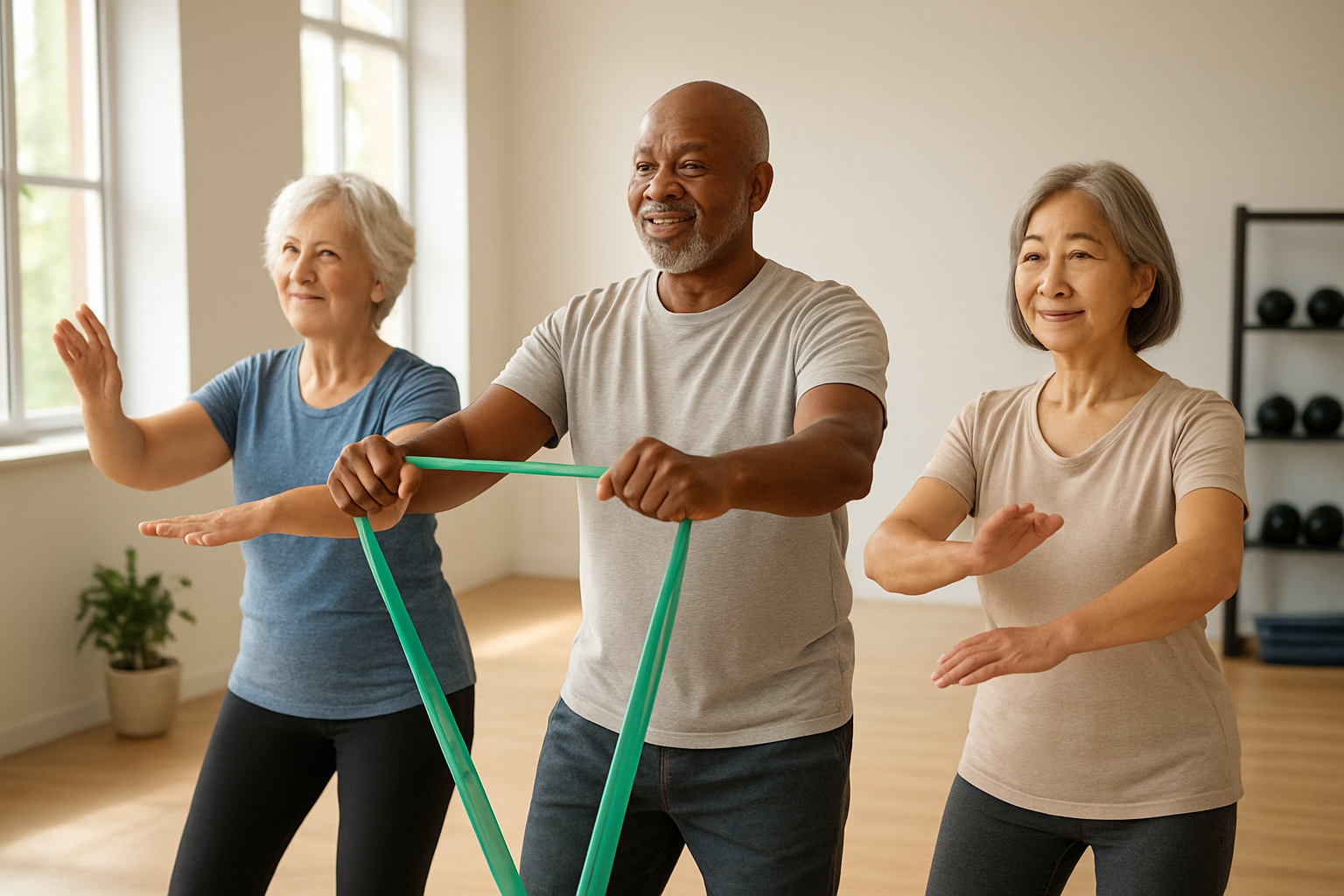
Strength Training Moves That Stabilize Hips and Knees
Squats, step-ups, and glute bridges build the muscle support your joints desperately need. Even bodyweight versions done consistently reduce knee and hip pain significantly. Aim for 2–3 sets of 10–12 reps, three times weekly.
Resistance Band Exercises for Shoulder and Wrist Support
Bands are perfect for joint-friendly workouts for older adults because they create constant tension without heavy loads.
- Banded pull-aparts – strengthens rotator cuff
- Wrist flexion/extension with band – builds grip and wrist stability
- Seated rows – protects shoulder joint alignment
Balance and Proprioception Drills for Everyday Stability
Single-leg stands, heel-to-toe walks, and wobble board exercises retrain your nervous system to protect joints during daily movement — often overlooked but genuinely game-changing for joint health after 50.
Water-Based Exercise for Pain-Free Joint Conditioning
Pool walking, aqua cycling, and water aerobics offload up to 90% of body weight, making them ideal low-impact exercises over 50 that build strength without grinding down cartilage.
How to Safely Combine Stretching With Strength Work
| Timing | What to Do |
|---|---|
| Before workout | Dynamic stretches (leg swings, arm circles) |
| After workout | Static holds (30 seconds each) |
This pairing protects joints while improving long-term flexibility and strength together.
Building a Joint Protection Routine That Actually Works
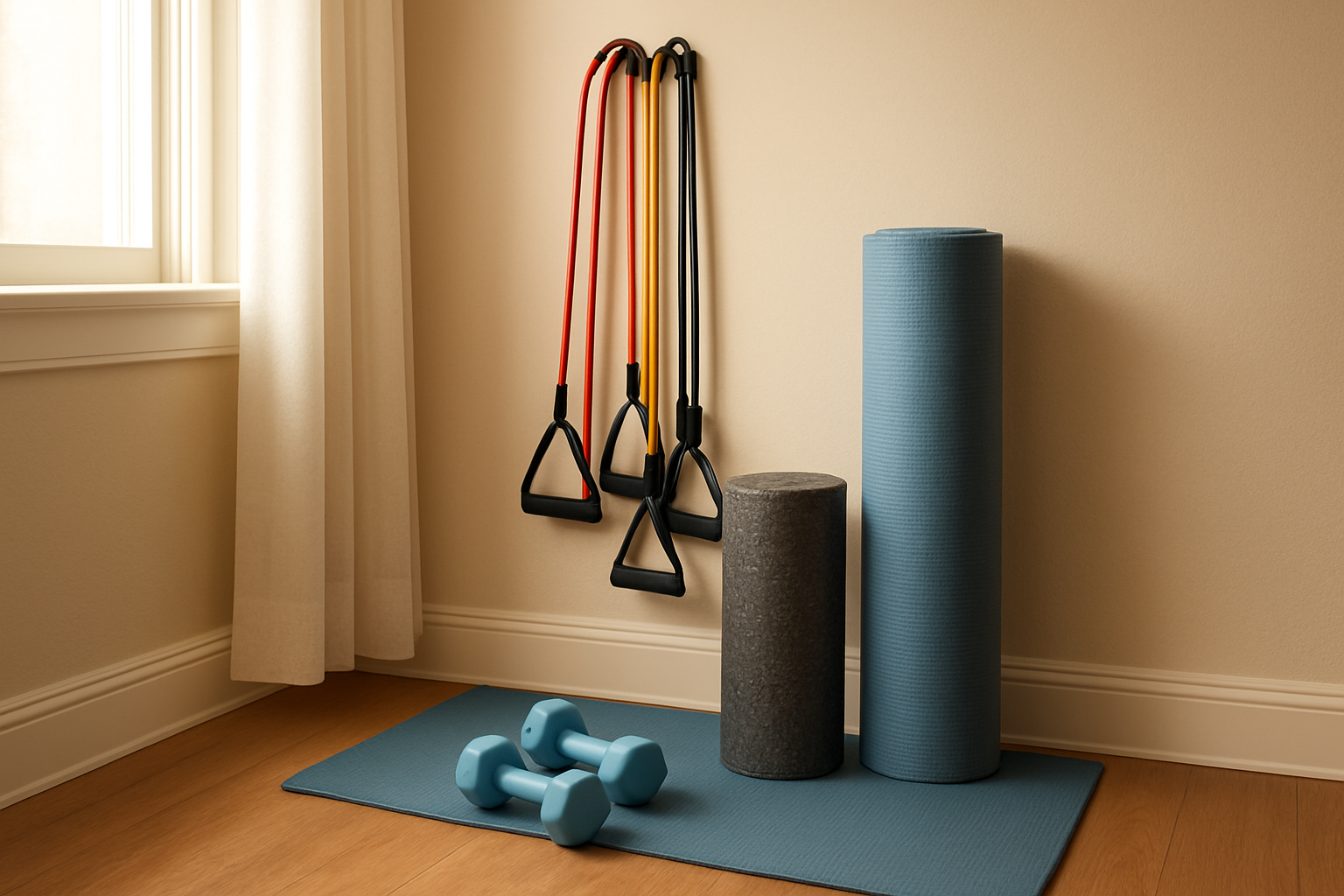
How to Assess Your Current Joint Health and Movement Gaps
Start with a simple self-check:
- Can you squat to pick something off the floor without pain?
- Do your knees ache after climbing stairs?
- Is one side of your body noticeably stiffer than the other?
These everyday movements reveal more than any fitness test. Note where you feel pinching, grinding, or instability — those are your gaps.
The Ideal Weekly Balance of Strength, Mobility, and Rest
| Day Type | Focus |
|---|---|
| 2–3 days | Strength training (low-impact) |
| 2 days | Mobility and controlled movement |
| 1–2 days | Active rest (walking, gentle yoga) |
Rest isn’t laziness — it’s when joints actually recover and rebuild.
Simple Progressions to Build Joint Resilience Over Time
- Weeks 1–2: Bodyweight basics — squats, step-ups, gentle resistance bands
- Weeks 3–4: Add light weights or increase reps slowly
- Month 2+: Introduce balance challenges and single-leg movements
Progress slowly. Joint tissue adapts slower than muscle.
When to Seek Professional Guidance for Joint Concerns
See a physical therapist or sports medicine doctor if you notice:
- Swelling that doesn’t go down after 48 hours
- Sharp or locking pain during movement
- Significant asymmetry between sides
Protecting joint health after 50 works best when you have a professional in your corner for anything beyond normal stiffness.

Stretching feels productive, and it’s not without its benefits — but when it comes to protecting your joints after 50, it’s only one small piece of a much bigger puzzle. Your joints need strength, stability, low-impact movement, and proper nutrition working together. Leaning on flexibility alone leaves a lot of gaps, and over time, those gaps can turn into pain, stiffness, or injury.
The good news is that building a routine that actually protects your joints doesn’t have to be complicated. Start adding strength work, try some low-impact cardio, and pay attention to how your body feels day to day. Small, consistent changes add up fast. Your joints have carried you this far — give them the full support they deserve.