



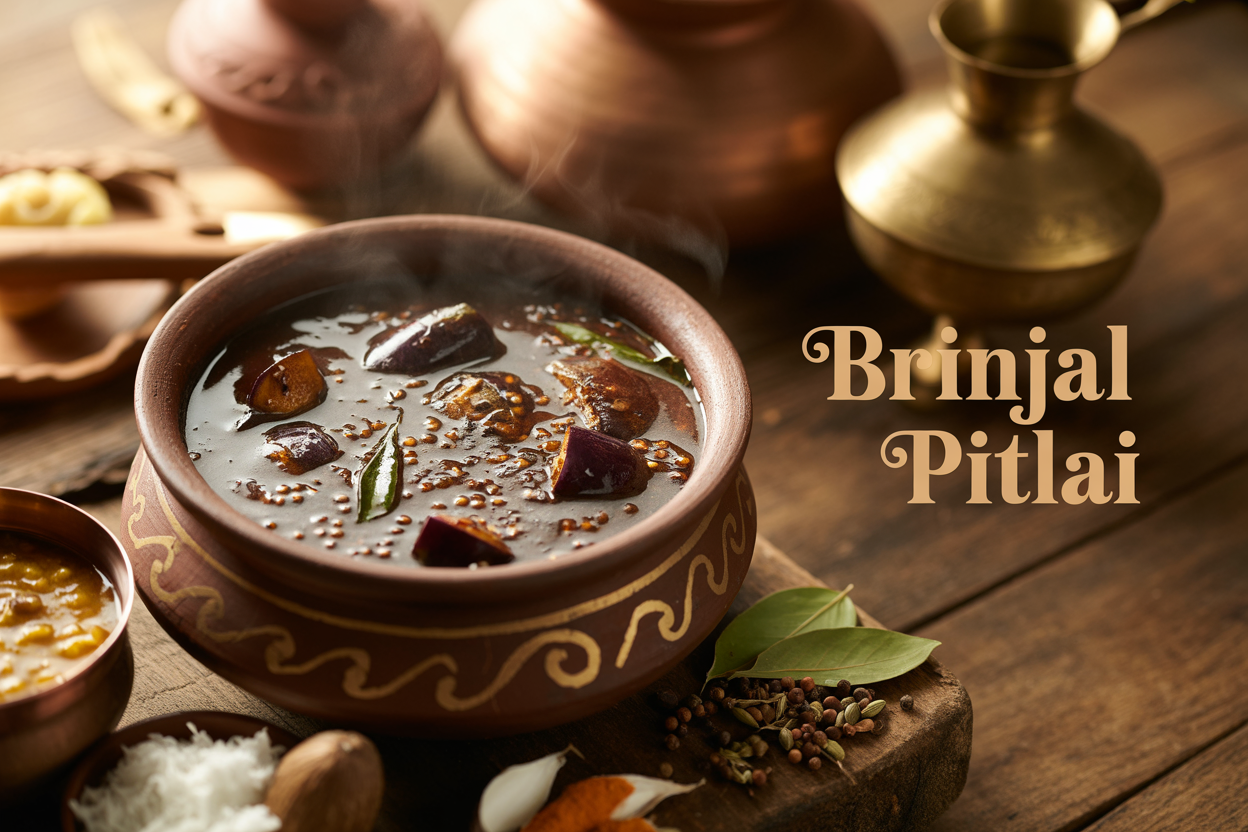
How to Make Brinjal Pitlai Like a South Indian Grandma
If you’ve ever eaten brinjal pitlai at a Tamil home and immediately wanted the recipe, you’re not alone. This thick, tangy, deeply spiced eggplant tamarind curry is the kind of dish that doesn’t just feed you — it stays with you. And yet, most recipes online miss what actually makes it taste like the real thing.
This guide is for home cooks who want an authentic pitlai recipe that goes beyond a basic brinjal dal curry. You don’t need to be an experienced cook, but you do need to care about getting it right.
Here’s what we’ll walk through together:
- The homemade pitlai spice paste — the heart of the dish that store-bought blends simply can’t replace
- How to prep your brinjal and toor dal so the textures actually work together instead of turning into mush
- The tempering finish that ties everything together and gives traditional Tamil pitlai that signature aroma
By the end, you’ll have a brinjal pitlai recipe that tastes like it came straight out of a South Indian grandma’s kitchen — because every technique here did.
Table of Contents
Understanding What Makes Brinjal Pitlai Authentically South Indian
The Cultural Roots of Pitlai in Tamil Cuisine
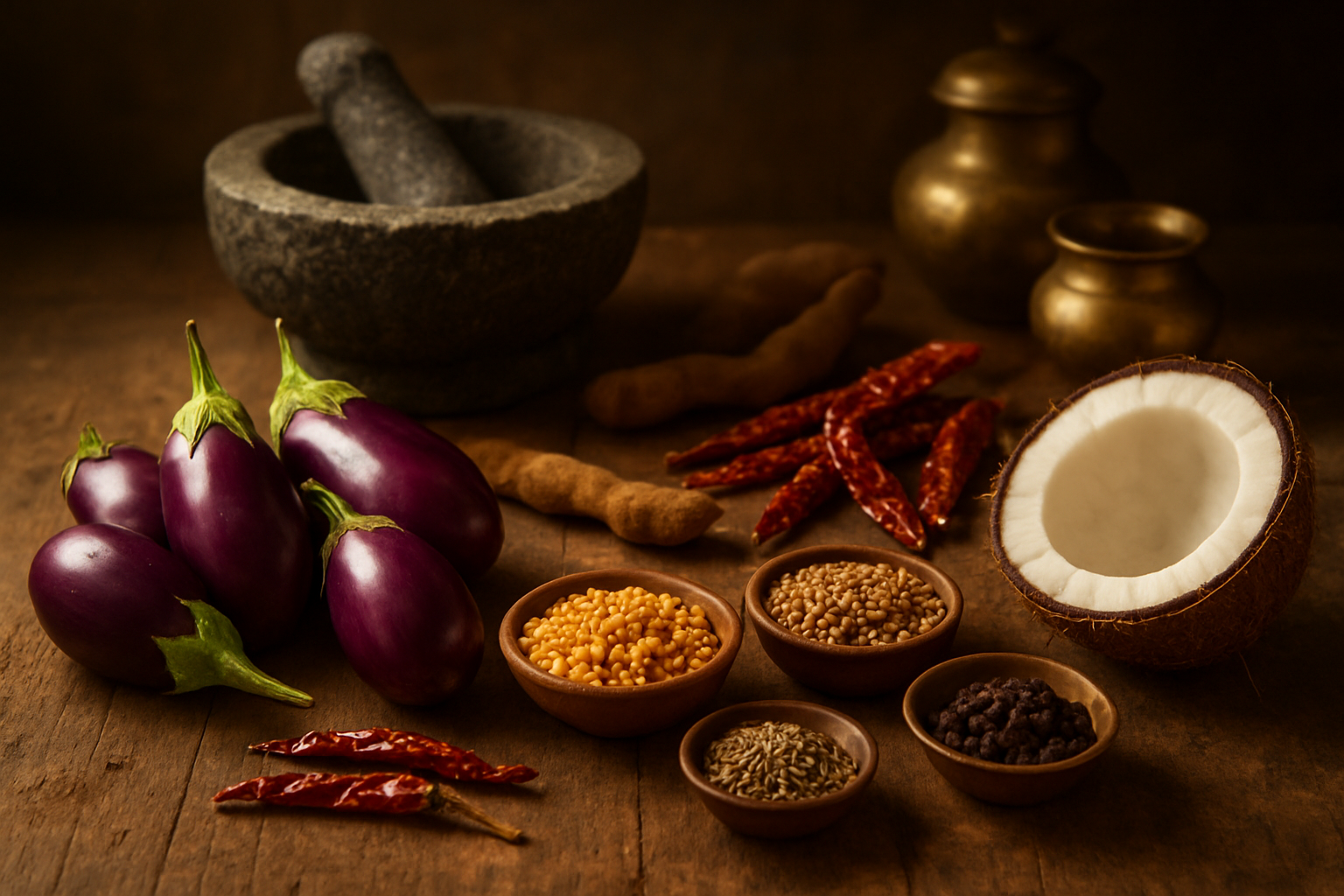
Pitlai is one of those deeply rooted Tamil dishes that shows up at temple feasts, wedding spreads, and Sunday family lunches without fail. It belongs to a category of thick, tamarind-based gravies cooked with toor dal and a freshly ground spice paste — making it distinct from everyday curries. The traditional Tamil pitlai was built around seasonal vegetables like brinjal, bitter gourd, or raw banana, always anchored by that bold, earthy spice paste.
How It Differs from Regular Brinjal Curry
| Feature | Brinjal Pitlai | Regular Brinjal Curry |
|---|---|---|
| Base | Tamarind + toor dal | Tomato or coconut-based |
| Spice paste | Freshly ground | Mostly store-bought masala |
| Texture | Thick and hearty | Thinner gravy |
| Flavor depth | Layered and complex | Milder and simpler |
Why Grandma’s Version Tastes Better Than Restaurant Versions
Restaurants cut corners — they skip the homemade pitlai spice paste and reach for ready-made powders instead. Grandma dry-roasts coriander seeds, chana dal, and dried red chilies herself before grinding them fresh. That extra step is where all the magic hides. Her South Indian grandma recipes also rely on instinct — a pinch more tamarind, a slightly longer simmer — small choices that no recipe card ever captures.
Choosing the Right Ingredients for the Best Flavor
Picking the Perfect Brinjal Variety for Pitlai
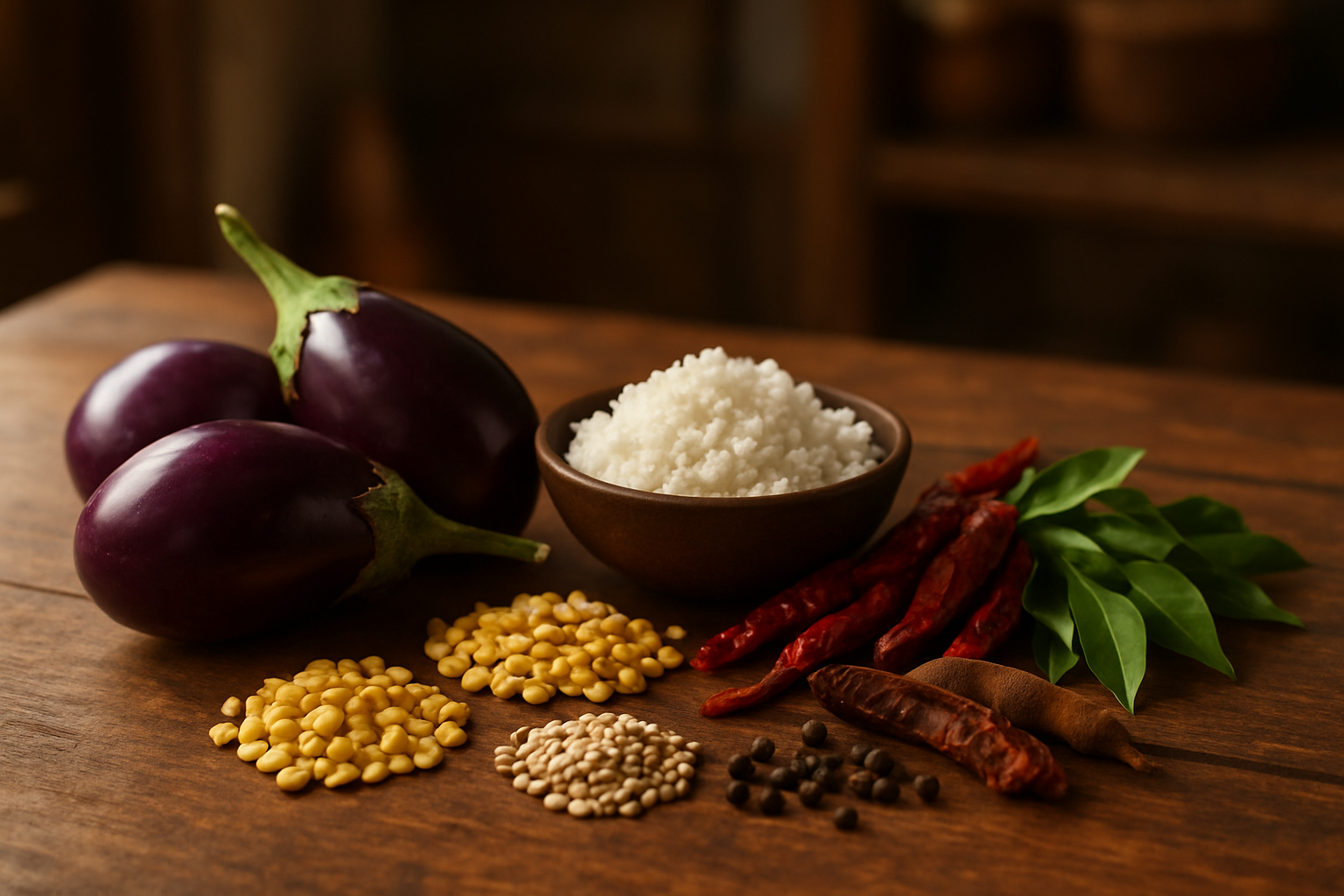
Small, dark purple Indian brinjals work best for this authentic pitlai recipe. They hold their shape during cooking and absorb the tamarind-spice base beautifully without turning mushy. Avoid large Western eggplants — they’re too watery and bland for this dish.
Selecting Fresh Tamarind for a Rich Tangy Base
Always use block tamarind over concentrate. Block tamarind gives your South Indian brinjal curry that deep, rounded sourness that feels genuinely homemade. Soak a lemon-sized portion in warm water, then squeeze and strain for the freshest pulp.
Sourcing the Right Type of Toor Dal
For brinjal pitlai with toor dal, go for split pigeon peas that are pale yellow and relatively fresh — not overly aged or chalky-looking. Fresh toor dal cooks faster and blends into the curry with a creamy, nutty richness that older dal simply can’t match.
Why Freshly Grated Coconut Makes a Difference
This is non-negotiable in any traditional Tamil pitlai. Freshly grated coconut, ground into the spice paste, creates a thick, velvety body that desiccated or frozen coconut just can’t replicate. The natural oils in fresh coconut carry the roasted spices in a way that transforms the entire flavor of the dish.
Mastering the Homemade Pitlai Spice Paste
The Essential Spices That Define Authentic Pitlai
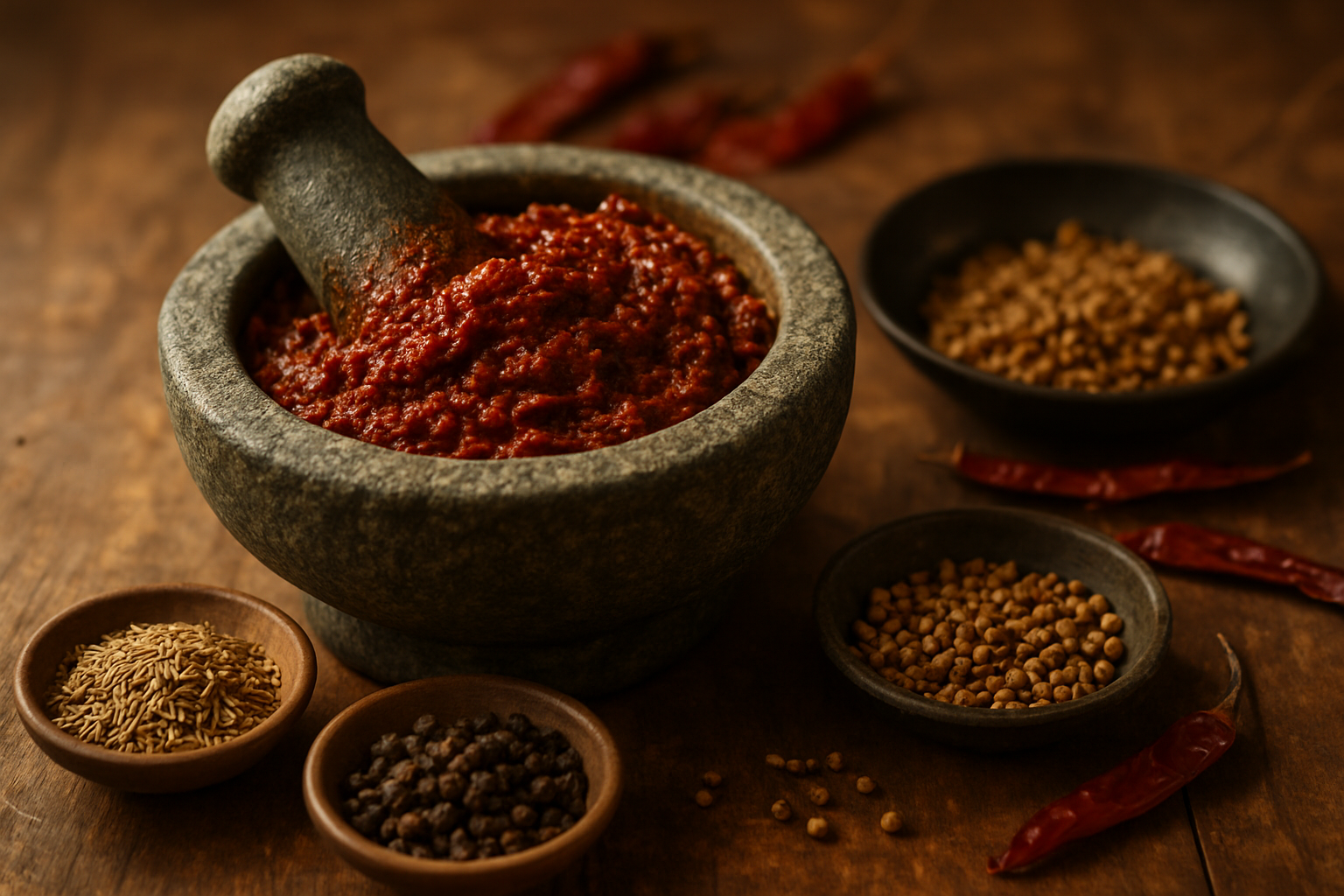
The homemade pitlai spice paste is what separates this dish from any ordinary brinjal curry. The core spices include:
- Dried red chilies (Byadgi or Guntur for heat and color)
- Coriander seeds
- Chana dal (roasted)
- Urad dal (roasted)
- Black pepper
- Cumin seeds
- Freshly grated coconut
How to Dry Roast Spices the Traditional Way
Use a heavy iron or cast-iron pan on low flame. Add each spice separately — starting with dals, then seeds, then chilies. Roast until fragrant, not burnt. Constant stirring is non-negotiable here.
Getting the Right Consistency When Grinding the Paste
Grind roasted spices with coconut while still slightly warm. Add water gradually — the paste should be thick, almost spreadable, not runny. A traditional stone grinder gives the best texture, but a mixer works fine.
Storing Leftover Spice Paste for Future Use
Refrigerate in an airtight container for up to 3 days. Freeze in small portions for up to a month.
Smart Substitutions When Certain Spices Are Unavailable
| Unavailable Spice | Substitute |
|---|---|
| Byadgi chilies | Kashmiri red chilies |
| Fresh coconut | Desiccated coconut (soaked) |
| Urad dal | Skip or reduce chana dal quantity |
Preparing the Brinjal and Dal the Right Way
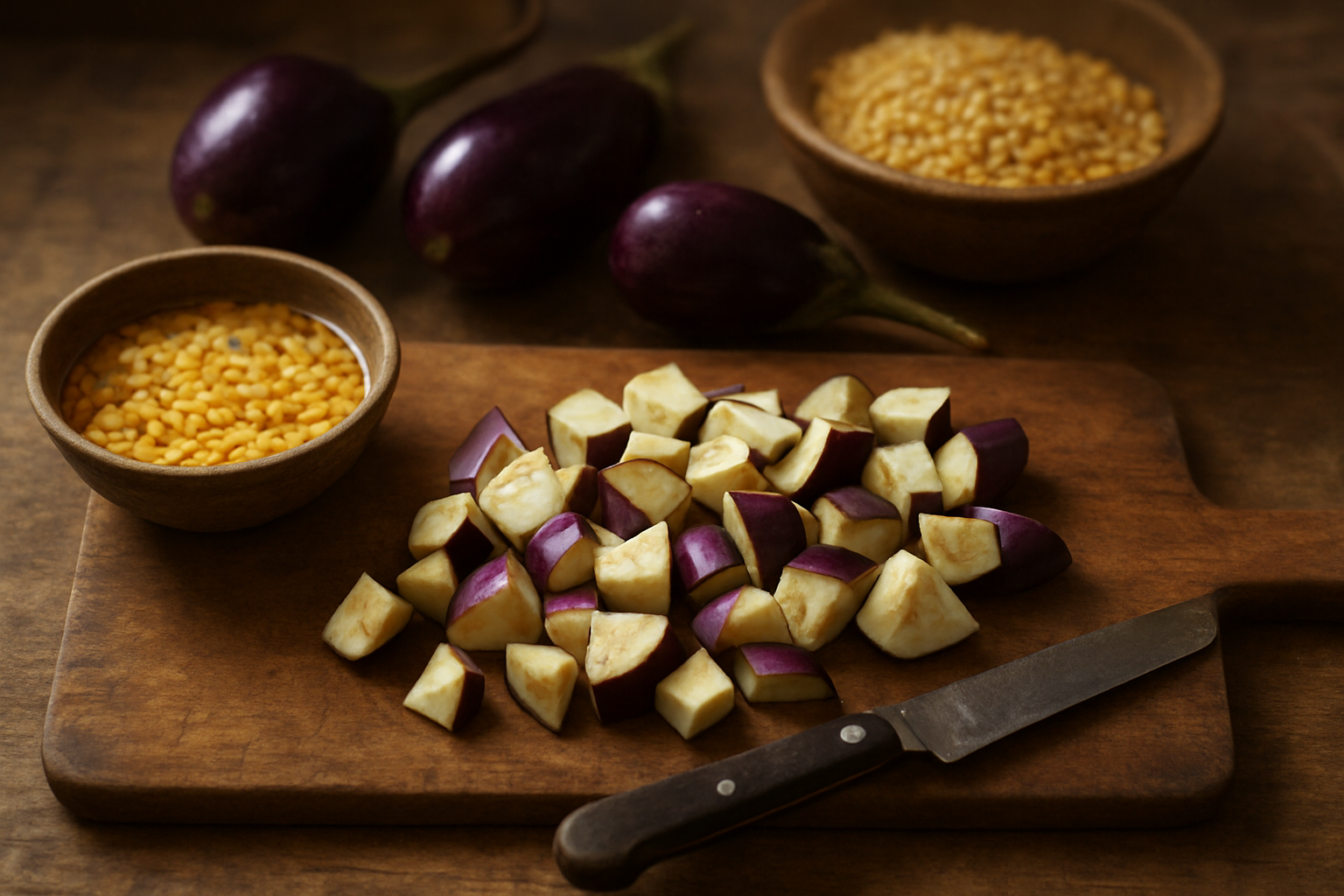
How to Cut and Soak Brinjal to Prevent Bitterness
Pick small, firm brinjals — the purple Indian variety works best for an authentic brinjal pitlai recipe. Cut them into chunky quarters or bite-sized cubes, keeping the pieces generous so they hold their shape during cooking.
Drop the cut pieces straight into a bowl of salted water. Soak for 10–15 minutes. This pulls out the bitterness and stops them from turning an unappetizing brown. Drain and pat dry before cooking.
Cooking Toor Dal to the Perfect Softness
For brinjal pitlai with toor dal, the dal needs to be soft but not mushy — think smooth and mashable, not watery.
- Rinse toor dal 2–3 times until water runs clear
- Pressure cook with a pinch of turmeric for 3–4 whistles
- Mash lightly with the back of a spoon before adding to the curry
Extracting Thick and Thin Tamarind Water for Layered Flavor
This two-stage extraction is a classic trick in traditional Tamil pitlai cooking:
| Extract | How | Purpose |
|---|---|---|
| Thick | Soak tamarind, squeeze directly | Deep, tangy base flavor |
| Thin | Add more water, squeeze again | Adjusts consistency and balances sourness |
Add thin extract first to cook the brinjal, then stir in thick extract toward the end for a punchy finish.
Cooking Brinjal Pitlai Step by Step
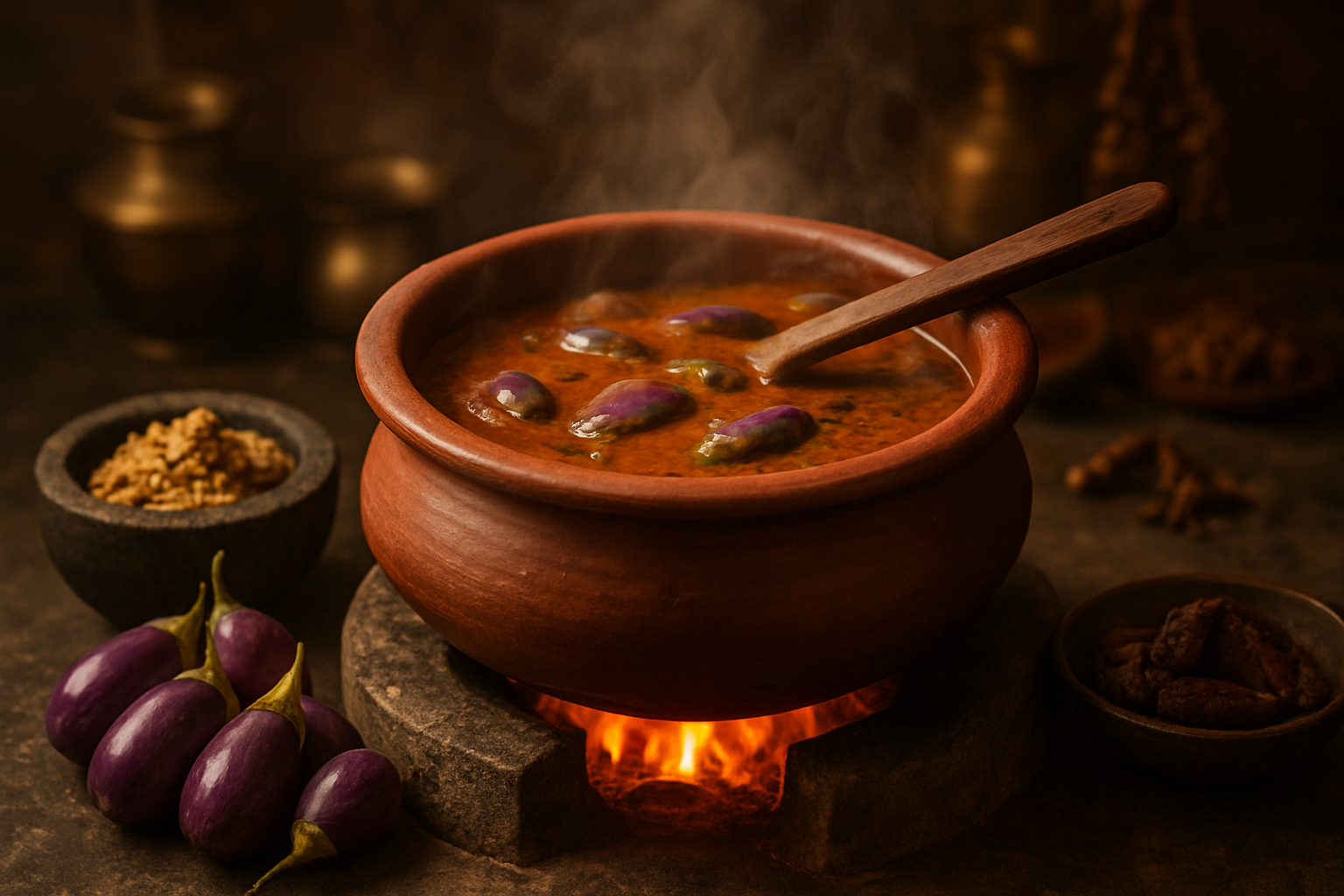
Building the Tamarind Base with Perfect Tanginess
Soak a small lemon-sized ball of tamarind in warm water for 10 minutes, then squeeze out thick pulp. Add it to a pan with water, turmeric, and salt. Cook on medium heat for 8–10 minutes until the raw tamarind smell disappears and the base thickens slightly. This step is non-negotiable — undercooked tamarind makes the whole dish taste sharp and harsh.
Combining Dal, Brinjal, and Spice Paste at the Right Time
Add your cooked toor dal first, stirring it well into the tamarind base. Let it simmer for 2 minutes before adding the brinjal. Drop in the homemade pitlai spice paste and mix everything together. Adding the paste too early burns it; too late leaves it tasting raw.
Simmering to the Ideal Thick Consistency
Keep the heat low-medium and simmer uncovered for 12–15 minutes. Authentic brinjal pitlai should coat the back of a spoon — not watery, not paste-like. Stir occasionally to prevent sticking.
Tasting and Balancing Flavors Like a Seasoned Cook
Taste before finishing. Use this quick guide:
| Off-flavor | Fix |
|---|---|
| Too sour | Add a pinch of jaggery |
| Too bland | Add salt + a little tamarind |
| Too spicy | Add cooked dal |
| Thin texture | Simmer uncovered longer |
Nailing the Traditional Tempering Finish
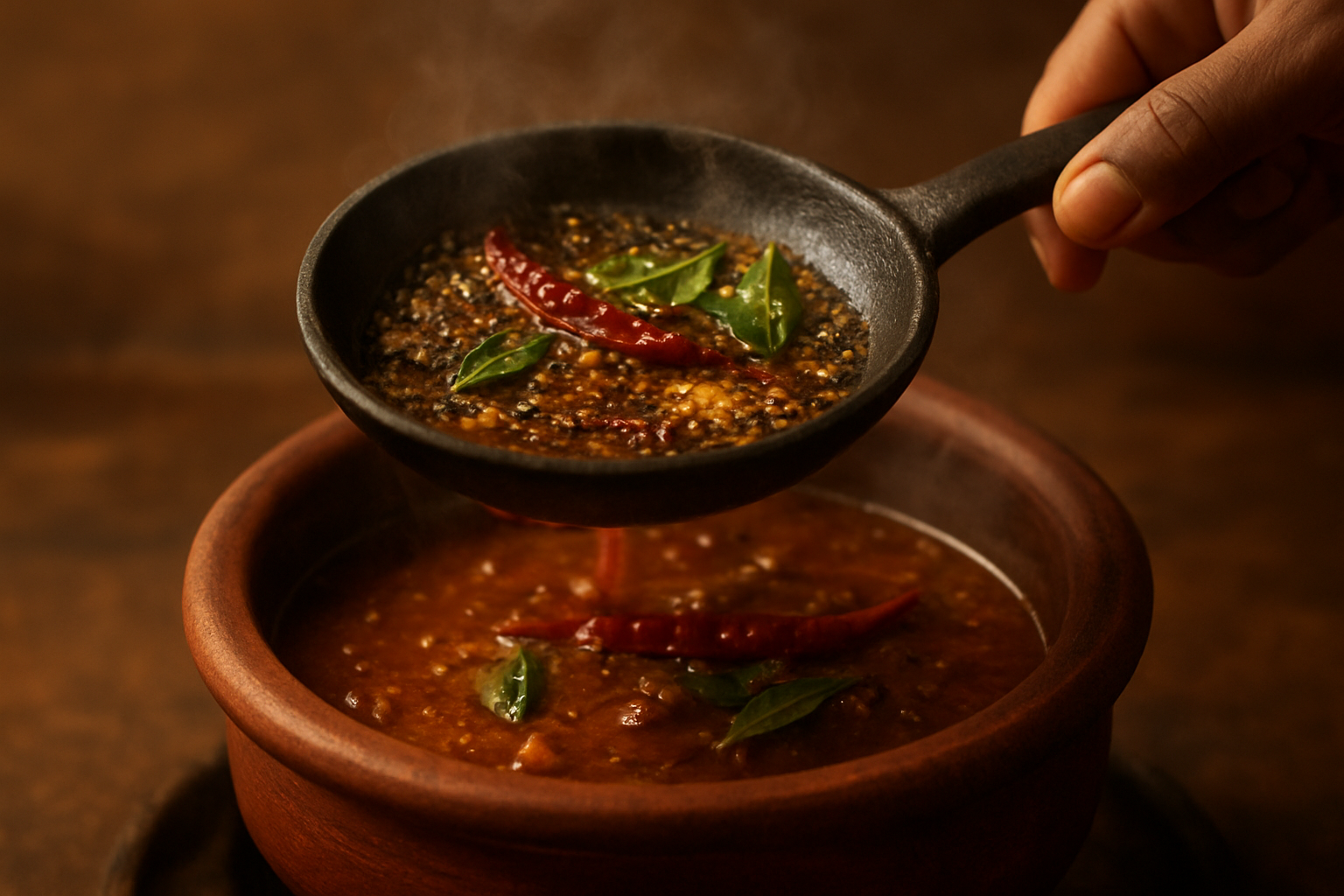
Choosing the Right Oil for an Authentic Tadka
Sesame oil (gingelly oil) is the soul of a traditional Tamil pitlai tempering. Its nutty, slightly sharp flavor ties everything together in a way that coconut oil or sunflower oil simply can’t replicate. If you want that authentic South Indian grandma flavor, sesame oil is non-negotiable.
The Correct Order for Adding Tempering Ingredients
Get your oil hot but not smoking, then add ingredients in this exact sequence:
- Mustard seeds – wait for them to splutter completely
- Dried red chilies – fry for 10–15 seconds until darkened
- Curry leaves – stand back, they’ll spit oil
- Asafoetida (hing) – just a pinch, straight into the oil, no more than 5 seconds
Rushing this order or dumping everything in at once kills the layered aroma that makes this brinjal pitlai recipe special.
How to Pour and Mix Tempering Without Losing Aroma
Pour the tempering immediately into the pitlai while it’s still sizzling — that hissing sound means the aromas are locking into the curry. Gently fold it in with a ladle rather than stirring aggressively. Cover the pot for two minutes afterward so the steam traps every bit of that fragrance inside the dish.
Serving and Pairing Brinjal Pitlai for Maximum Enjoyment
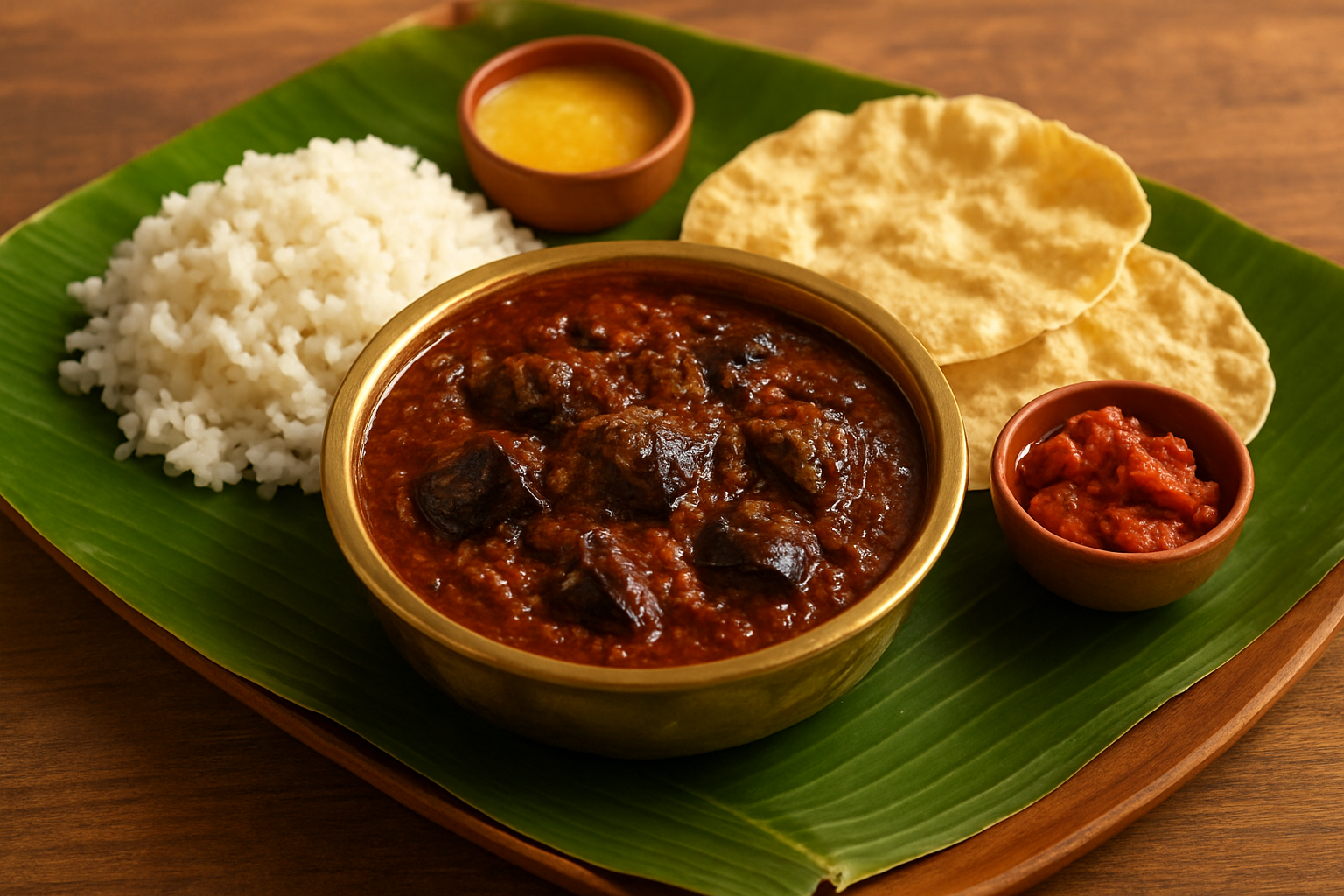
The Classic Way to Serve Pitlai with Rice and Ghee
This South Indian brinjal curry belongs on a banana leaf or a wide steel plate, ladled generously over hot steamed rice. Add a fat spoonful of ghee right on top — it melts into the pitlai and rice together, creating something magical. That’s the traditional Tamil way, and it genuinely makes every bite better.
Side Dishes That Complement Pitlai Perfectly
Pitlai is bold and tangy, so pair it with things that balance rather than compete:
- Appalam (papad) — adds crunch and contrast
- Mor kuzhambu — the cooling buttermilk curry balances the tamarind heat
- Raw onion and pickle — a simple sidekick that cuts through the richness
- Potato roast or vazhakkai fry — earthy sides that sit beautifully alongside brinjal dal curry
Avoid pairing it with another tamarind-based dish — the flavors stack too heavily.
Storing Leftovers While Keeping the Flavor Intact
Good news: this authentic pitlai recipe tastes even better the next day.
- Cool completely before refrigerating
- Store in an airtight container for up to 3 days
- Reheat on low flame with a small splash of water to loosen it
- Avoid microwaving repeatedly — it dulls the spice paste’s aroma
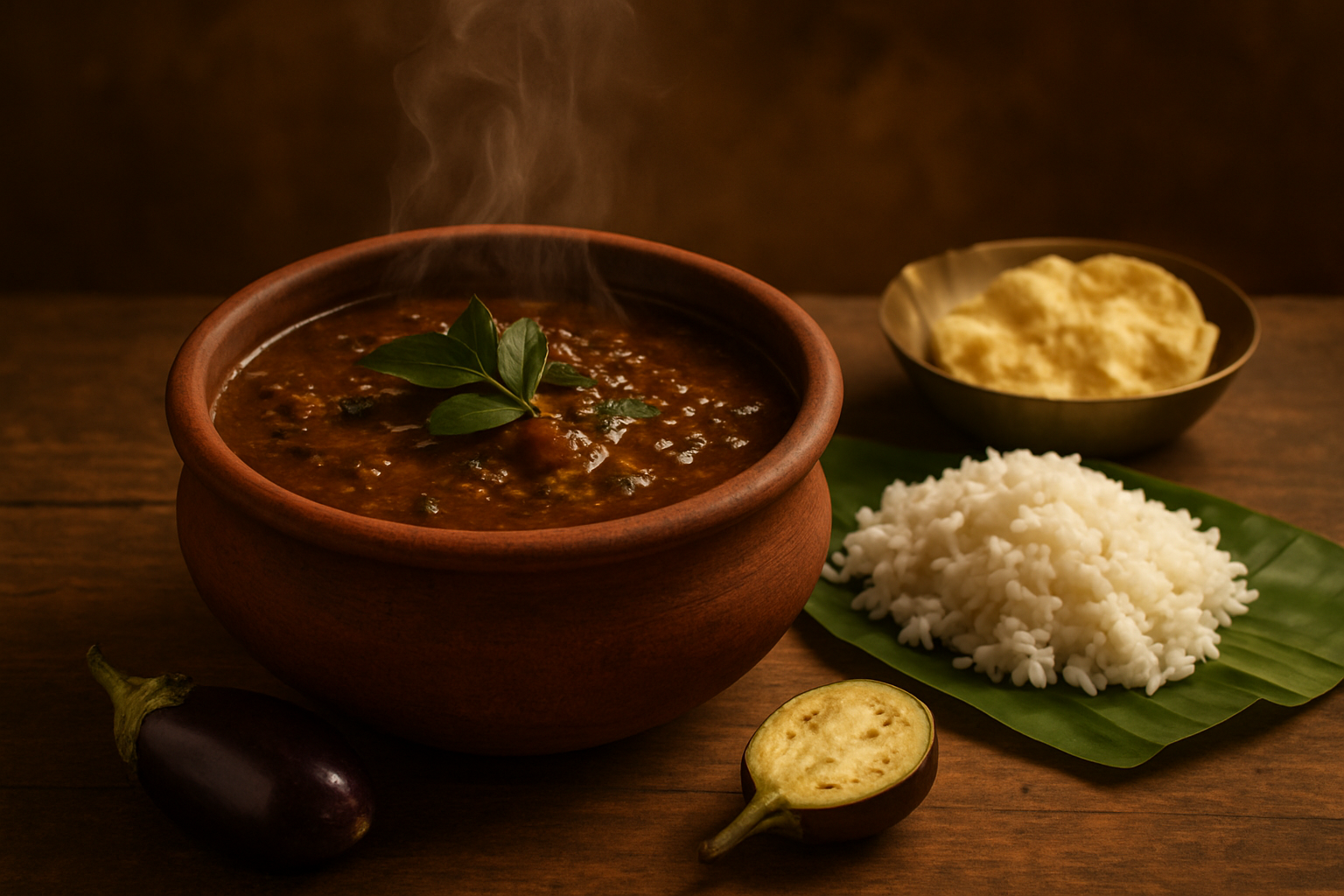
Getting Brinjal Pitlai right is really about respecting the process. From picking the freshest brinjal and the right dal to grinding that spice paste from scratch and finishing it with a sizzling tempering of mustard seeds and curry leaves, every step carries a little bit of that South Indian grandma magic. The flavors don’t come from shortcuts — they come from patience, good ingredients, and knowing when to trust the recipe.
So go ahead and give it a try. Serve it hot with steamed rice, a drizzle of ghee, and maybe some crispy papad on the side. Once you taste that deep, tangy, spiced goodness, you’ll understand exactly why this dish has been a beloved part of South Indian kitchens for generations.