




How to Make Dal Bukhara: 5 Secrets for Creamy Lentils
If you’ve ever tasted Dal Bukhara at a fancy Indian restaurant and thought, “I need this in my life every week,” you’re in the right place.
This guide is for home cooks who want to nail the authentic Dal Bukhara recipe without a tandoor oven, a professional kitchen, or hours of confusion. You just need the right approach and a little patience.
Here’s what we’ll walk through together:
- Why slow cooking is non-negotiable — this one step separates a flat, forgettable dal from a deeply creamy, restaurant-style dal at home
- How to get that smoky flavor most recipes skip entirely
- The butter and cream finish that makes this Indian black lentil recipe taste like someone put in way more effort than you actually did
By the end, you’ll have a solid handle on every secret that makes this slow-cooked dal so irresistible — and a dish your people will ask for on repeat.
Let’s get into it.
Table of Contents
What Is Dal Bukhara and Why It Stands Out
The Origins of This Iconic Dish
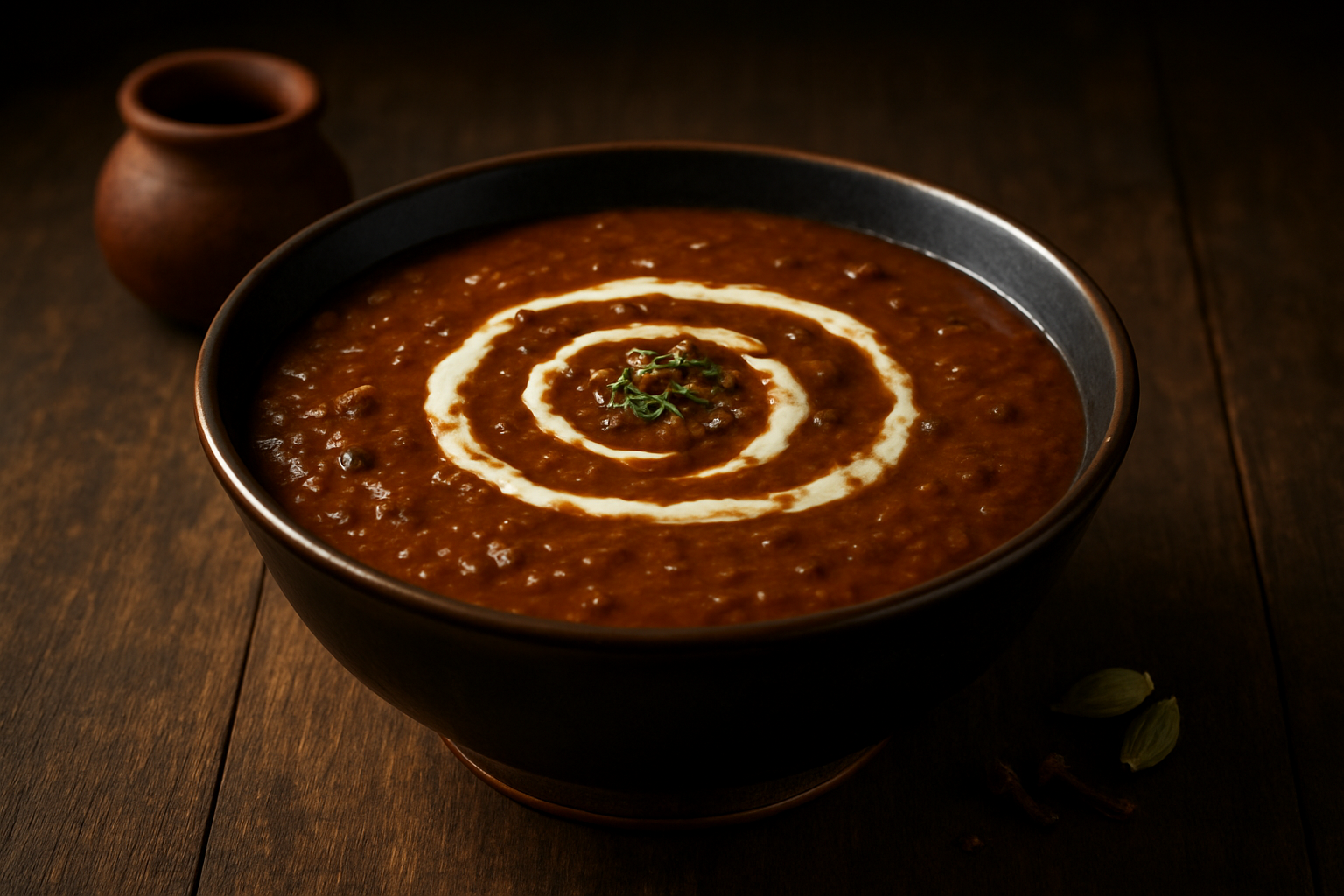
Dal Bukhara was born in the kitchens of the legendary ITC Bukhara restaurant in New Delhi, which opened in 1977. The dish gets its name from the restaurant itself, and over decades it became one of the most celebrated recipes in Indian fine dining — even earning fans like Bill Clinton and the Dalai Lama.
The star ingredient is whole black lentils (urad dal), slow-cooked overnight with tomatoes, butter, and cream until they reach a silky, indulgent texture unlike anything else.
How It Differs from Other Lentil Recipes
| Feature | Dal Bukhara | Dal Makhani | Regular Dal |
|---|---|---|---|
| Lentils | Whole urad dal | Urad + kidney beans | Various |
| Cooking time | 12–24 hours | 2–4 hours | 30–60 min |
| Tomato base | Very heavy | Moderate | Light |
| Texture | Ultra-creamy | Creamy | Thin to medium |
The authentic Dal Bukhara recipe skips kidney beans entirely and leans harder on the tomato base, creating a deeper, richer flavor.
Why Home Cooks Love Making It
- It’s mostly hands-off — time does the heavy lifting
- The ingredients are simple and affordable
- It tastes genuinely restaurant-style at home
- Leftovers taste even better the next day
Essential Ingredients for Authentic Dal Bukhara
Choosing the Right Black Lentils for Best Results
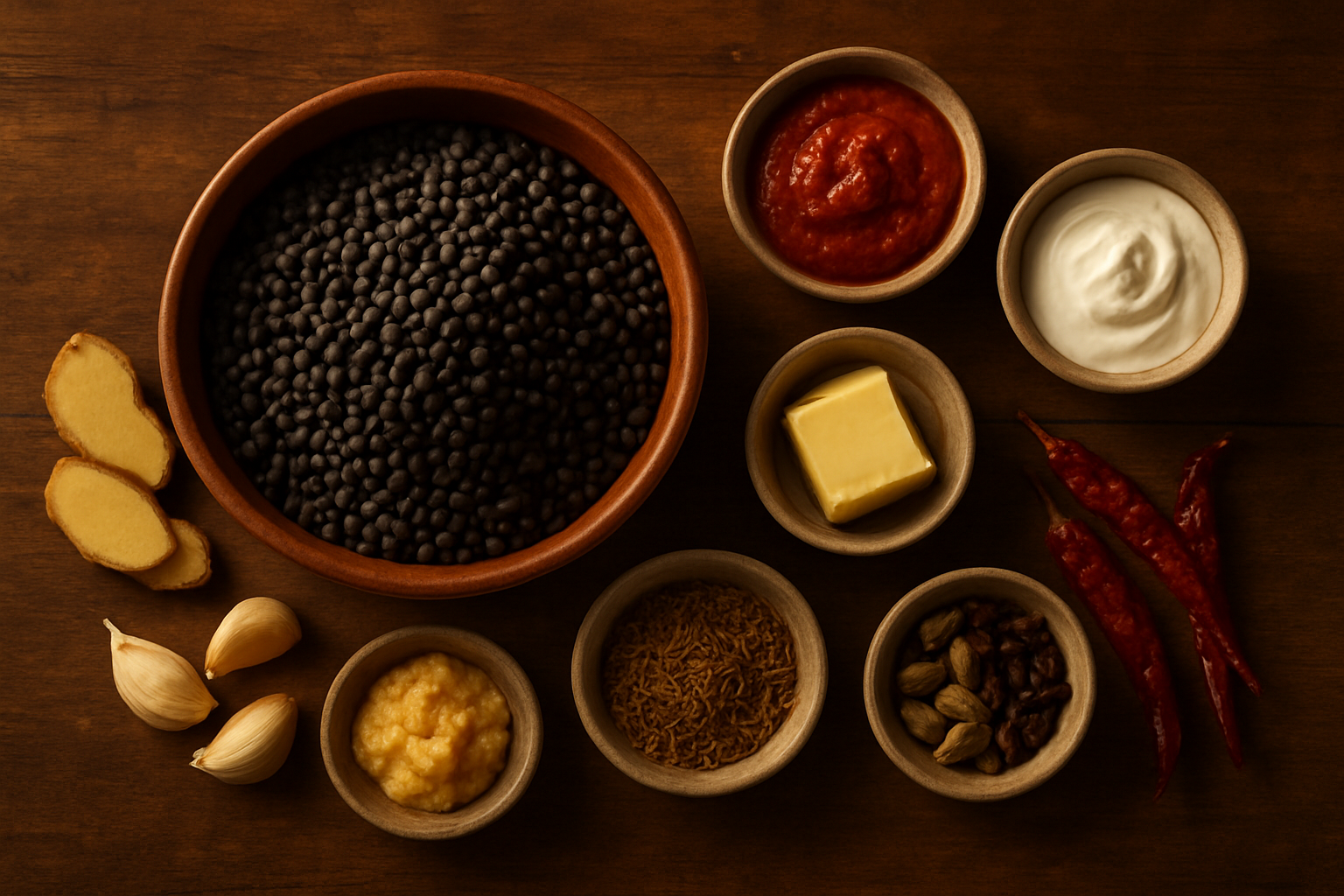
For an authentic Dal Bukhara recipe, whole black lentils (sabut urad dal) are non-negotiable. Skip split lentils entirely — the whole variety holds its shape during long cooking while slowly releasing starch, which creates that signature creamy texture.
- Soak overnight (8–10 hours) for even cooking
- Look for lentils with a deep, uniform black color
- Rinse thoroughly until water runs clear
Key Spices That Build Deep Flavor
This Indian black lentil recipe stays intentionally simple with spices — restraint is the secret.
| Spice | Purpose |
|---|---|
| Kashmiri red chili | Deep color, mild heat |
| Cumin | Earthy warmth |
| Garam masala | Added at the finish for aroma |
| Ginger-garlic paste | Backbone of the flavor |
The Role of Butter and Cream in Achieving Richness
Real butter (not ghee) and heavy cream are what push this butter dal recipe into restaurant territory. Add both toward the end of cooking — stirring in cold butter off the heat gives a glossy, velvety finish.
Tomatoes and Aromatics That Form the Base
Use ripe, pureed tomatoes slow-cooked down until deep red and jammy. Combined with finely minced onions, ginger, and garlic, this base becomes the flavor foundation every slow-cooked dal depends on.
Secret 1: Slow Cooking for Maximum Creaminess
Why Low Heat Transforms the Texture
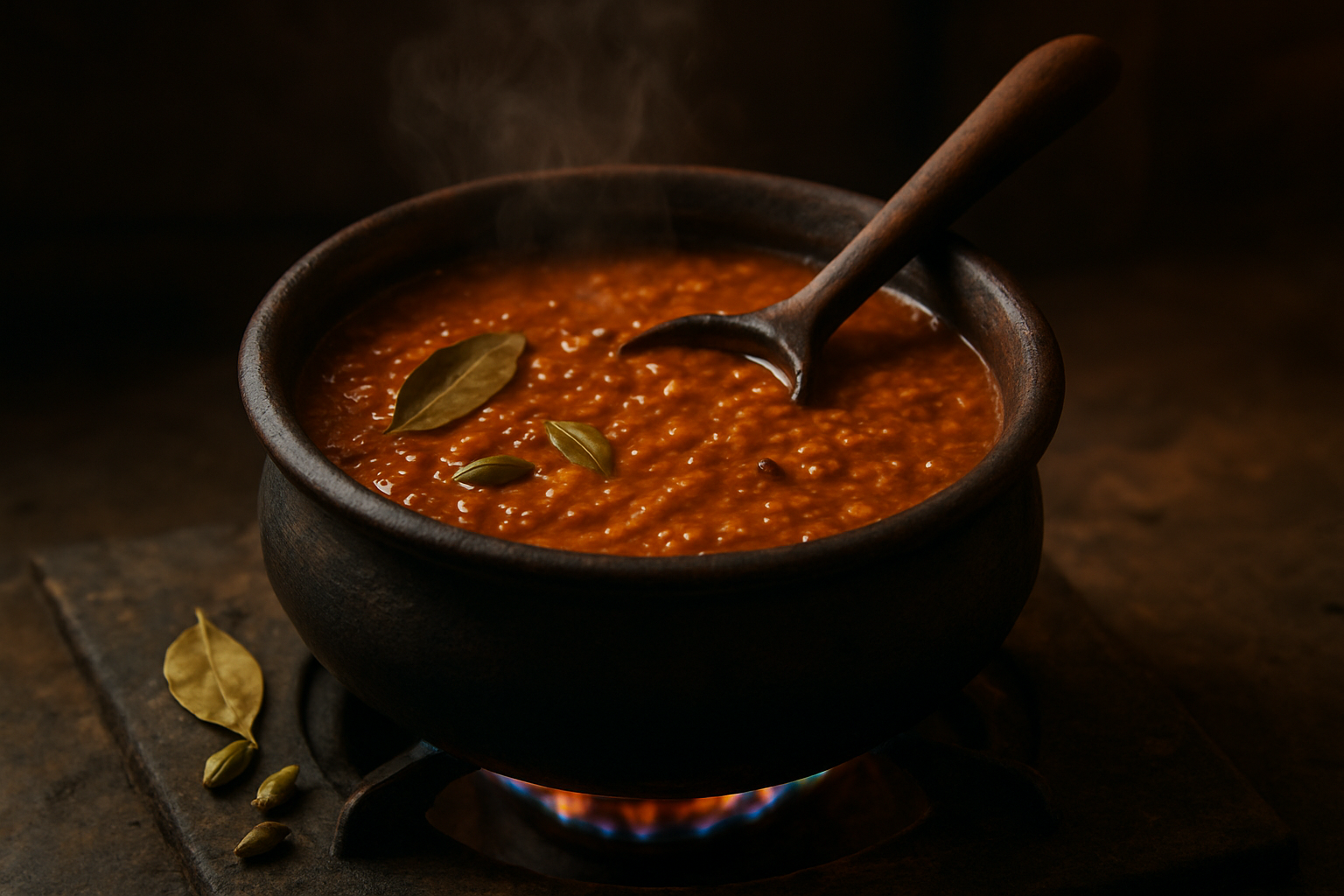
The magic behind any authentic Dal Bukhara recipe is patience. When you cook black lentils (urad dal) over low heat for an extended period, something incredible happens — the lentils gradually break down and release their natural starches, creating that signature thick, velvety texture you’d find in restaurant-style dal at home.
High heat rushes this process and leaves you with grainy, undercooked lentils that just won’t cream up properly. Low, steady heat lets the lentils slowly absorb the spiced tomato base, melding flavors in a way that fast cooking simply can’t replicate.
Ideal Cooking Time for Perfectly Soft Lentils
Getting the timing right is everything in this slow cooked dal:
| Cooking Method | Time Required |
|---|---|
| Pressure Cooker (initial cook) | 45–60 minutes |
| Stovetop slow simmer (after pressure cooking) | 3–4 hours |
| Slow cooker/crockpot | 8–10 hours on low |
- Soak lentils overnight — this cuts down cooking time significantly
- After pressure cooking, continue simmering uncovered so the dal thickens naturally
- Stir every 20–30 minutes to prevent sticking
- The dal is ready when lentils mash easily between your fingers
The longer you let it go, the creamier it gets.
Secret 2: Mastering the Smoky Tandoor Effect at Home
Simple Techniques to Mimic Tandoor Flavor
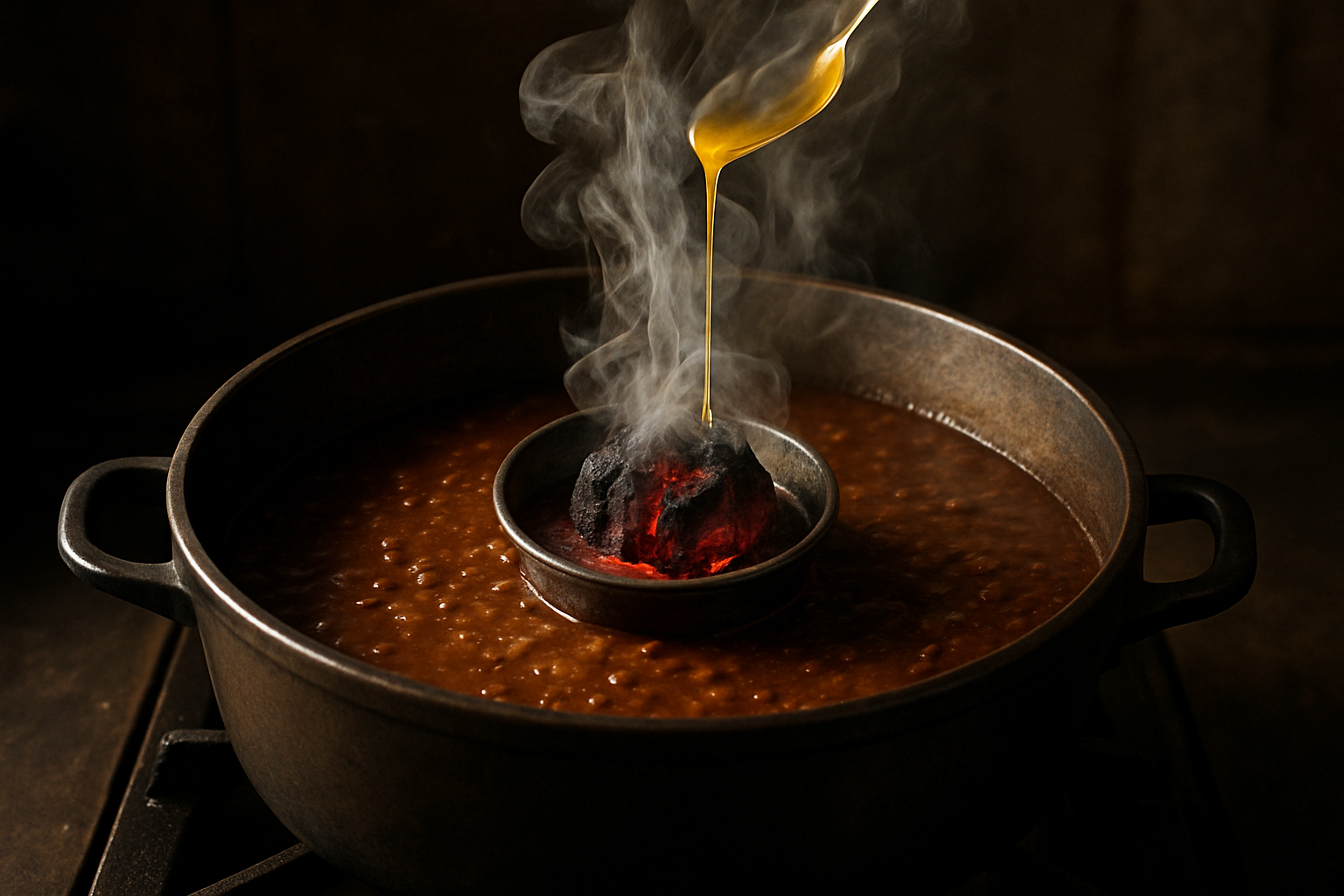
Getting that deep, smoky character into your dal at home is easier than you’d think. The secret lies in a technique called dhungar — an age-old Indian method of infusing smoke directly into food.
Here’s the basic setup:
- Place a small piece of natural charcoal directly on a gas flame until it glows red-hot
- Set a small metal bowl or foil cup in the center of your cooked dal
- Drop the hot coal inside, drizzle a teaspoon of ghee over it, and immediately cover the pot tightly
Using Charcoal or Stovetop Methods Effectively
| Method | Smoke Intensity | Ease |
|---|---|---|
| Natural charcoal (dhungar) | Strong, authentic | Moderate |
| Smoked paprika stirred in | Mild, subtle | Very easy |
| Liquid smoke (few drops) | Moderate | Easy |
For the most restaurant-style dal at home, charcoal wins every time. Smoked paprika works as a quick weeknight shortcut without compromising too much flavor.
When to Add the Smoke for Full Impact
Timing matters a lot here. Always add smoke after the dal has finished cooking and thickened. Smoking mid-cook loses intensity. Let the smoke sit trapped inside for 10–15 minutes before stirring — this lets the flavor penetrate deeply without tasting harsh.
Secret 3: Building a Rich and Flavorful Tomato Base
How to Cook Down Tomatoes the Right Way
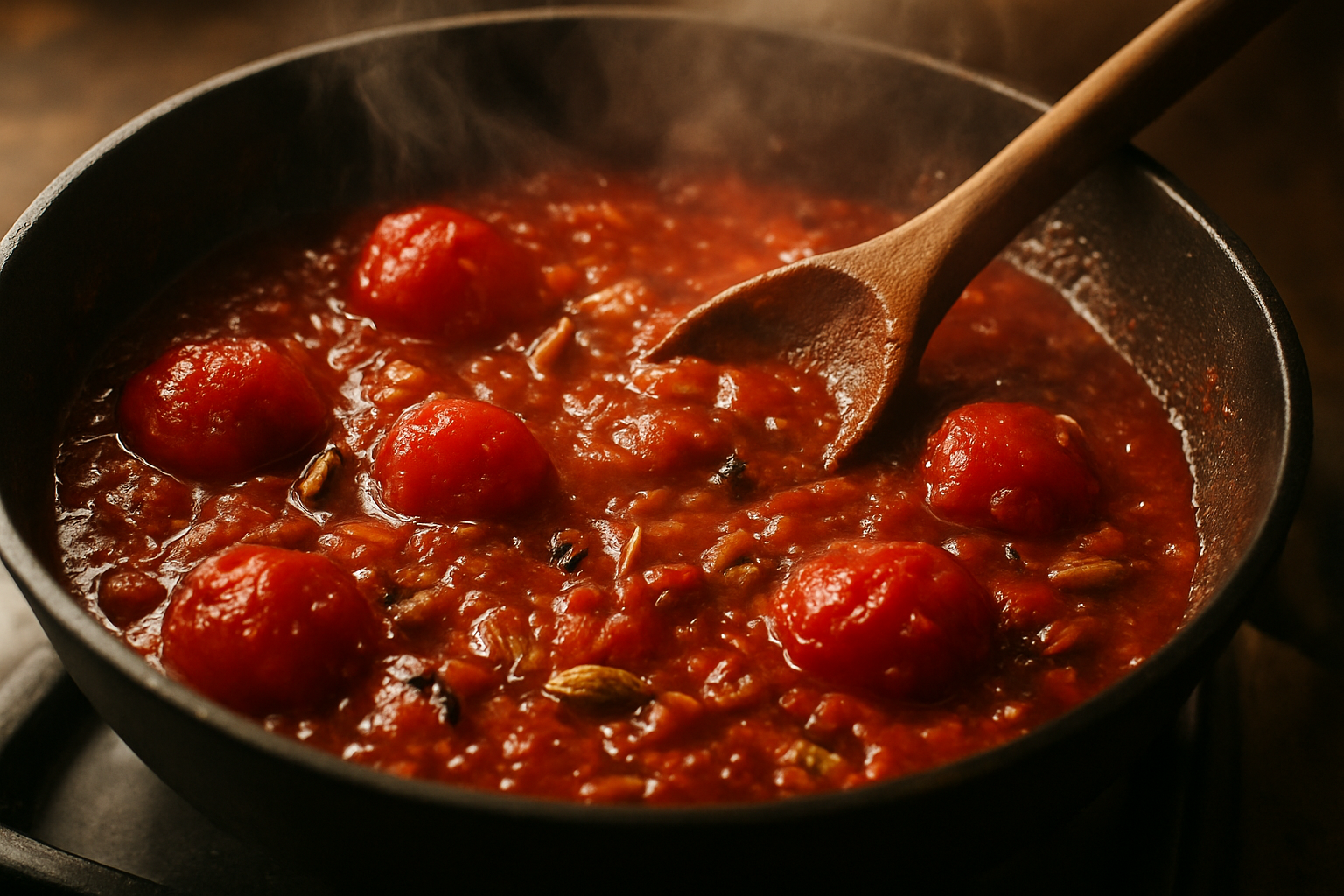
Fresh tomatoes need serious time on the heat. Chop them finely or blend them smooth, then cook them in ghee or oil over medium heat until every drop of moisture evaporates and the mixture turns deep red and pulls away from the pan. This concentrated paste is where the magic starts.
Balancing Acidity for a Smooth Finish
Raw tomato sharpness can throw off your dal completely. A small pinch of sugar or a tiny splash of cream added during cooking rounds out that acidic edge. Taste as you go — the base should taste rich and slightly sweet, never sour.
Layering Spices at the Right Stage of Cooking
Timing your spices matters more than most people realize:
- Whole spices (cumin, bay leaves) go in first with the hot fat
- Ground spices (coriander, cumin powder, garam masala) join after the onions soften
- Red chili powder blooms in the tomato base for depth without bitterness
Why Patience with the Base Makes All the Difference
Rushing the tomato base is the fastest way to get a flat-tasting dal. A properly cooked base — given 20 to 25 minutes of slow, attentive cooking — gives your authentic Dal Bukhara that restaurant-style depth you can actually taste in every spoonful.
Secret 4: Perfecting the Butter and Cream Finish
The Best Time to Add Butter for Maximum Flavor
Timing is everything with butter. Add it in two stages for the best results:
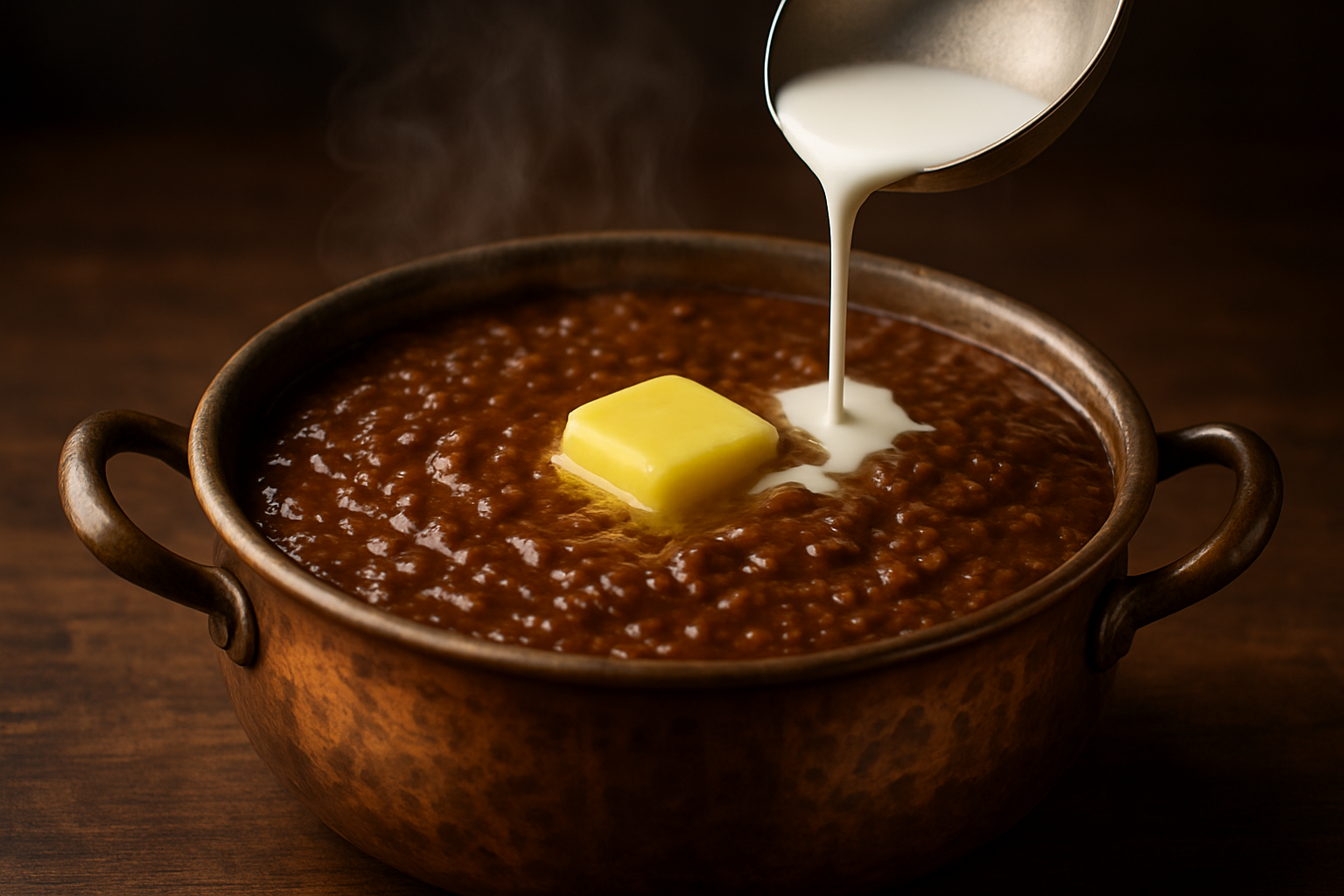
- During cooking: Stir in half your butter about 30 minutes before the dal finishes. This lets the fat meld into the lentils and deepen the overall richness.
- At the finish: Drop in the remaining butter right before serving. This gives that glossy, restaurant-style sheen and fresh dairy flavor that makes a butter dal recipe unforgettable.
Cold butter straight from the fridge works better than room temperature — it melts gradually and blends more evenly.
How Much Cream Gives the Ideal Consistency
For every cup of dry black lentils, 3–4 tablespoons of heavy cream hits the sweet spot. Too little and you miss the signature silkiness; too much and the dal turns cloying.
Stir the cream in on low heat after removing from direct flame to prevent splitting.
Dairy Substitutes That Still Deliver Richness
| Substitute | Flavor Profile | Best For |
|---|---|---|
| Coconut cream | Mildly sweet | Vegan version |
| Cashew cream | Nutty, thick | Closest to authentic |
| Oat cream | Neutral | Light option |
Cashew cream genuinely comes closest to the creamy lentil recipe experience without dairy.
Secret 5: Achieving the Perfect Consistency
How to Adjust Thickness Without Losing Flavor
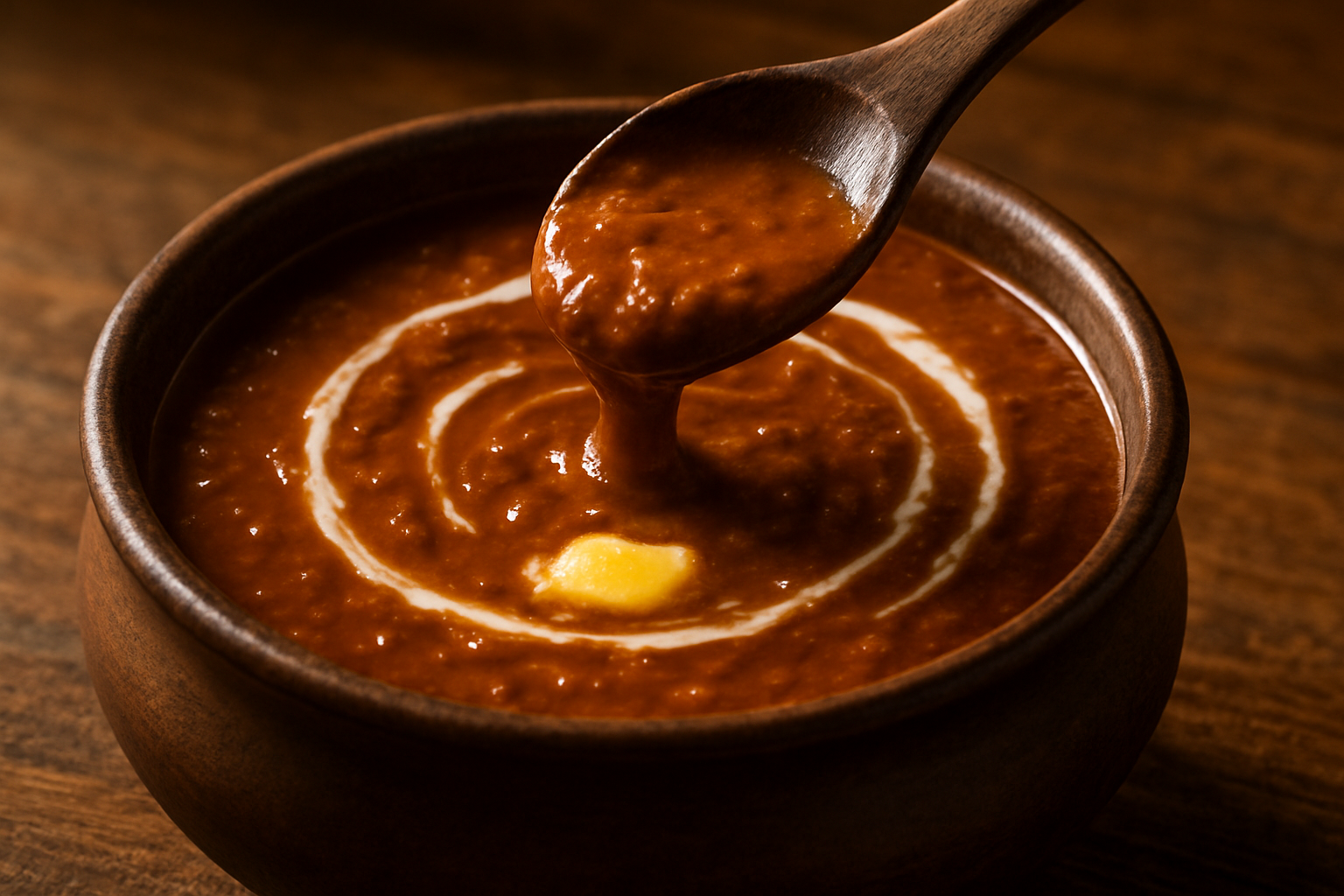
The consistency of your Dal Bukhara recipe can make or break the dish. If it’s too thin, add a small ladle of the dal itself — scoop from the bottom where lentils are thickest — and stir it in. Avoid adding plain water, which dilutes flavor. If it’s too thick, a splash of warm water or light cream works perfectly.
Mashing Techniques That Enhance Creaminess
Partial mashing is the real secret to that restaurant-style dal at home. Use a heavy wooden spoon to press lentils against the pot walls every 20–30 minutes during cooking. You want roughly:
- 30% lentils fully mashed — creates a creamy base
- 50% partially broken — adds body and texture
- 20% whole — gives a rustic, satisfying bite
Never over-blend. Blenders create a paste, not the velvety, slow-cooked dal you’re after.
Fixing Common Texture Problems Quickly
| Problem | Quick Fix |
|---|---|
| Too watery | Simmer uncovered for 10–15 minutes |
| Too thick | Add warm cream or water, stir gently |
| Grainy texture | Cook longer on low heat |
| Lumpy | Stir vigorously and press lumps against the pot |
Low, steady heat always wins over rushing.
Serving and Storing Dal Bukhara Like a Pro
Best Breads and Sides to Serve Alongside
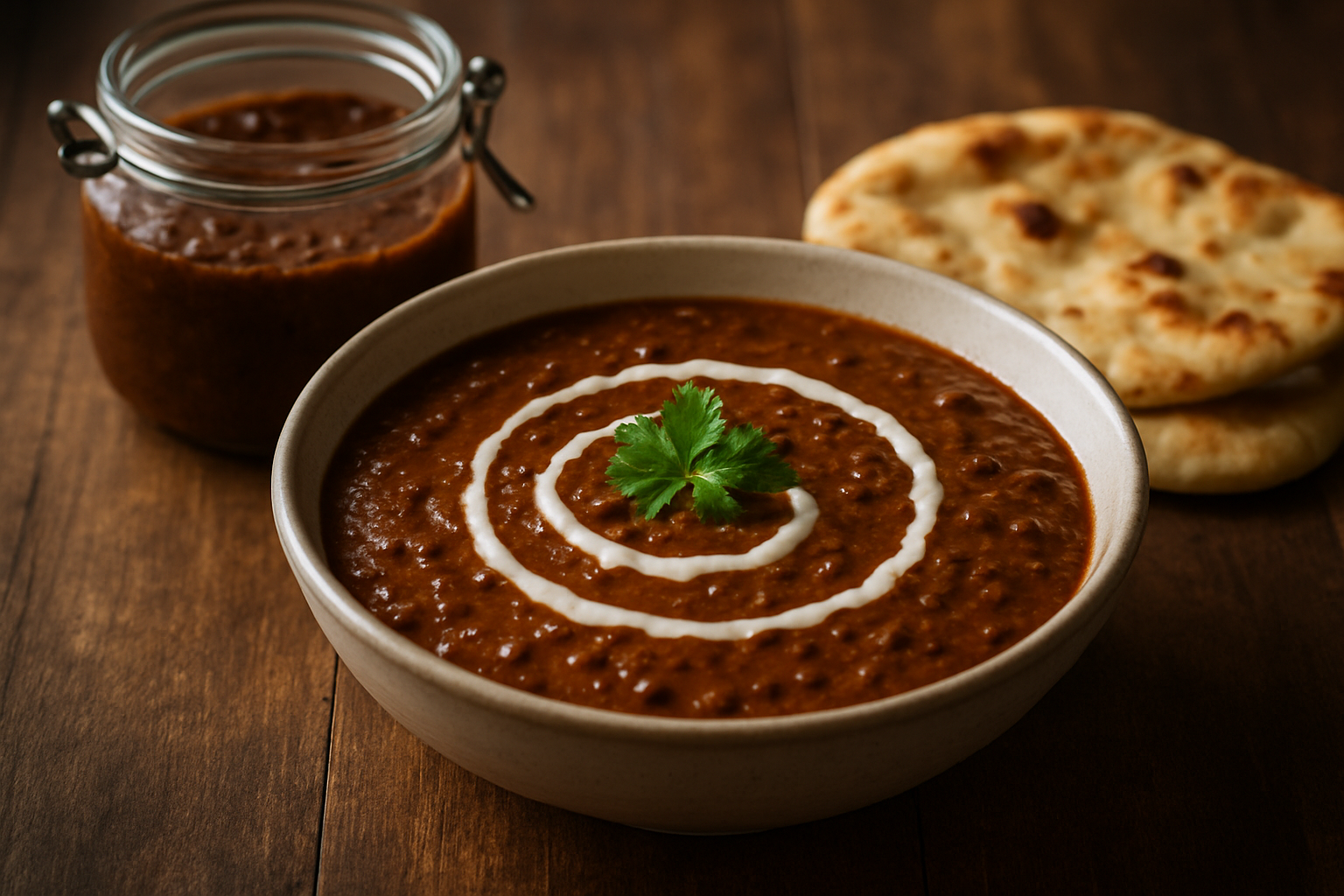
This creamy, restaurant-style dal pairs beautifully with:
- Butter naan – the classic choice, perfect for scooping
- Tandoori roti – adds a slightly smoky contrast
- Steamed basmati rice – lets the rich dal shine
- Laccha paratha – flaky layers soak up the gravy wonderfully
Avoid thin breads like phulka—they’ll tear under this thick dal’s weight.
Garnishes That Elevate Presentation
A few simple touches make a big visual difference:
- A swirl of fresh cream
- A small pat of cold butter melting on top
- Julienned ginger strips
- Crushed kasuri methi (dried fenugreek)
How to Store and Reheat Without Losing Quality
Store cooled dal in an airtight container in the fridge for up to 4 days. When reheating, add a splash of water and warm it on low heat—high heat causes it to seize up and lose its silky texture. Stir frequently and finish with a tiny knob of butter to restore richness.
Freezing Tips for Meal Prep Success
Dal Bukhara freezes exceptionally well. Portion it into freezer-safe containers and freeze for up to 3 months. Thaw overnight in the fridge before reheating. Skip freezing the cream garnish—add it fresh when serving.
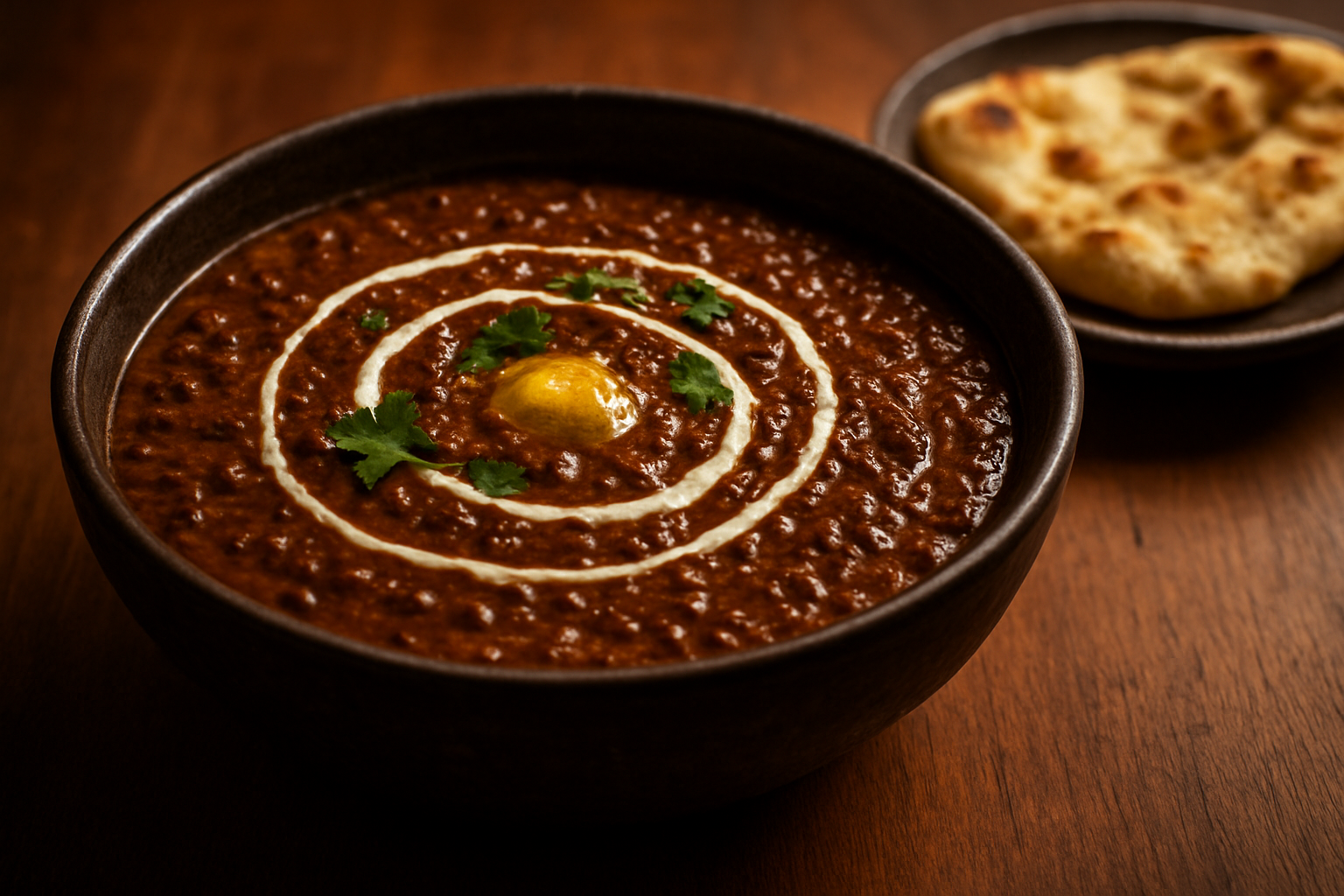
Dal Bukhara is one of those dishes that looks simple but hides a whole world of technique and patience behind it. From slow cooking the lentils to nailing that smoky depth, building a rich tomato base, and finishing it all off with the right amount of butter and cream — every step plays a role in getting that signature creamy, restaurant-quality result right in your own kitchen.
The best part? Once you understand these five secrets, you can make this dish over and over again with confidence. So grab your lentils, be generous with the butter, and let the pot do its magic. Serve it fresh with warm naan or rice, and don’t be surprised when everyone asks for seconds.