



Table of Contents
When Low Water Intake Quietly Steals Your Memory
If you’re caring for an aging parent, noticing your own memory slipping, or just want to protect your brain as you get older, this one’s for you.
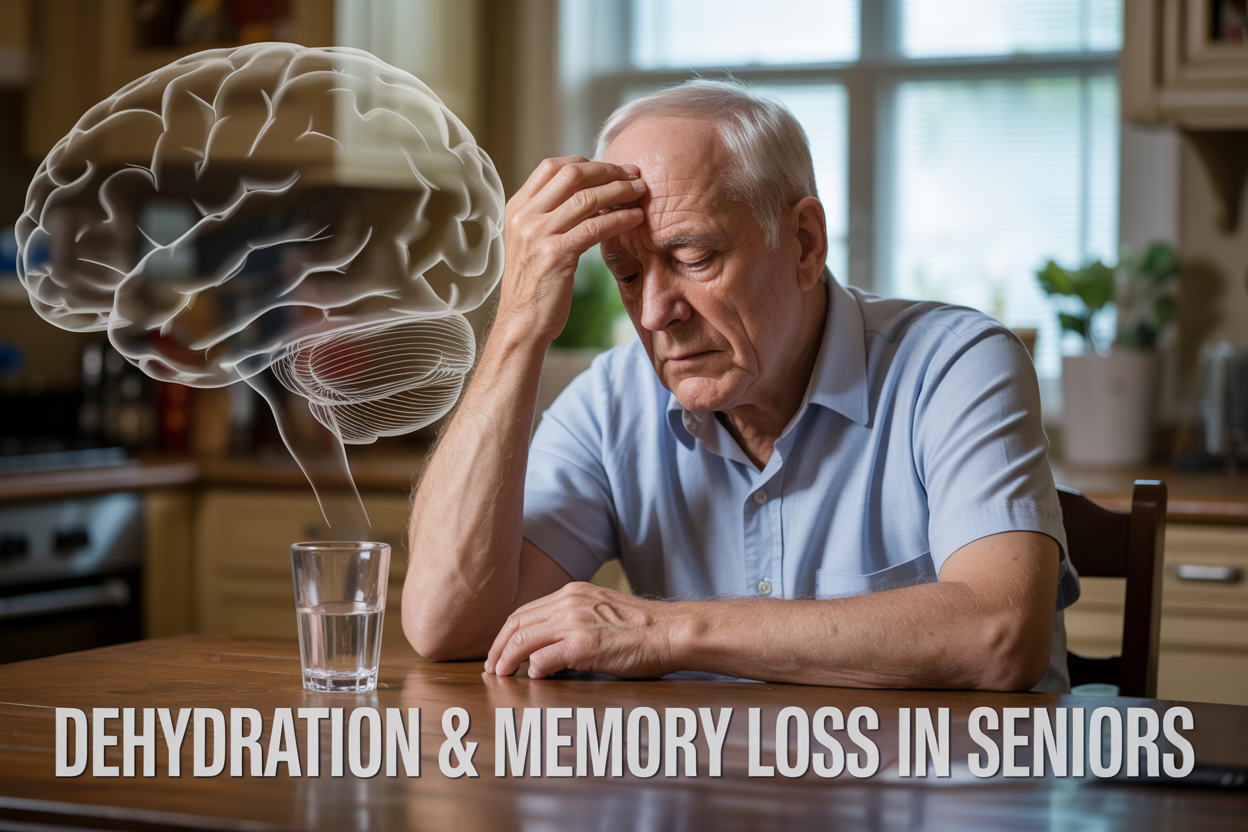
Most people think dehydration means feeling thirsty or dizzy on a hot day. But for older adults, it works differently — and the damage it does to memory can sneak up slowly, often looking a lot like early dementia or just “normal aging.”
Here’s what we’ll walk through together:
- Why older adults lose the ability to feel thirst before dehydration and cognitive decline already set in
- How even mild dehydration affects brain function, making thinking, recall, and focus noticeably worse
- The early signs of dehydration in seniors that families often miss — and practical hydration tips that actually work day-to-day
Dehydration and memory loss in the elderly is more connected than most doctors bring up during a routine visit. By the end of this, you’ll know what to watch for and exactly what to do about it.
Understanding Why Older Adults Are More Vulnerable to Dehydration

How the Aging Body Loses Its Ability to Sense Thirst
Older adults genuinely feel less thirsty, even when their bodies desperately need water. The hypothalamus — the brain region that triggers thirst — becomes less responsive with age. This means seniors can be significantly dehydrated without ever feeling the urge to drink, making dehydration and memory loss in elderly populations a quiet but serious concern.
Common Medications That Increase Fluid Loss in Seniors
Many medications commonly prescribed to older adults accelerate fluid loss:
- Diuretics (for blood pressure or heart conditions) push excess water out through urine
- Laxatives strip fluids from the digestive tract
- Antihistamines and antidepressants reduce saliva and suppress thirst signals
- ACE inhibitors can alter kidney fluid regulation
Seniors on multiple medications face compounding risks that quietly worsen dehydration symptoms.
Why Older Adults Process and Retain Water Less Efficiently
Aging changes how the body manages water at a biological level:
| Factor | Effect |
|---|---|
| Reduced kidney function | Less water reabsorbed into the bloodstream |
| Lower muscle mass | Muscles hold water; less muscle means lower baseline hydration |
| Decreased total body water | Older bodies contain roughly 10% less water than younger ones |
These shifts make even mild fluid deficits enough to affect hydration and brain health in elderly individuals.
The Hidden Connection Between Water Levels and Brain Function
How the Brain Depends on Proper Hydration to Function
The brain is roughly 75% water. When fluid levels drop, brain cells shrink, electrical signals slow down, and blood flow to key memory regions like the hippocampus decreases. Your brain quite literally needs water to keep its chemistry balanced and its signals firing correctly.
Why Even Mild Dehydration Disrupts Cognitive Performance
You don’t need to feel parched for your thinking to suffer. A fluid loss of just 1–2% of body weight can noticeably reduce:
- Attention span and concentration
- Short-term memory recall
- Processing speed and reaction time
How dehydration affects brain function becomes especially visible during mentally demanding tasks, where hydrated and dehydrated individuals show measurable performance gaps.
The Role of Electrolytes in Supporting Memory and Focus
Water alone doesn’t do the job. Sodium, potassium, and magnesium help regulate nerve impulses and maintain the electrical activity that powers memory and focus. When electrolytes are off-balance, communication between brain cells breaks down.
How Dehydration Affects the Brain Differently in Older Adults
Older adults face a tougher battle. Aging reduces:
| Factor | Effect on Hydration |
|---|---|
| Thirst sensation | Less reliable hunger signal |
| Kidney efficiency | Slower fluid retention |
| Total body water | Less reserve to draw from |
This makes dehydration cognitive decline faster and harder to detect in seniors.
Early Warning Signs of Dehydration-Related Memory Decline

Subtle Cognitive Changes Often Mistaken for Normal Aging
Dehydration and memory loss in elderly individuals often go undetected because early signs look remarkably ordinary. Watch for:
- Increased forgetfulness about recent conversations or where items were placed
- Difficulty concentrating on simple tasks like reading or following a recipe
- Slower word retrieval — that frustrating “tip of the tongue” feeling happening more often
- Mood shifts, including sudden irritability or unusual anxiety
These changes feel easy to dismiss as “just getting older,” but they can signal that the brain isn’t getting enough water to function properly.
Physical Symptoms That Accompany Mental Fog in Seniors
Dehydration symptoms in seniors rarely appear alone. Mental fog usually travels with:
- Dark yellow urine or reduced urination
- Dry mouth and persistent headaches
- Fatigue that sleep doesn’t fix
- Dizziness when standing up
How to Distinguish Dehydration From Early Dementia Signs
| Feature | Dehydration | Early Dementia |
|---|---|---|
| Onset | Sudden, hours to days | Gradual, months to years |
| Reversibility | Yes, with fluid intake | No |
| Physical symptoms | Present (dry mouth, fatigue) | Rarely linked |
| Response to hydration | Noticeable improvement | Little to no change |
When cognitive issues improve after drinking more water, dehydration is almost certainly the culprit.
Enter Your Heading
Proven Ways Dehydration Damages Memory Over Time
How Chronic Low Fluid Intake Shrinks Brain Volume
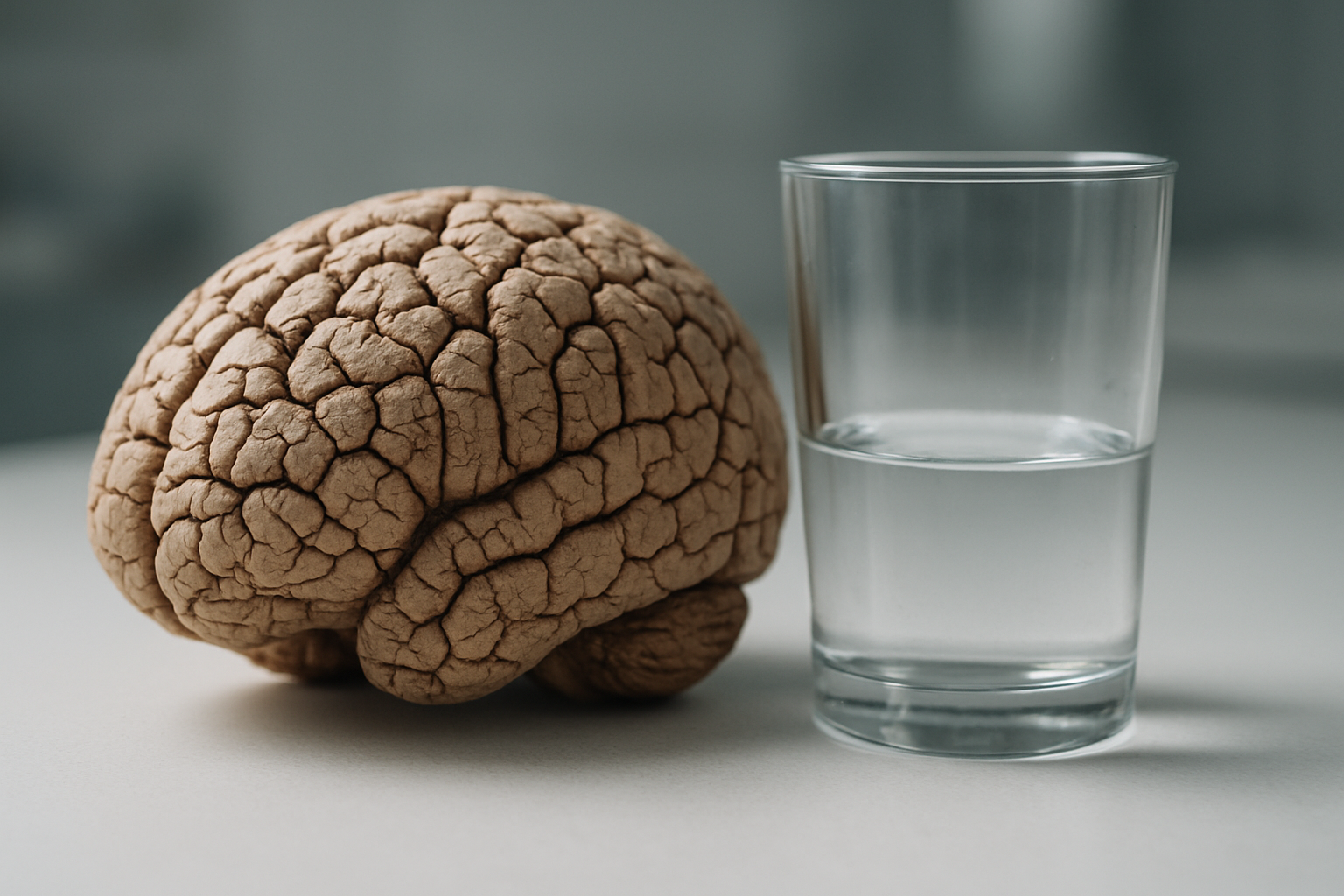
Even mild, ongoing dehydration causes measurable brain shrinkage. Studies using MRI scans show that chronically under-hydrated adults display reduced gray matter volume — directly affecting areas tied to dehydration and memory loss in elderly populations.
The Link Between Dehydration and Reduced Concentration and Recall
When fluid levels drop, electrical signals between neurons slow down. Older adults experience noticeably shorter attention spans, struggle to retrieve words, and lose the ability to hold multiple pieces of information at once.
How Poor Hydration Accelerates Cognitive Aging
Hydration and brain health in elderly adults are tightly connected. Chronic dehydration raises cortisol levels, damages the blood-brain barrier, and speeds up cellular aging in the hippocampus — the brain’s memory hub.
Research Findings Connecting Fluid Intake to Memory Performance
| Study Focus | Key Finding |
|---|---|
| Water intake and recall | 1% fluid loss reduced short-term memory by up to 12% |
| Daily hydration habits | Seniors drinking 6+ cups daily scored higher on cognitive tests |
Why Repeated Dehydration Episodes Compound Long-Term Damage
Each dehydration episode leaves behind subtle neural damage. Over months and years, these episodes stack up, creating a pattern of dehydration cognitive decline that becomes harder to reverse with age.
Simple and Effective Strategies to Keep Seniors Properly Hydrated

Easy Daily Habits That Make Drinking More Water Manageable
Small changes add up fast. Try these simple senior hydration tips:
- Start each morning with a full glass of water before coffee
- Drink a glass before every meal and after every bathroom visit
- Keep a water bottle visible on the counter or nightstand
- Set a goal of 6–8 cups daily, adjusting for body weight and activity
Hydrating Foods That Support Brain Health in Older Adults
Food can cover up to 20% of daily fluid needs. Great options include:
| Food | Water Content |
|---|---|
| Cucumber | 96% |
| Watermelon | 92% |
| Strawberries | 91% |
| Soup/broth | High + electrolytes |
| Yogurt | 85% |
These foods also deliver nutrients that directly support hydration and brain health in elderly adults.
How Caregivers Can Monitor and Encourage Fluid Intake
- Offer drinks proactively — don’t wait for seniors to ask
- Check urine color daily (pale yellow = well hydrated)
- Track intake in a simple log or notebook
- Make drinks appealing with lemon, mint, or warm herbal teas
Tools and Reminders That Help Seniors Track Hydration
- Hydration tracking apps like WaterMinder or Plant Nanny
- Marked water bottles showing hourly intake goals
- Alarm reminders on phones or smart watches
- Pill organizers paired with a glass of water at each dose

Staying hydrated might seem like the simplest thing in the world, but for older adults, it can make a real difference in how sharp and clear the mind stays day to day. The brain needs water to function well, and even mild dehydration can quietly chip away at memory, focus, and mental clarity before anyone realizes what’s happening. Catching the early warning signs and understanding why seniors are especially at risk puts you in a much better position to protect cognitive health before problems creep in.
The good news is that keeping dehydration in check doesn’t have to be complicated. Small, consistent habits like sipping water throughout the day, eating water-rich foods, and checking in on elderly loved ones regularly can go a long way. If you have a senior in your life, start the conversation about hydration today. Sometimes the most powerful health changes come from the smallest daily choices.